
A bathroom renovation is one of the most rewarding home improvements you can make, but it is also one of the easiest to get wrong. From poor waterproofing that leads to hidden mold to budget overruns caused by last-minute layout changes, the pitfalls are real and costly. A midrange bathroom remodel recoups roughly 80% of its cost at resale, making it the strongest interior ROI in the 2025 Cost vs. Value Report. But that return only materializes when the work is done right. Below, we walk through the most common bathroom renovation mistakes New Jersey homeowners face and exactly how to sidestep each one.
1. Skipping the Planning Phase
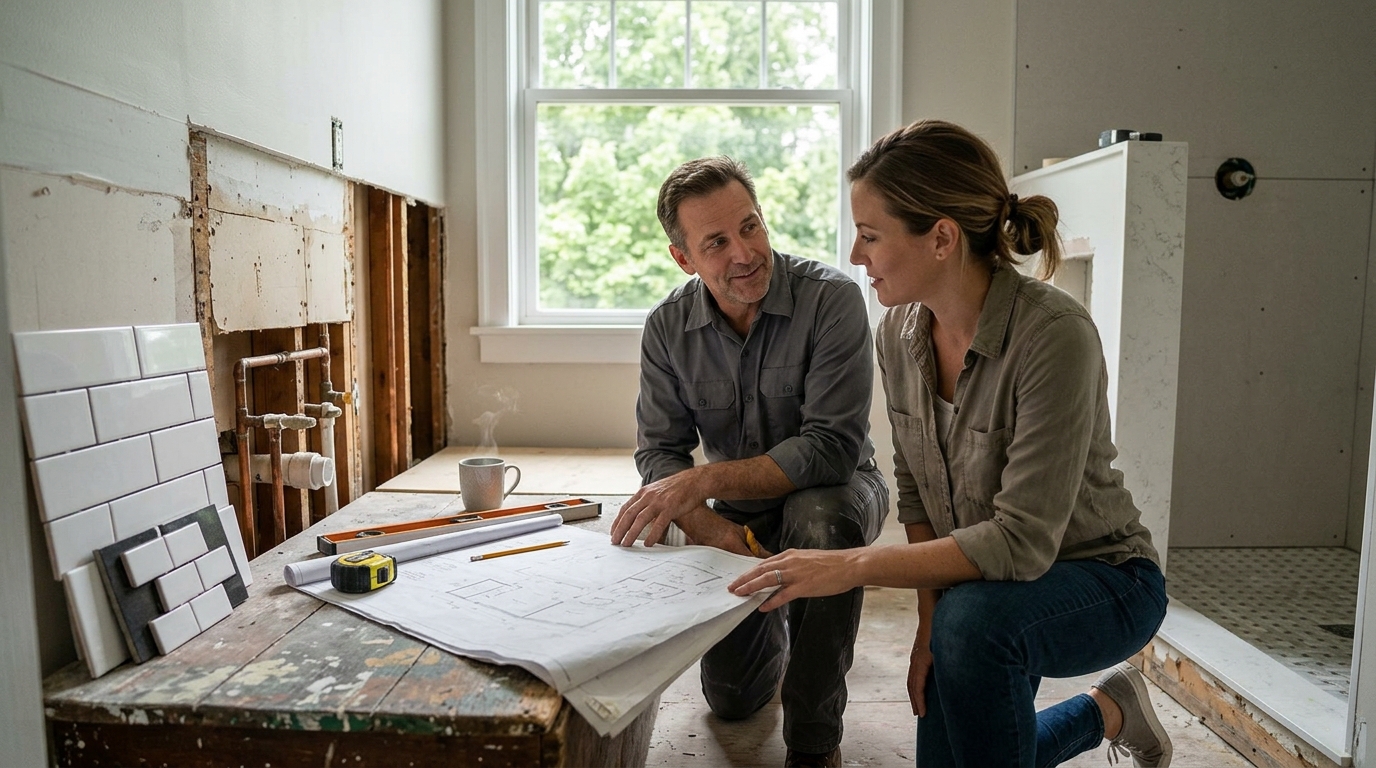
Jumping into demolition without a clear vision is the number one mistake homeowners make. Excitement to get started can cloud judgment, leading to mid-project changes that blow up your timeline and budget. Even small bathrooms involve complex systems like plumbing, electrical, ventilation, and waterproofing.
A bathroom renovation is a multi-trade project that requires coordination between plumbers, electricians, and tile installers before a single wall is opened. Spend time upfront developing a realistic plan that accounts for how you use the space daily, not just how you want it to look. At American Home Remodeling's bathroom remodeling service, we begin every project with a thorough design consultation to uncover hidden challenges before they become expensive surprises.
2. Cutting Corners on Waterproofing
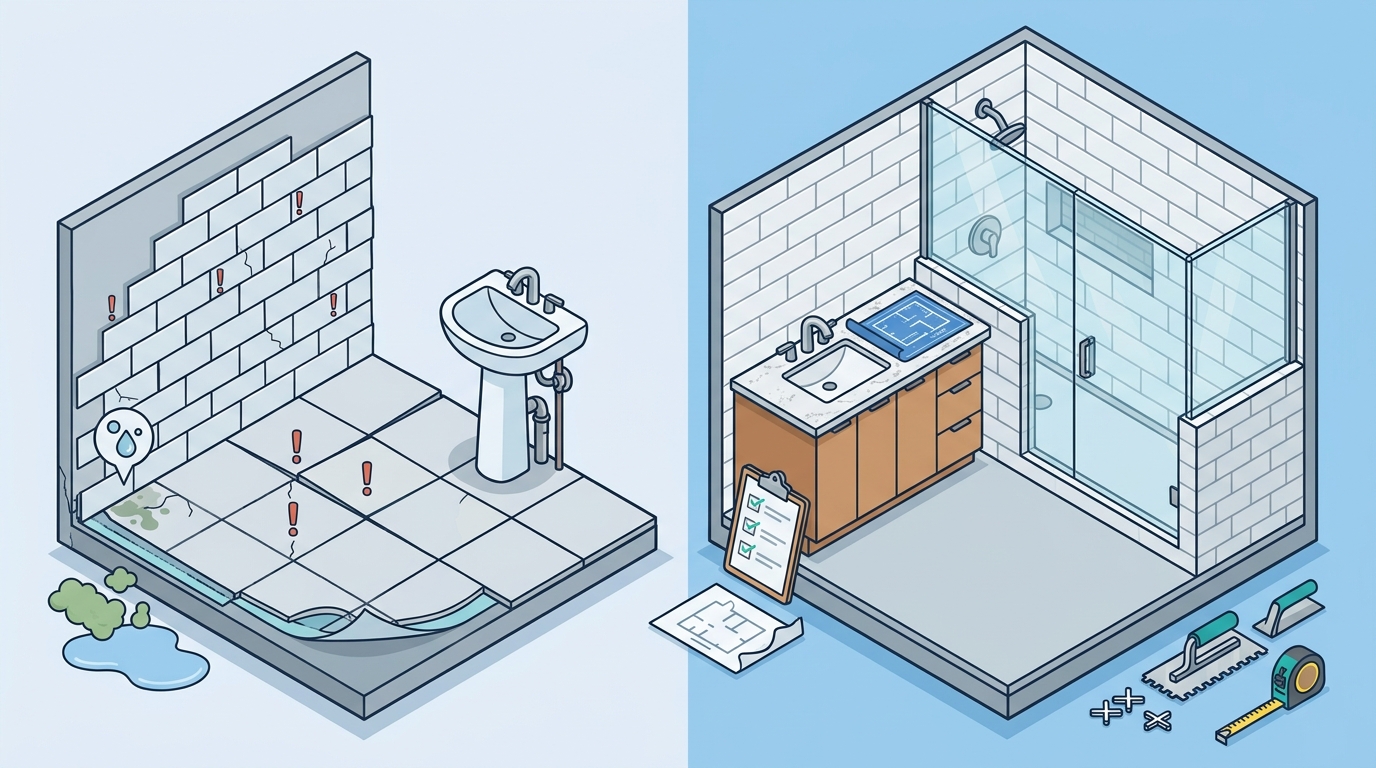
Waterproofing failure is the most expensive category of bathroom renovation mistakes. Moisture that penetrates behind walls creates ideal conditions for mold growth, which can begin within 24 to 48 hours of sustained dampness. The most dangerous aspect is its invisibility: mold colonies can flourish behind tile for years before producing visible signs.
Three Layers of Defense
Proper waterproofing requires a waterproof membrane on all wet-zone walls, cement board (never standard drywall) behind wet areas, and quality sealant at every joint. Skipping any of these layers can lead to repair bills ranging from $2,000 to $12,000 once demolition, mold remediation, and retiling are factored in. This is one area where hiring a licensed bathroom remodeling contractor pays for itself many times over.
3. Neglecting Ventilation
Ventilation is a critical yet often overlooked feature in bathroom design. Bathrooms naturally generate a high amount of moisture from showers, baths, and daily use. Without proper airflow, that moisture leads to mold, mildew, peeling paint, and premature damage to finishes.
What Proper Ventilation Looks Like
Install a high-quality exhaust fan sized appropriately for your bathroom's square footage. Make sure it vents to the outside of the house, not into the attic. A humidity-sensing switch or timer that keeps the fan running for at least 20 minutes after each shower is an inexpensive upgrade that prevents years of moisture damage. Windows help, but they are rarely sufficient on their own.
4. Getting the Lighting Wrong
Layered lighting is a design term that means combining ambient, task, and accent light sources in a single room. Installing only a single overhead fixture is the most common lighting mistake in bathroom renovations, creating harsh shadows at the vanity that make grooming tasks difficult.
Vanity Lighting Best Practices
Mount fixtures at eye level on both sides of the mirror, producing warm-white light between 2700K and 3000K. Wall sconces placed 60 to 66 inches above the floor eliminate undereye shadows that a ceiling-mounted fixture creates. Consider dimmers to adjust brightness depending on the time of day.
5. Ignoring Layout and Clearances
Layout mistakes are the most expensive errors to fix because they require tearing out and relocating plumbing, which costs $1,500 to $5,000 per fixture. A clearance violation is any instance where minimum required distances between fixtures are not met.
Minimum Clearance Requirements
Building codes typically require 15 inches from the center of a toilet to any side wall, 21 inches of clear space in front of the toilet (30 inches preferred), 30 inches of minimum vanity clearance, and 24 inches of door swing clearance. Working with an experienced remodeling team ensures these requirements are addressed in the design phase, not discovered during inspection.
6. Choosing the Wrong Materials
Using materials not rated for high-moisture environments is a surprisingly common error. Standard MDF vanities swell and delaminate within two to three years in humid bathrooms. Floor tile should have a coefficient of friction (COF) rating of 0.42 or higher when wet to prevent slips.
Stick with porcelain or ceramic tile, moisture-resistant drywall, sealed wood, and high-quality caulks. Always request COF test data from the tile supplier before purchasing floor tile. If you are also planning a kitchen remodeling project, coordinating material selections across both rooms creates a cohesive look and may qualify for volume pricing.
7. Overlooking Storage Needs
Many remodels focus on surface-level upgrades without solving long-term storage needs. A beautiful vanity is useless if it cannot hold daily essentials. Floating shelves may look nice, but open storage does not suit every lifestyle.
Incorporate smart storage early in the design phase: recessed medicine cabinets, drawer organizers inside the vanity, and built-in shower niches all keep clutter off countertops. A well-organized bathroom feels larger and supports a more relaxing daily routine.
What Bathroom Renovation Mistakes Actually Cost
The table below shows typical repair costs when common mistakes are discovered after a project is completed.
| Mistake | Typical Repair Cost | What's Involved |
|---|---|---|
| Waterproofing failure | $2,000 - $12,000 | Demolition, mold remediation, membrane, retiling |
| Mold remediation (behind walls) | $1,500 - $8,000 | Extent of contamination, structural repair |
| Fixture relocation (spacing issue) | $1,500 - $5,000 per fixture | Plumbing rough-in modification |
| Exhaust fan upgrade | $300 - $1,200 | New fan, ductwork, exterior vent |
| Floor tile replacement (slip hazard) | $1,500 - $4,000 | Full removal, reinstallation with rated tile |
| Vanity replacement (moisture damage) | $800 - $4,000 | Plumbing disconnect, new vanity, reinstall |
Key Takeaways
- Always start with a detailed plan and professional consultation before opening any walls.
- Waterproofing requires three layers of protection: membrane, cement board, and proper sealant.
- A quality exhaust fan vented to the exterior is non-negotiable for preventing mold.
- Layer ambient, task, and accent lighting to avoid harsh shadows at the vanity.
- Respect minimum clearance distances to avoid costly plumbing relocations later.
- Choose moisture-rated materials for every surface, including vanities and flooring.
- A midrange bathroom remodel returns approximately 80% of its cost at resale, the strongest interior ROI available.
Frequently Asked Questions
How long does a bathroom renovation take in New Jersey?
Most bathroom remodeling projects take 4 to 6 weeks to complete, though timelines vary based on scope, permit requirements, and material availability. A simple cosmetic refresh may take less time, while a full gut renovation with layout changes could extend to 8 weeks.
What is the biggest mistake homeowners make during a bathroom remodel?
Poor planning is the most common and most impactful mistake. Rushing into demolition without a detailed design, realistic budget, and contingency fund leads to mid-project changes, cost overruns, and disappointing results.
Do I need a permit for a bathroom renovation in New Jersey?
Yes. New Jersey requires permits for any work that involves plumbing changes, electrical modifications, or structural alterations. Cosmetic updates like painting or replacing hardware typically do not require a permit. Your contractor should handle the permitting process on your behalf.
How much should I budget for unexpected costs?
Industry professionals recommend setting aside 20% of your total budget for unexpected expenses. Older homes in particular often reveal hidden issues like subfloor rot, corroded pipes, or outdated wiring once demolition begins.
Is a bathroom remodel worth the investment?
A midrange bathroom remodel recoups about 80% of its cost at resale according to the 2025 Cost vs. Value Report. It is the highest-returning interior renovation project, making it a strong investment for both daily enjoyment and future resale value.
Should I attempt a DIY bathroom renovation?
The bathroom is not the best place to experiment with DIY. Plumbing mistakes, poor waterproofing, and faulty electrical work can lead to long-term problems and expensive repairs. Focus DIY efforts on painting or hardware installation and leave technical work to licensed professionals.
What bathroom features offer the best return on investment?
Walk-in showers, updated vanities with integrated storage, water-efficient fixtures, and layered lighting consistently deliver the strongest returns. Overly luxurious upgrades like spa-level features often return less than 55% of their cost.
How do I choose the right bathroom remodeling contractor?
Look for a licensed contractor with documented experience, strong customer reviews, and proper insurance coverage. American Home Remodeling holds a New Jersey contractor license with over 40 years of experience and stellar reviews on Angi, making the selection process straightforward for homeowners across the state.
Ready to Renovate Your Bathroom the Right Way?
Avoiding costly mistakes starts with choosing the right partner. With 40+ years of experience and over 20,000 satisfied customers across New Jersey, American Home Remodeling delivers expert craftsmanship at affordable prices. Contact us today for a free bathroom remodeling estimate and let our team turn your vision into reality without the headaches.