
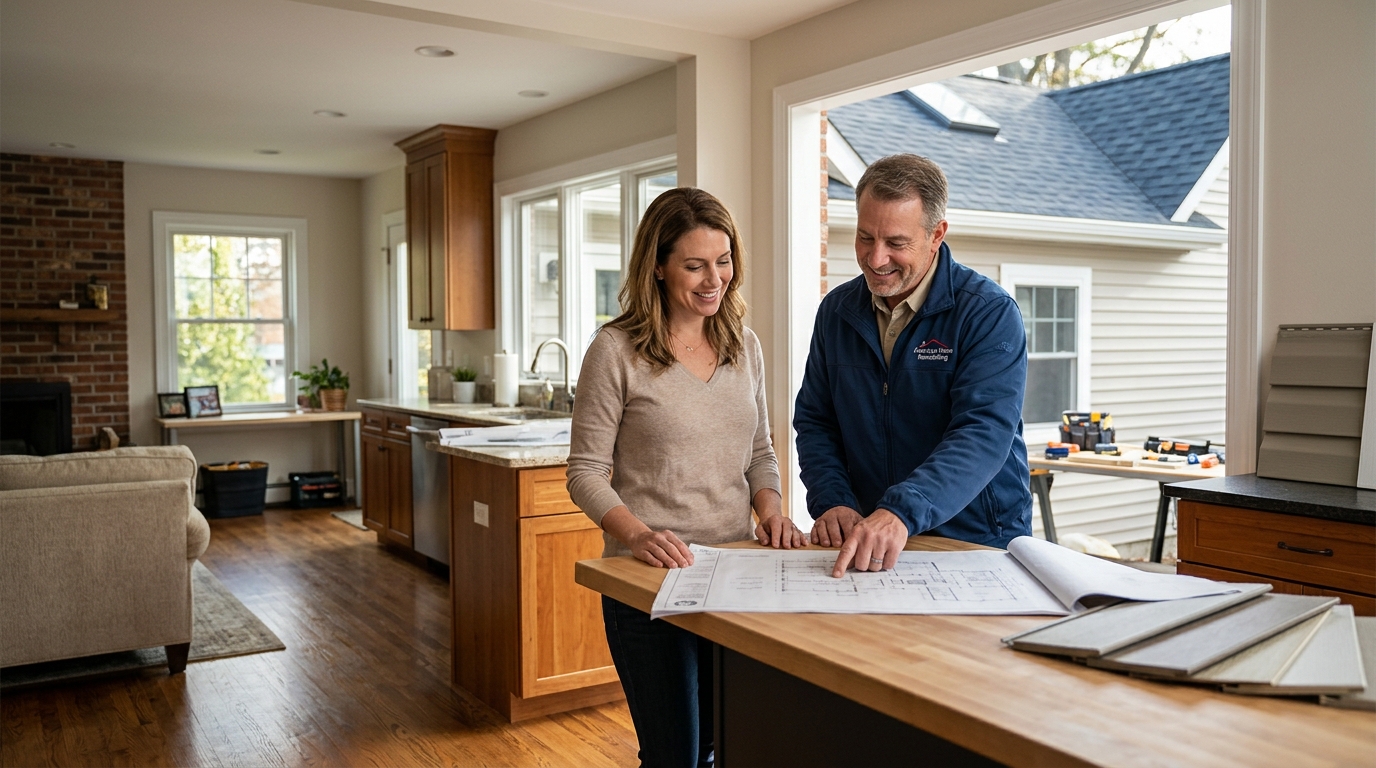
How to Find Reliable Home Remodeling Contractors in New Jersey
Hiring a home remodeling contractor is one of the biggest decisions a New Jersey homeowner can make. The wrong choice can lead to missed deadlines, budget overruns, and shoddy workmanship. The right choice turns your vision into a space you love coming home to every day. With over 1,400 remodeling professionals listed on platforms like Houzz alone, narrowing the field can feel overwhelming. This guide walks you through a proven, step-by-step process for vetting contractors, comparing bids, and protecting yourself legally so your next renovation goes smoothly from start to finish.
1. Define Your Project Scope and Budget
Before you contact a single contractor, get clear on what you want done. Are you planning a full kitchen remodel, a bathroom renovation, or exterior work like roofing and siding? Writing down every detail helps you communicate expectations and compare apples-to-apples quotes later.
A project scope is a written outline of the work to be performed, materials desired, and target completion date. Setting a realistic budget range upfront also prevents wasted time interviewing contractors who specialize in a different price tier.
2. Gather Referrals and Research Online
Word of mouth remains one of the most effective ways to find a trustworthy contractor. Ask friends, family members, neighbors, and coworkers who have recently completed renovations in your area. Personal referrals often surface contractors whose reliability has already been tested.
Supplement personal recommendations with online research. Platforms such as Houzz, Google Business Profile, and the Angi directory let you filter by location, specialty, and rating. Look for companies with decades of experience and thousands of completed projects, indicators that the business has weathered market cycles and earned repeat clients.
3. Verify Licensing, Insurance, and Registration
A home improvement contractor business (HICB) is any person or company involved in repairing, renovating, remodeling, or constructing residential properties. In New Jersey, all HICBs must register with the NJ Division of Consumer Affairs. You can search the state database to confirm a contractor's active registration status before signing anything.
Beyond state registration, verify that the contractor carries general liability insurance and workers' compensation coverage. Ask for certificates of insurance and confirm they are current. A contractor who is licensed, insured, and registered protects you from liability if an accident occurs on your property.
4. Request and Compare Multiple Bids
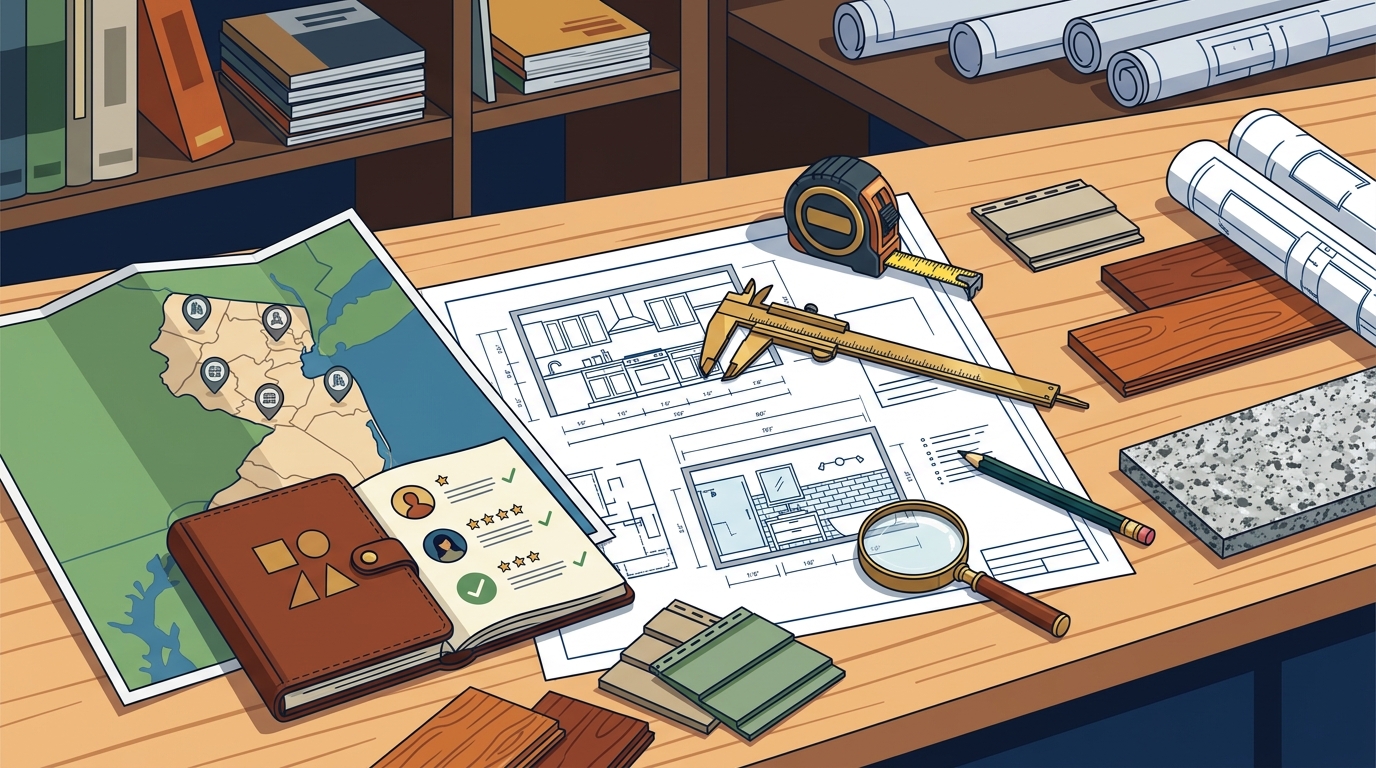
Getting at least three detailed estimates is standard practice. Each estimate should break down costs for materials, labor, permits, and any additional fees. The table below shows what to compare across bids:
| Bid Component | What to Look For | Red Flag |
|---|---|---|
| Materials | Brand names, grades, quantities | Vague "materials included" line |
| Labor | Crew size, hours estimated | No labor breakdown at all |
| Timeline | Start date, milestones, completion date | No timeline provided |
| Permits | Who pulls them, cost included | Contractor suggests skipping permits |
| Warranty | Workmanship and material warranty terms | No written warranty |
| Payment Schedule | Milestone-based payments | Full payment demanded upfront |
The lowest bid is not always the best bid. A suspiciously low number may indicate the contractor plans to cut corners or hit you with change orders later.
5. Check Portfolios, Reviews, and References
A portfolio is a curated collection of completed projects that demonstrates a contractor's design style and quality of workmanship. Ask every finalist to share before-and-after photos of projects similar to yours. Read verified customer reviews and pay attention to how the company handles negative feedback.
Ask Past Clients These Questions
- Was the project completed on time and on budget?
- How did the contractor handle unexpected issues?
- Would you hire them again?
Companies like American Home Remodeling, with over 40 years of experience and more than 20,000 satisfied customers across New Jersey, make this step easy by maintaining transparent review pages and detailed project galleries.
6. Protect Yourself with a Solid Contract
New Jersey law requires written contracts for home improvement projects costing more than $500. The contract must include the contractor's legal name and business address, a start date, a completion date, a description of the work, and the total price. Never begin a project on a handshake alone.
Key Contract Clauses
Make sure your contract spells out payment schedules tied to milestones, a change-order process, warranty terms, and dispute resolution procedures. Also request a lien waiver, which is a receipt confirming that workers and material suppliers will not seek additional payment from you once the contractor has been paid.
New Jersey consumers also have the right to cancel a signed contract for any reason before midnight of the third business day after receiving a copy.
7. Red Flags to Watch For
Even the most diligent search can surface unqualified contractors. Watch for these warning signs:
- No physical address or office: Legitimate contractors have a verifiable business location.
- Pressure to decide immediately: Reputable firms give you time to compare.
- Cash-only payments with no receipt: This makes disputes nearly impossible to resolve.
- No written estimate or contract: A professional contractor always documents the scope of work.
- Unwillingness to pull permits: Skipping permits can result in fines and void your homeowner's insurance.
If something feels off, trust your instincts and keep looking. There are plenty of reputable contractors in New Jersey, including specialists in roofing, siding, and basement remodeling.
Key Takeaways
- Define your project scope and budget before contacting any contractor.
- Collect referrals from trusted friends and supplement with online research on platforms like Houzz and Angi.
- Confirm every contractor is registered with the NJ Division of Consumer Affairs, licensed, and insured.
- Request at least three itemized bids and compare materials, labor, timelines, and warranty terms side by side.
- Review portfolios and speak directly with past clients to assess quality and reliability.
- Insist on a written contract that meets New Jersey's legal requirements, including lien waivers.
- Walk away from contractors who pressure you, refuse to pull permits, or demand full payment upfront.
Frequently Asked Questions
What licenses do NJ home remodeling contractors need?
All home improvement contractor businesses in New Jersey must register with the NJ Division of Consumer Affairs. Certain trades, such as electrical and plumbing, require separate state licenses. Always ask for proof of registration and any applicable trade licenses before hiring.
How many estimates should I get before hiring a contractor?
Industry best practice is to obtain at least three detailed written estimates. This allows you to compare pricing, timelines, and included services so you can identify the best overall value rather than simply the lowest price.
How do I verify a contractor's insurance in New Jersey?
Ask the contractor for a certificate of insurance (COI) that lists you as the certificate holder. Call the insurance company directly to confirm the policy is active and covers general liability and workers' compensation.
What should a home remodeling contract include?
Under NJ law, contracts over $500 must include the contractor's legal name and address, project start and completion dates, a detailed description of work, and the total price. You should also ensure it covers payment schedules, warranty terms, and change-order procedures.
Can I cancel a home improvement contract in New Jersey?
Yes. New Jersey law allows consumers to cancel a signed home improvement contract for any reason before midnight of the third business day after receiving a copy of the contract. Cancellation must be in writing and delivered via certified mail or in person.
How long does a typical home remodel take in NJ?
Timelines vary widely by project type. A bathroom remodel may take 3 to 6 weeks, while a full kitchen renovation often runs 8 to 12 weeks. Larger projects like home additions can take several months. Your contractor should provide a clear timeline in the contract.
Why should I choose a local NJ remodeling contractor?
Local contractors understand New Jersey building codes, permit requirements, and climate considerations. They also have established relationships with local suppliers and inspectors, which can streamline your project and reduce costs. A company like American Home Remodeling brings over four decades of NJ-specific expertise to every project.
Get Started with a Free Estimate
Ready to transform your home with a contractor you can trust? American Home Remodeling has served over 20,000 New Jersey homeowners with expert craftsmanship in roofing, siding, kitchens, bathrooms, and more. Request your free estimate today and see why families across the Garden State have trusted us for over 40 years.