
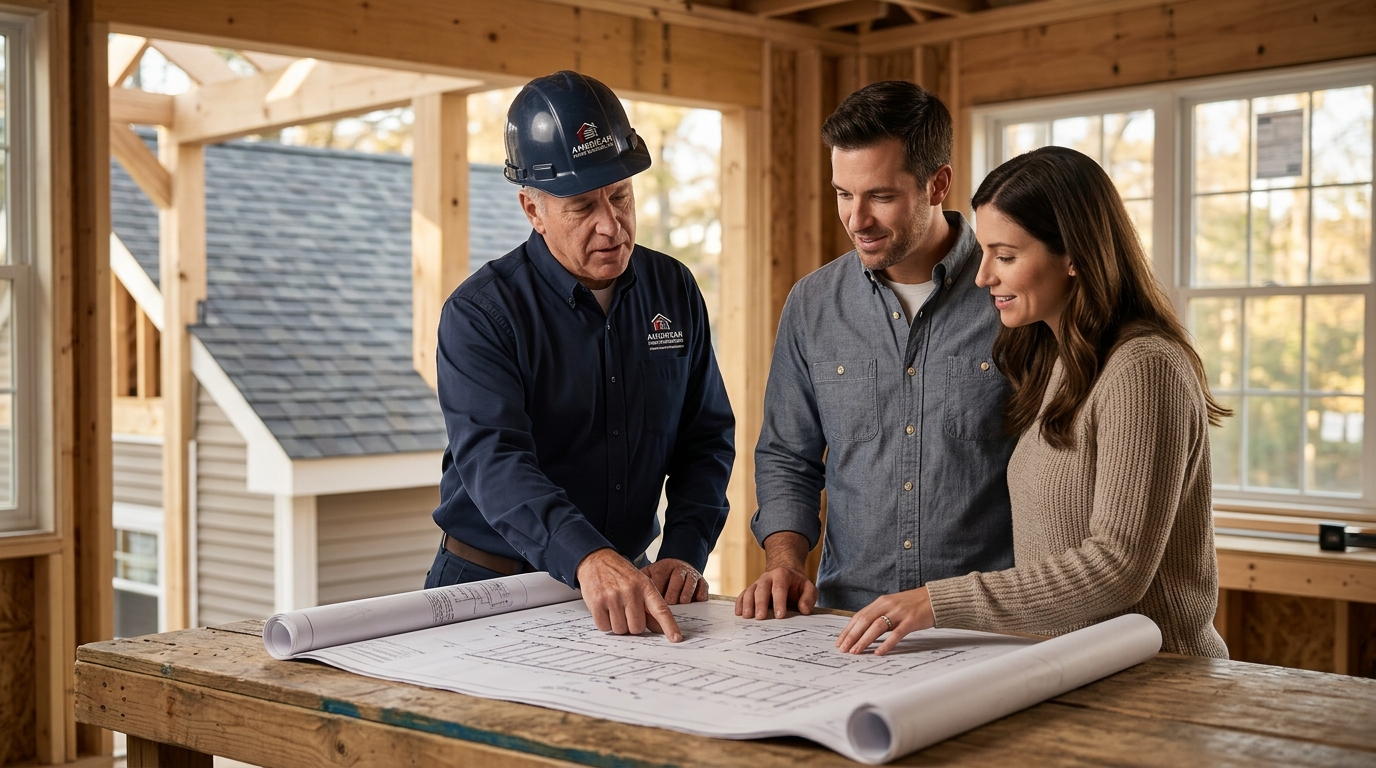
Homeowners frequently underestimate how quickly a renovation budget can spiral when working with unvetted labor. Industry data shows that nearly forty percent of renovation projects exceed their initial estimates due to poor planning and unlicensed labor. This financial risk directly impacts property value and long-term structural integrity. Understanding the operational differences between established renovation firms and budget-focused operators is essential for protecting your investment. You must evaluate licensing, material sourcing, and project management protocols before signing any agreement. The following analysis breaks down the exact operational markers that distinguish premium renovation services from low-cost alternatives. (Expert Home Remodeling Roofing)
Understanding the Core Differences
Licensing and Insurance Requirements
Professional contractors maintain active state licensing and comprehensive liability coverage. This legal framework protects homeowners from financial exposure during unexpected site incidents. Cheap operators frequently skip these mandatory compliance steps to lower their overhead costs. You should always verify current registration status before granting site access.
General contracting is the systematic coordination of labor, materials, and permits required to execute a renovation project. Established firms like American Home Remodeling maintain decades of verified compliance across New Jersey municipalities. They navigate local building codes without delaying your project timeline. Unlicensed operators often lack this regulatory knowledge, which leads to costly permit violations.
Material Quality and Sourcing Standards
Supply Chain Transparency
Premium renovation companies source industry-grade materials through authorized distributor networks. This procurement strategy guarantees manufacturer warranties and consistent product specifications. Budget contractors frequently substitute high-end components with inferior alternatives to preserve their profit margins. You will notice visible differences in durability and finish quality over time.
Quality assurance is the systematic verification of materials and workmanship against established industry standards. Top-tier firms implement strict quality checks during every construction phase. They reject substandard lumber, compromised roofing membranes, and non-compliant fasteners. Cheap operators rarely enforce these internal controls, which increases the likelihood of premature system failures.
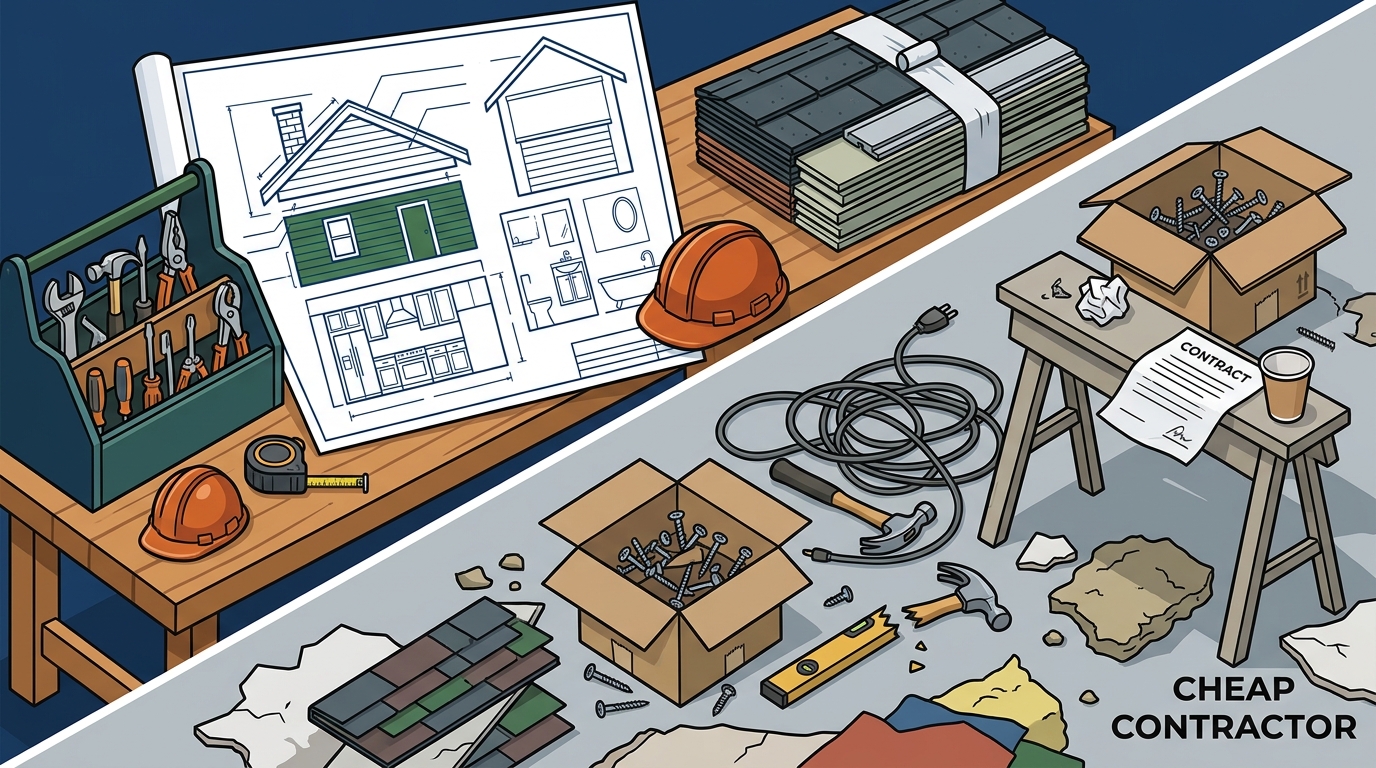
Project Management and Communication Protocols
Timeline Adherence and Milestone Tracking
Established renovation firms utilize dedicated project managers who track daily progress against a master schedule. This organizational structure prevents workflow bottlenecks and keeps tradespeople synchronized. Budget operators typically rely on informal coordination, which frequently causes scheduling conflicts and extended project durations. You deserve a transparent communication channel that updates you on every milestone.
Construction management is the disciplined planning, coordination, and control of resources to complete a renovation project on time and within budget. Professional teams implement digital tracking tools and weekly progress reports. They proactively address supply chain delays and weather interruptions. Unmanaged projects often experience cascading delays that push completion dates months into the future. Market analysis indicates that average renovation delays cost property owners over twelve thousand dollars annually.
Warranty Coverage and Post-Completion Support
Reputable contractors stand behind their work with comprehensive labor and material warranties. This financial guarantee demonstrates confidence in their installation methods and craftsmanship standards. Budget operators frequently disappear after final payment, leaving homeowners to cover repair costs. You should always review warranty terms before signing a contract.
Post-construction support is the ongoing maintenance and repair assistance provided after project completion. Established firms maintain dedicated service departments that address minor defects without charging additional fees. They schedule routine inspections to identify potential issues before they escalate. Cheap contractors rarely offer this level of long-term accountability, which shifts all future maintenance costs directly to the property owner. Environmental guidelines require proper moisture management to prevent structural degradation over time.
Pricing Models and Hidden Cost Avoidance
Fixed Bid Versus Hourly Estimates
Professional companies provide detailed fixed-bid proposals that outline every line item before construction begins. This pricing structure eliminates surprise charges and protects your initial budget allocation. Budget operators frequently use low-ball estimates to secure contracts, then add change orders for every minor deviation. You must demand complete transparency regarding labor rates and material markups.
Transparent pricing is the clear disclosure of all labor, material, and permit costs before project execution. Established firms like American Home Remodeling break down costs for roofing, siding, kitchen upgrades, and bathroom renovations. They explain exactly what each line item covers and why specific materials are recommended. Untransparent operators hide fees within vague line items, which inflates your final invoice significantly. Financial reports confirm that hidden fees increase final project costs by nearly thirty percent.
Professional vs Cheap Contractor Comparison
| Operational Factor | Professional Remodeling Company | Budget-Focused Contractor |
|---|---|---|
| Licensing and Insurance | Full state compliance and comprehensive liability coverage | Often unregistered or minimally insured |
| Material Sourcing | Authorized distributor networks with full manufacturer warranties | Substitute components to maximize profit margins |
| Project Management | Dedicated managers with digital tracking and weekly reports | Informal coordination leading to scheduling conflicts |
| Warranty Coverage | Comprehensive labor and material guarantees with service departments | Limited or non-existent post-completion support |
| Pricing Structure | Detailed fixed-bid proposals with zero hidden fees | Low-ball estimates with frequent change orders |
Key Takeaways
- Professional contractors maintain active state licensing and comprehensive liability coverage to protect homeowners from financial exposure.
- Established firms source industry-grade materials through authorized distributor networks, guaranteeing manufacturer warranties and consistent specifications.
- Dedicated project managers utilize digital tracking tools and weekly progress reports to prevent workflow bottlenecks.
- Reputable companies stand behind their work with comprehensive labor and material warranties that cover post-completion defects.
- Detailed fixed-bid proposals eliminate surprise charges and protect your initial budget allocation throughout the renovation process.
- Transparent pricing structures clearly disclose all labor, material, and permit costs before construction begins.
Frequently Asked Questions
How do I verify a contractor's licensing status in New Jersey?
You can verify licensing status through the New Jersey Division of Consumer Affairs website. This official database lists all registered home improvement contractors and their current compliance status. Always request a copy of their registration number before signing any agreement.
What specific insurance coverage should I require before work begins?
You should require both general liability insurance and workers compensation coverage. General liability protects your property from accidental damage during construction. Workers compensation covers any injuries that occur on your job site, shielding you from potential lawsuits.
Why do budget contractors frequently use change orders after signing?
Budget contractors often submit intentionally low estimates to secure contracts. They then add change orders for every minor deviation from their initial scope. This pricing strategy inflates your final invoice well beyond your original budget expectations.
How long should a comprehensive home warranty last?
A comprehensive home warranty should cover at least one full year of post-completion defects. Established firms often extend labor warranties to two or three years for major structural renovations. You should always review the specific warranty duration before signing a contract.
What documentation should I expect from a professional remodeling company?
You should expect detailed architectural drawings, material specification sheets, and a comprehensive project schedule. Professional firms provide digital copies of all permits, inspection reports, and final lien waivers. This documentation ensures complete transparency throughout your renovation journey.
Can I switch contractors mid-project if I discover poor workmanship?
You can terminate a contract if a contractor consistently violates safety protocols or ignores building codes. You must review your original agreement for termination clauses and potential financial penalties. Professional companies typically include clear exit strategies that protect both parties.
Next Steps for Your New Jersey Renovation
Protect your property investment by partnering with a licensed, award-winning renovation firm. Contact American Home Remodeling today to schedule a comprehensive property assessment. Our team delivers premium roofing, siding, kitchen, and bathroom renovations across Essex and Union counties. Call 973-374-6700 or visit our about page to review our extensive project portfolio. Secure your renovation timeline and budget before the next construction season begins.