
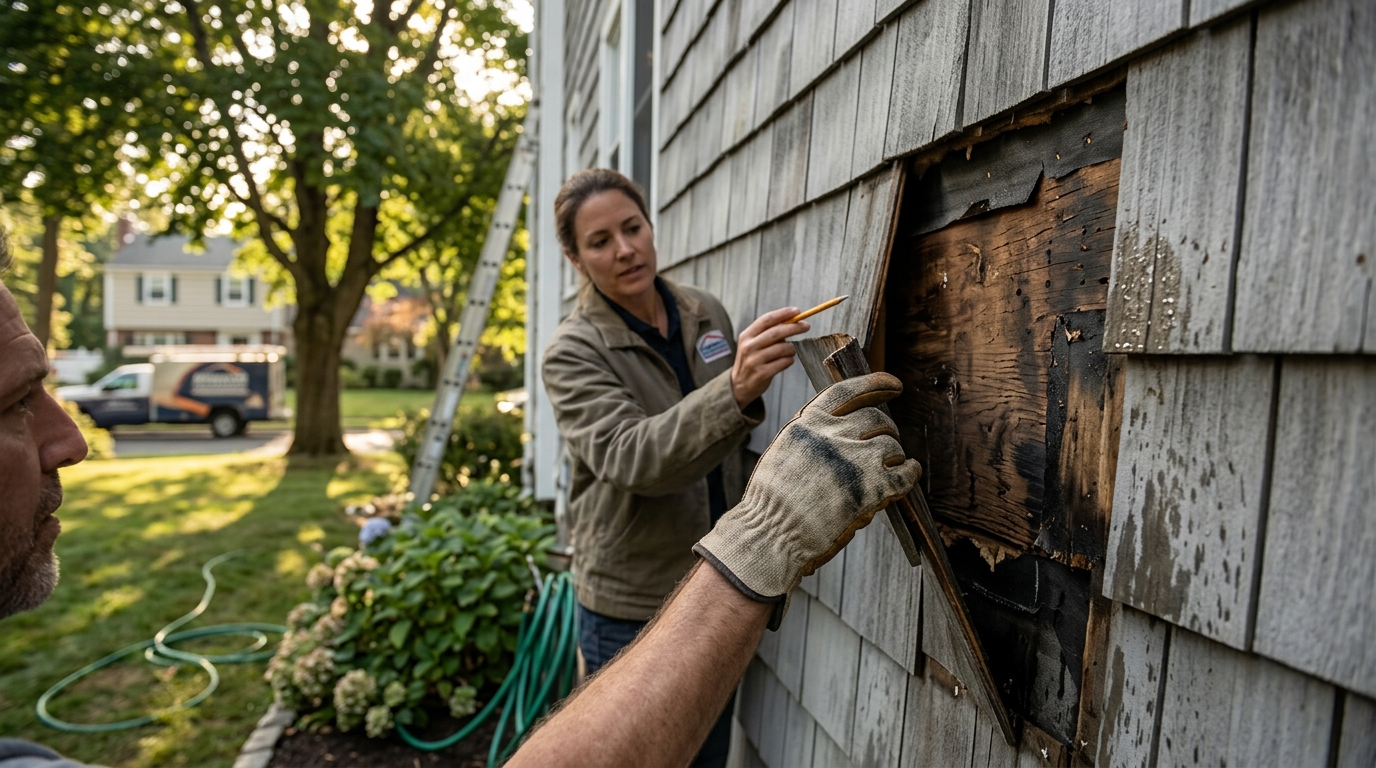
Before replacing old house siding, you must inspect the underlying structural framing, evaluate insulation levels, and test for hazardous materials like asbestos or lead. This guide covers the critical pre-installation checks, material selection criteria, and weather resistive barrier requirements for New Jersey homeowners. American Home Remodeling provides the professional expertise needed to navigate these complex building science requirements safely and effectively.
Underlying Structural Damage
Insulation Assessment
Replacing siding is the ideal time to evaluate the thermal performance of your home. Insulation assessment is the process of measuring the R-value and continuity of the existing thermal barrier within the wall assembly. Many older New Jersey homes have minimal or no insulation in the exterior walls. During the siding removal process, contractors can check for gaps, settling, or missing batts. Understanding the current state of the insulation helps determine if an upgrade is necessary. This assessment directly impacts your energy bills and indoor comfort levels. It is a critical step in modernizing an older home for 2026 energy standards. For additional details, review the Customer Reviews for Home.
Hazardous Materials Testing
Pre-1980 homes in New Jersey frequently contain hazardous materials that require special handling. Hazardous materials testing is the laboratory analysis of building components to identify the presence of toxic substances like asbestos or lead. Asbestos was commonly used in siding, shingles, and sealants until the 1980s. If your home was built before 1980, you must assume asbestos is present until proven otherwise. Testing involves collecting small samples and sending them to a certified laboratory. The results determine the safety protocols required for removal and disposal. Proper testing protects your family, your workers, and the environment from harmful exposure. For additional details, review the Essential Tips for Successful.
Siding Material Selection
Hazardous Materials Assessment
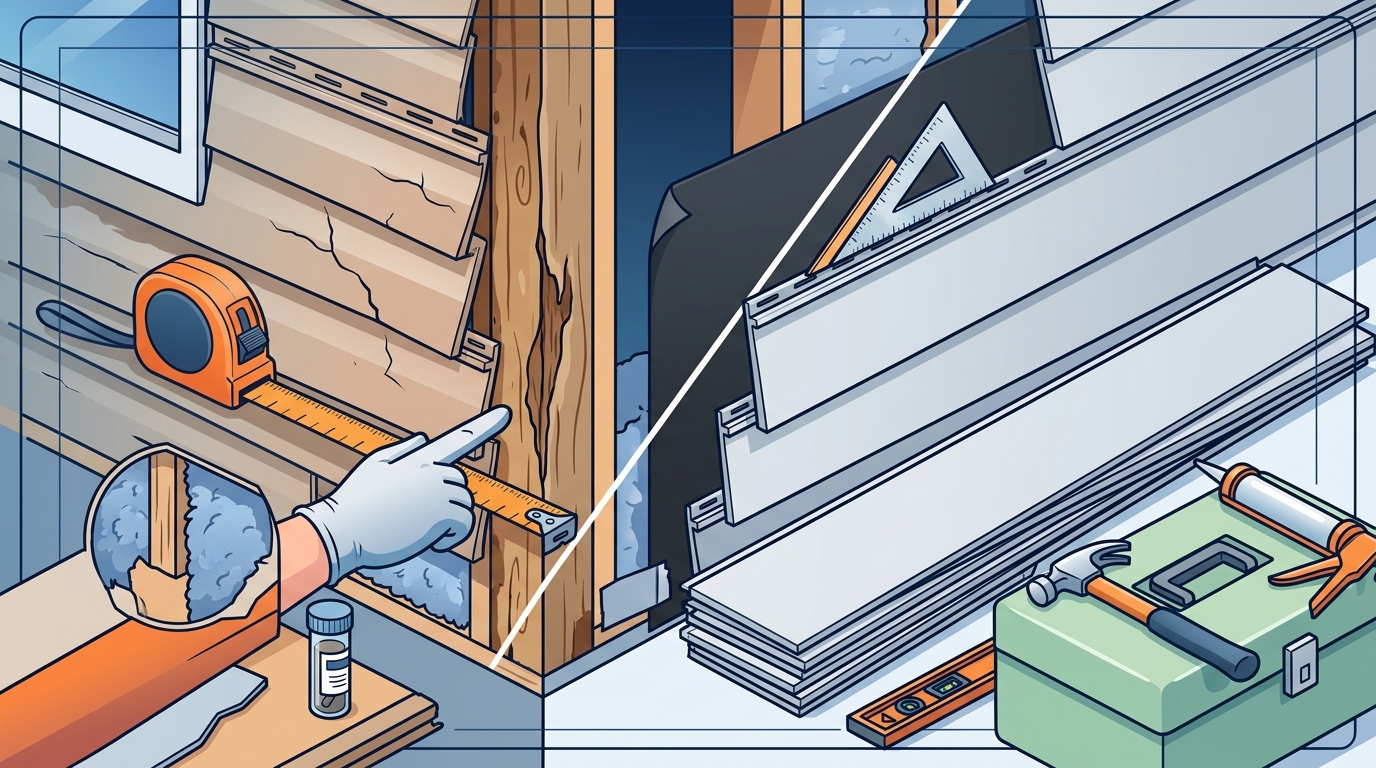
Once testing results are received, a comprehensive assessment of the hazardous materials is required. Hazardous materials assessment is the evaluation of the extent and condition of toxic materials to plan for safe abatement. This step goes beyond simple testing. It involves determining if the materials are friable (easily crumbled) or non-friable. Friable materials pose a higher risk of airborne exposure. The assessment dictates whether the materials can be removed by standard contractors or if a licensed abatement specialist is required. This phase ensures compliance with New Jersey Department of Environmental Protection regulations. It is a non-negotiable step for pre-1980 structures.
Structural Framing Inspection
The framing of your home provides the skeleton for the entire structure. Structural framing inspection is the detailed examination of the studs, plates, and bracing to ensure they meet current building codes. During a siding replacement, the wall cavity is fully exposed. This allows for a thorough check of the framing for straightness, spacing, and integrity. Older homes may have irregular stud spacing or missing blocking. Correcting these issues during the siding project is more cost-effective than addressing them later. A solid frame ensures that the new siding is installed on a stable and level surface.
Weather Resistive Barriers
Modern building science emphasizes the importance of managing moisture within the wall assembly. Weather resistive barriers are materials installed behind the siding to prevent liquid water from entering the wall while allowing moisture vapor to escape. In New Jersey, a high-performance house wrap or fluid-applied membrane is essential. This barrier protects the sheathing and framing from rain and snow. It also acts as an air barrier, reducing energy loss. Installing a quality weather resistive barrier is a critical step in preventing mold and rot. It is the first line of defense against the elements.
Insulation Upgrades
Material Selection
Finalizing the material selection requires considering the entire wall assembly. Material selection is the final decision on the exterior cladding based on the prepared substrate and local climate. The chosen material must be compatible with the weather resistive barrier and insulation system. For example, some siding types require specific fastening methods or flashing details. The material should also complement the architectural style of your home. A well-chosen material enhances curb appeal and property value. It should be durable enough to withstand New Jersey weather for decades.
Key Takeaways
- Always inspect the structural framing and sheathing for rot or damage before installing new siding.
- Test for hazardous materials like asbestos and lead in homes built before 1980.
- Assess the existing insulation to determine if an upgrade is necessary for energy efficiency.
- Install a high-quality weather resistive barrier to protect the wall assembly from moisture.
- Choose siding materials that are compatible with your local climate and architectural style.
- Consider upgrading to continuous insulation to eliminate thermal bridges and reduce energy costs.
- Hire a licensed and experienced contractor to ensure compliance with local building codes.
Frequently Asked Questions
Do I need to test for asbestos before replacing siding?
If your home was built before 1980, you should assume asbestos is present and have it tested. Asbestos was commonly used in siding and sealants during that era. Testing is required to determine the safe removal and disposal methods.
Can I install new siding over old siding?
In some cases, you can install new siding over old siding, but it is not always recommended. This method adds weight to the structure and can trap moisture. It is best to remove the old siding to inspect the underlying structure and install a proper weather resistive barrier.
What is the best siding material for New Jersey?
Fiber cement and high-quality vinyl are popular choices for New Jersey. Fiber cement is durable and fire-resistant, while vinyl is low maintenance. The best choice depends on your budget, aesthetic preferences, and maintenance willingness.
How much does siding replacement cost in New Jersey?
The cost of siding replacement varies based on the size of the home, the material chosen, and the extent of underlying repairs. It is best to get multiple quotes from licensed contractors to get an accurate estimate.
Do I need a permit to replace siding in New Jersey?
Yes, you typically need a permit to replace siding in New Jersey. The permit ensures that the work meets local building codes and safety standards. Your contractor should handle the permit process for you.
How long does a siding replacement project take?
A typical siding replacement project takes one to two weeks, depending on the size of the home and the complexity of the work. Weather conditions can also affect the timeline.
Should I upgrade insulation when replacing siding?
Yes, upgrading insulation is a smart investment when replacing siding. It improves energy efficiency, reduces heating and cooling costs, and increases indoor comfort. It is a one-time cost that pays for itself over time.
Conclusion
Replacing old house siding is a significant investment that requires careful planning and execution. By following the steps outlined in this guide, you can ensure that your new siding is installed on a sound and efficient foundation. From inspecting the structural framing to testing for hazardous materials, each step is critical to the long-term success of your project. American Home Remodeling has over 40 years of experience serving New Jersey homeowners. We provide the expertise and craftsmanship needed to transform your home safely and effectively. to schedule a consultation and start your siding replacement project today.