
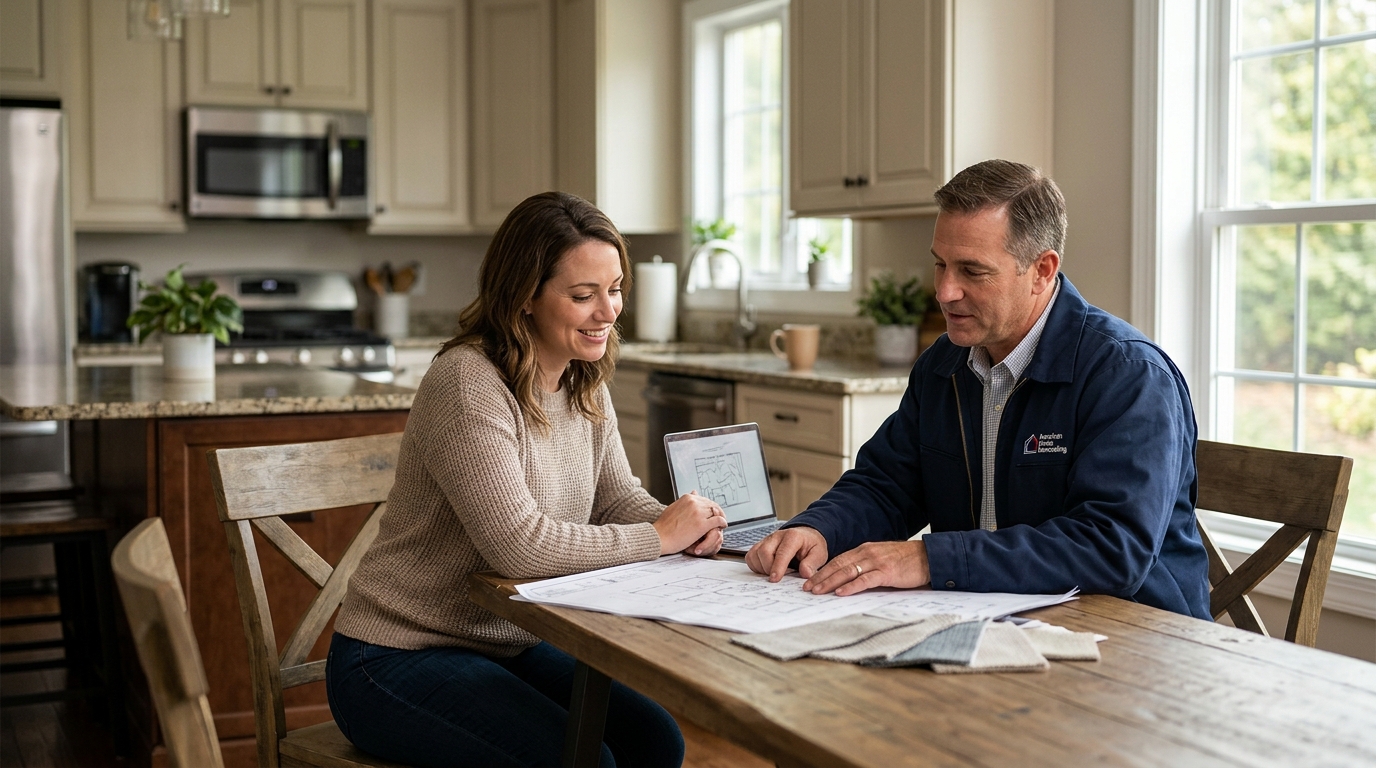
Finding the right partner for your home renovation is critical because the average homeowner spends over $40,000 on major remodeling projects, with costs fluctuating based on regional labor rates and material availability according to national housing data. A single misstep in contractor selection can lead to budget overruns, delayed timelines, and structural defects that compromise your property's value. This guide outlines the exact vetting process used by industry experts to ensure your New Jersey home improvement project is completed safely, on time, and within budget.
Verify Credentials and Insurance
The first step in selecting a reliable contractor is confirming their legal standing and financial protection. In New Jersey, general contractors must be registered with the state to perform work over a specific dollar amount. This registration ensures they have met basic competency standards and financial responsibility requirements.
Insurance is equally vital. You must request a Certificate of Insurance (COI) that includes both general liability and workers' compensation coverage. General liability protects your property from accidental damage during the project. Workers' compensation covers medical costs if a worker is injured on your site. Without this coverage, you could be held liable for significant medical bills and legal fees. Always verify that these policies are current and active before signing any agreement.
Additionally, check for local licensing in the counties where you reside. For example, Essex County kitchen and bath projects often require specific municipal permits that only licensed professionals can pull. This local knowledge prevents costly delays and ensures compliance with regional building codes.
Evaluate Local Experience and Specialization
Not all contractors are created equal. Some specialize in structural work, while others focus on interior finishes. It is essential to match the contractor's expertise to your specific project scope. For instance, a kitchen remodel requires different skills than a roofing replacement. Look for a company that has a proven track record in your specific area of need.
Local experience is a significant advantage. Contractors who have worked in New Jersey for decades understand the unique challenges of the region, including soil conditions, weather patterns, and historical home structures. American Home Remodeling has served the Tri-State area for over 40 years, providing deep insight into local regulatory environments and supply chain dynamics. This longevity often correlates with stability and reliability.
Consider the scope of services offered. A full-service contractor can manage roofing, siding, and interior remodeling under one roof. This coordination reduces the risk of scheduling conflicts and ensures a cohesive aesthetic. For example, roofing services and siding installation often overlap, making a unified contractor the most efficient choice for exterior upgrades.
Compare Detailed Proposals
A reliable contractor provides a detailed, written proposal that breaks down every cost. Avoid contractors who offer only a vague estimate or a single lump sum. A comprehensive proposal should include line items for materials, labor, permits, disposal fees, and profit margins. This transparency allows you to compare bids accurately and identify any hidden costs.
Pay close attention to the quality of materials specified. Two contractors might quote the same price, but one may use premium-grade lumber while the other uses standard grade. The difference in durability and lifespan can be substantial. Ensure the proposal specifies brands, model numbers, and grades for all major components.
Timeline clarity is also crucial. The proposal should outline the start date, estimated completion date, and key milestones. This schedule helps you plan your life around the disruption and holds the contractor accountable for timely progress. Kitchen remodeling projects, for example, often have strict deadlines due to the complexity of plumbing and electrical work.
Check References and Past Work
Never skip the reference check. Ask for at least three recent references for projects similar to yours. Contact these past clients and ask specific questions about their experience. Did the contractor stay on budget? Did they communicate effectively? Were there any unexpected issues?
Reviewing past work is equally important. If possible, visit a completed project or a current job site. Observe the cleanliness of the workspace, the organization of materials, and the professionalism of the crew. A well-managed site reflects a well-managed project. You can also explore customer reviews to gauge overall satisfaction and identify common themes in feedback.
Look for consistency in quality. A contractor who delivers excellent results across multiple projects is more reliable than one with sporadic success. Check if they have received any industry awards or recognitions, such as the Super Service Award, which indicates a commitment to customer satisfaction.

Assess Communication and Professionalism
Communication is the backbone of a successful renovation. From the initial consultation to the final walkthrough, your contractor should be responsive, clear, and proactive. Note how quickly they return calls and emails during the bidding phase. If they are difficult to reach now, they will likely be worse during the project.
Establish a preferred method of communication early on. Some homeowners prefer daily updates, while others want weekly summaries. A professional contractor will adapt to your preferences and keep you informed of any changes or delays. This transparency builds trust and reduces anxiety throughout the process.
Professionalism extends beyond communication. It includes punctuality, respect for your property, and adherence to safety protocols. A contractor who respects your home will treat it with care, protecting your floors, furniture, and landscaping. This attention to detail is a hallmark of a high-quality service provider.
Understand Payment Terms
Payment terms are a critical indicator of a contractor's financial health and reliability. Be wary of contractors who demand full payment upfront. A standard payment schedule typically involves a deposit to secure the schedule, progress payments tied to milestones, and a final payment upon completion and inspection.
Ensure the contract clearly states the payment schedule and the conditions for each payment. This structure protects you from paying for work that has not yet been performed. It also incentivizes the contractor to complete the work to your satisfaction before receiving the final check.
Additionally, verify that the contractor will provide lien waivers upon receipt of each payment. A lien waiver protects you from subcontractors or suppliers placing a claim on your property if the contractor fails to pay them. This is a standard legal protection in the construction industry that you should never overlook.
Key Takeaways
- Verify Licensing: Ensure your contractor is registered with the state and holds valid local licenses for your county.
- Check Insurance: Require a current Certificate of Insurance for both liability and workers' compensation.
- Detailed Proposals: Compare line-item bids to understand exactly what you are paying for and the quality of materials.
- Local Experience: Prioritize contractors with decades of experience in New Jersey to navigate local codes effectively.
- References: Contact past clients and review customer reviews to gauge reliability.
- Communication: Assess responsiveness and clarity during the bidding phase as a predictor of project management.
- Payment Structure: Avoid full upfront payments and insist on milestone-based payments with lien waivers.
Frequently Asked Questions
How long does it take to choose a contractor?
The vetting process typically takes two to four weeks. This allows time for consultations, proposal reviews, reference checks, and contract negotiations. Rushing this process can lead to poor decisions.
What is the standard deposit amount?
A standard deposit is usually between 10% and 30% of the total project cost. This covers initial materials and scheduling. Avoid contractors who ask for more than 50% upfront.
Do I need a permit for my renovation?
Most structural, electrical, and plumbing work requires a permit. Your contractor should handle this process, but you must verify that permits are pulled before work begins to avoid fines.
How do I verify a contractor's insurance?
Request a Certificate of Insurance directly from the contractor's insurance provider. Do not rely solely on the document provided by the contractor, as it can be forged. Verify the policy dates and coverage limits.
What should I do if the contractor goes over budget?
A reliable contractor will communicate any potential overruns immediately and provide a change order for your approval before proceeding. Never agree to verbal changes without written documentation.
Can I hire a contractor for just one part of a renovation?
Yes, you can hire specialists for specific tasks like basement remodeling or deck and porch construction. However, ensure they coordinate with other trades to avoid conflicts.
Why is local experience important?
Local contractors understand regional building codes, weather challenges, and supply chain logistics. This knowledge helps prevent delays and ensures the renovation withstands local environmental conditions.
Start Your Renovation
Choosing the right contractor is the most important decision you will make for your home renovation. By following these steps, you can ensure a smooth, successful project that enhances your home's value and comfort. For expert home remodeling in New Jersey, trust a team with over 40 years of experience and a commitment to excellence. Contact American Home Remodeling today to schedule your consultation and bring your vision to life.