
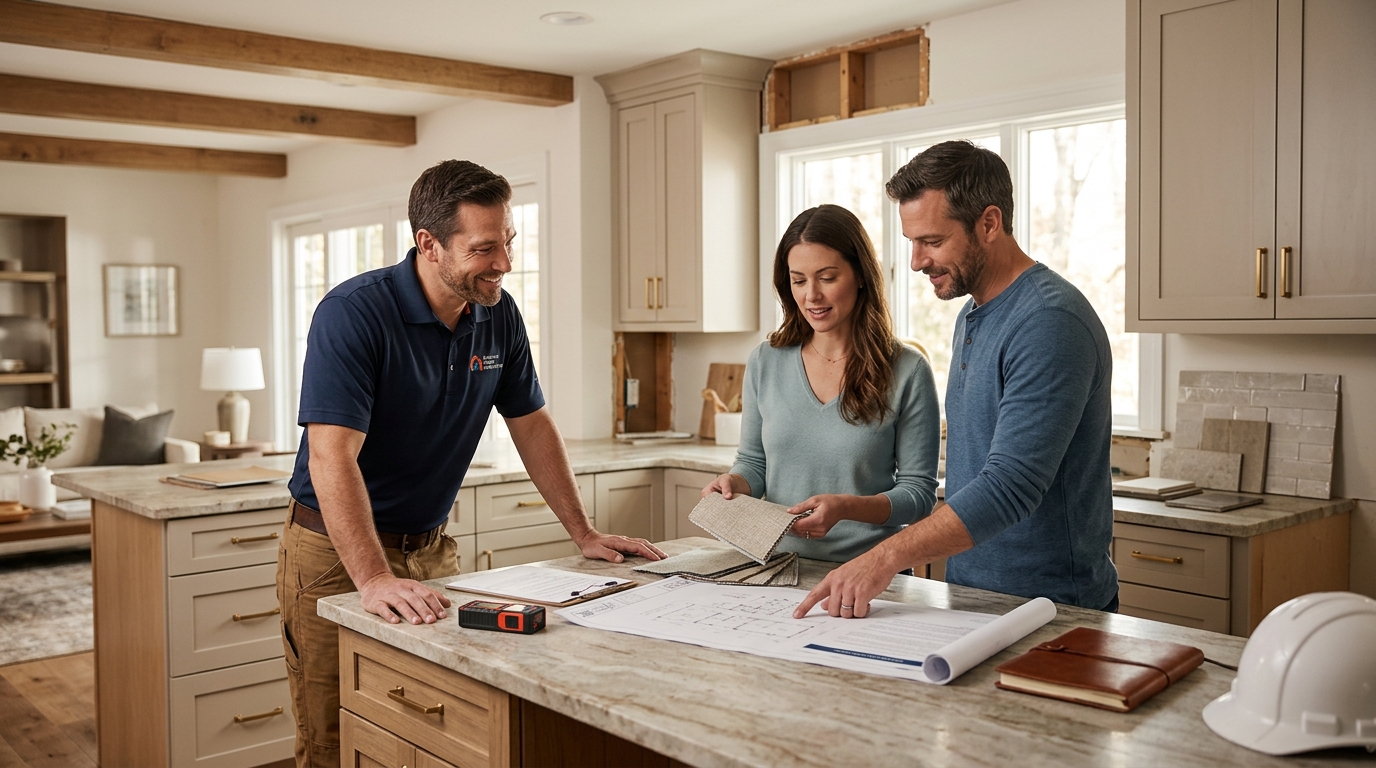
Home renovation is a significant investment that transforms your living space into a personalized sanctuary. According to recent industry data, homeowners who hire vetted professionals see an average return on investment of 60 to 70 percent on kitchen and bathroom upgrades, while those who cut corners often face costly repairs within two years. Choosing the right partner is not just about price; it is about ensuring structural integrity, aesthetic alignment, and project reliability. This guide outlines the critical steps to identifying a trustworthy contractor who delivers service beyond expectations. (Customer Reviews for Home)
Evaluate Experience and Company History
Experience is the first indicator of reliability. A contractor with decades in the industry has likely navigated complex structural challenges, weather delays, and supply chain disruptions. Longevity in business signals stability and a proven track record of client satisfaction. When researching potential contractors, look for firms that have operated for over 20 years. This tenure suggests they have survived market fluctuations by delivering quality workmanship. (Expert Home Remodeling Roofing)
Family-owned businesses often provide a distinct advantage in the remodeling sector. These companies typically prioritize reputation over rapid expansion, meaning owners are directly involved in project oversight. Working directly with owners ensures that your vision is communicated clearly from the initial estimate through to project completion. This direct line of communication reduces the risk of misinterpretation and ensures accountability at every stage of the renovation. (Expert Home Remodeling Roofing)
Verify Licensing and Insurance Coverage
Legal compliance is non-negotiable in home improvement. Before signing any contract, you must verify that the contractor holds valid state and local licenses. In New Jersey, for example, contractors must be registered to perform specific types of work, such as roofing, siding, or structural modifications. Licensing protects you from liability and ensures the contractor meets minimum competency standards set by regulatory bodies.
Insurance is equally critical. A reliable contractor must carry both general liability insurance and workers' compensation coverage. General liability protects your property against accidental damage during the renovation, while workers' compensation covers medical costs if a worker is injured on your premises. Without these policies, you could be held financially responsible for accidents. Always request a certificate of insurance and verify its validity with the provider before work begins.
Review Past Work and Specializations
Not all contractors are created equal, and specialization matters. Some firms excel in kitchen and bath remodeling, while others focus on exterior upgrades like roofing and siding. Reviewing a contractor's portfolio helps you assess their aesthetic alignment and technical proficiency. Look for projects similar in scale and scope to your own.
Customer reviews provide additional insight into reliability. Platforms like the Better Business Bureau and specialized review sites offer unfiltered feedback on timeliness, cleanliness, and problem-solving abilities. Consistent positive feedback across multiple platforms is a strong indicator of a trustworthy contractor. Pay attention to how the contractor responds to negative reviews; professional and constructive responses demonstrate a commitment to customer satisfaction.
Assess Communication and Project Management
Clear communication is the backbone of a successful renovation. During the consultation phase, evaluate how the contractor explains the process, timelines, and potential challenges. A reliable contractor will provide a detailed written estimate that breaks down costs for materials, labor, and permits. Vague quotes are a red flag that may lead to budget overruns later.
Project management style is another key factor. Ask about the daily workflow, including who will be on-site, how progress will be reported, and how changes to the scope are handled. A structured design-build approach can streamline the process by integrating design and construction under one roof. This method reduces coordination errors and accelerates project timelines, ensuring your home is transformed efficiently.
Understand Financing and Payment Structures
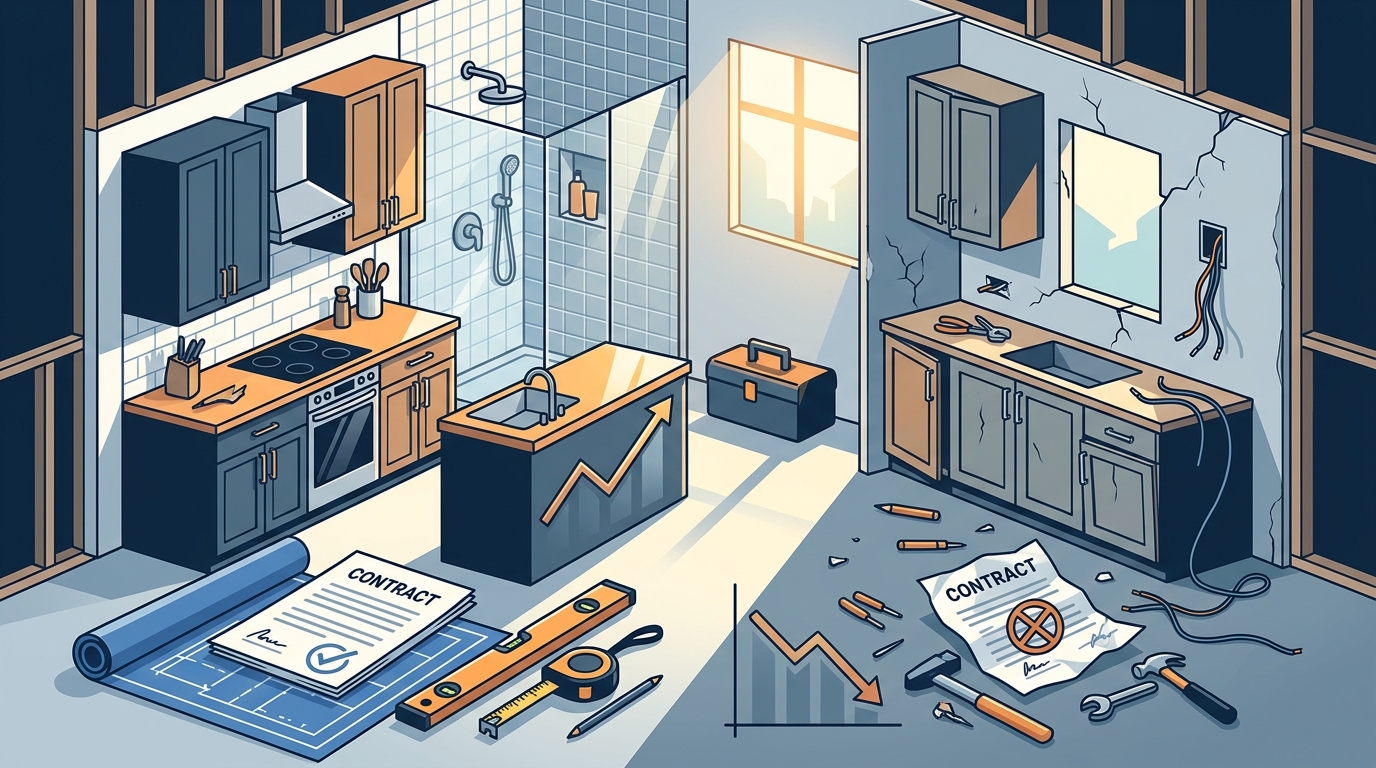
Home renovation costs can be substantial, and flexible financing options can make high-quality work accessible. Reputable contractors often partner with financial institutions to offer tailored payment plans. For instance, some firms provide 100 percent financing for qualified customers, with options for 0 percent interest for up to 18 months. Transparent financing terms help you plan your budget without compromising on material quality or craftsmanship.
Be wary of contractors who demand large upfront payments. A standard payment schedule typically involves a deposit to secure materials, progress payments tied to milestones, and a final payment upon satisfactory completion. This structure protects your cash flow and ensures the contractor remains motivated to finish the job to your standards.
Leverage Local Knowledge and Service Areas
Local contractors bring invaluable knowledge of regional building codes, climate considerations, and architectural styles. In New Jersey, for example, homes in Essex, Union, and Bergen counties may have specific requirements for roofing materials due to weather patterns, or siding standards to meet energy efficiency goals. A local firm understands these nuances and can advise on the best materials for durability and aesthetics.
Service area proximity also impacts responsiveness. Local contractors are more likely to address urgent issues quickly and maintain a presence in the community. This local accountability fosters trust and ensures that the contractor is invested in the long-term reputation of their work within the region. Choosing a contractor who serves your specific county ensures they are familiar with local permit processes and inspection requirements.
Comparison of Contractor Evaluation Criteria
| Criteria | Why It Matters | What to Look For |
|---|---|---|
| Years in Business | Indicates stability and experience | Over 20 years of operation |
| Licensing | Ensures legal compliance and competency | Valid state and local licenses |
| Insurance | Protects against liability and accidents | General liability and workers' comp |
| Financing | Affords flexible payment options | 0% interest for up to 18 months |
| Local Expertise | Ensures code compliance and durability | Service in your specific county |
Key Takeaways
- Experience Matters: Look for contractors with over 40 years of experience to ensure proven reliability and craftsmanship.
- Direct Owner Involvement: Working directly with owners ensures accountability and clear communication from estimate to completion.
- Financial Flexibility: Reputable firms often offer 100 percent financing with 0 percent interest for up to 18 months for qualified customers.
- Local Specialization: Choose contractors who specialize in your specific county, such as Essex, Union, or Bergen, for better code compliance.
- Service Awards: Check for Super Service Awards in categories like roofing, siding, and remodeling as a sign of community trust.
- Comprehensive Services: Opt for firms that offer integrated services like design-build to streamline the renovation process.
- Customer Volume: A history of serving over 20,000 customers indicates a robust operational capacity and client satisfaction.
Frequently Asked Questions
How do I verify a contractor's insurance?
You can verify a contractor's insurance by requesting a certificate of insurance directly from their provider. Ensure the policy is current and covers both general liability and workers' compensation for the duration of your project.
What is the average cost of a home renovation in New Jersey?
Costs vary widely based on scope, but kitchen and bathroom remodels typically range from $25,000 to $75,000. Exterior projects like roofing and siding may cost between $10,000 and $30,000 depending on materials. Accurate pricing requires a detailed on-site estimate.
Why is local knowledge important for contractors?
Local contractors understand regional building codes, climate impacts, and architectural styles. This knowledge ensures that renovations are durable, compliant, and aesthetically appropriate for the area.
Can I finance my home renovation?
Yes, many reputable contractors partner with financial institutions to offer financing options. Some provide 100 percent financing with 0 percent interest for up to 18 months for qualified customers.
How long does a typical kitchen remodel take?
A standard kitchen remodel usually takes 6 to 8 weeks. Complex structural changes or custom cabinetry may extend the timeline. Clear timelines are established in the initial contract.
What should I look for in a contractor's portfolio?
Look for projects similar in scale and style to your own. Pay attention to the quality of finishes, attention to detail, and the variety of materials used. Diverse portfolios demonstrate versatility and expertise.
How do I handle changes during the renovation?
Changes should be documented in a written change order that outlines the cost and timeline impact. A reliable contractor will discuss these changes with you before proceeding to avoid surprises.
Start Your Renovation Journey Today
Choosing the right contractor is the most critical step in ensuring a successful home renovation. By evaluating experience, verifying credentials, and assessing communication, you can find a partner who delivers exceptional results. American Home Remodeling offers expert home remodeling, roofing, and siding services across New Jersey. With over 40 years of experience and a commitment to service beyond expectations, we are ready to transform your home. Schedule a consultation today to discuss your project and receive a detailed estimate.