
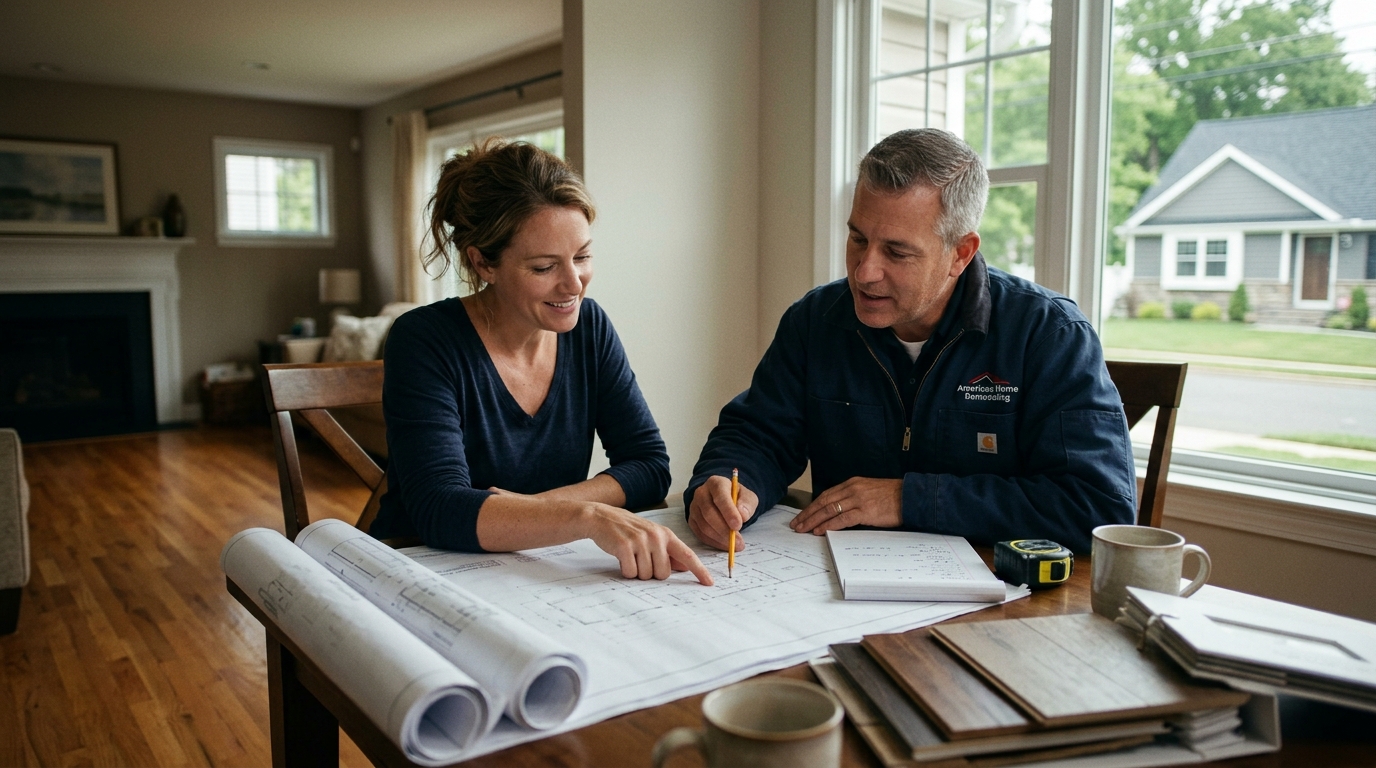
Home renovation projects involve significant financial investment and structural changes that directly impact property value and daily living. According to industry data, homeowners who fail to vet contractors thoroughly often face budget overruns exceeding 20% and project delays lasting several months. Selecting the right partner is not merely about finding the lowest bid but identifying a team with proven craftsmanship, proper licensing, and transparent communication. This guide outlines the critical steps to ensure your New Jersey home improvement project succeeds. (Expert Home Remodeling Roofing)
Verify Credentials and Licensing
The first step in hiring a reliable contractor is confirming their legal standing and insurance coverage. In New Jersey, contractors must be registered with the state to perform work over a certain dollar amount. This registration ensures they have met specific financial and legal requirements to operate.
Always request proof of liability insurance and workers' compensation coverage. Liability insurance protects your property from accidental damage during the project, while workers' compensation covers medical costs if a worker is injured on your site. Without these policies, homeowners can be held liable for accidents, leading to devastating financial consequences.
Look for contractors who hold specific certifications from industry bodies such as the National Association of the Remodeling Industry (NARI). These certifications indicate a commitment to ethical standards and ongoing education. For example, NARI certified professionals are bound by a strict code of ethics, providing an additional layer of trust for homeowners.
Evaluate Experience and Specialization
Not all contractors are created equal, and specialization matters significantly for complex projects. A general handyman may handle minor repairs, but a full-scale kitchen remodel or roof replacement requires specialized expertise. When evaluating potential contractors, ask about their specific experience with projects similar to yours in scope and style.
Longevity in the industry is often a strong indicator of reliability. Companies that have operated for decades have likely navigated economic shifts, regulatory changes, and supply chain disruptions, demonstrating resilience and stability. American Home Remodeling has served the New Jersey community for over 40 years, building a reputation on consistent quality and customer satisfaction.
Consider the contractor's service area. Local contractors understand regional building codes, climate considerations, and permit processes. For instance, roofing materials must withstand specific weather patterns common to the Tri-State area. A contractor familiar with Essex County building requirements can streamline the permitting process and avoid costly delays.
Check References and Past Work
Word of mouth and verified reviews remain the most powerful tools for vetting contractors. Do not rely solely on the contractor's website testimonials, which may be curated. Instead, seek out independent reviews on platforms like Google, Yelp, or the Better Business Bureau.
Ask potential contractors for a list of recent references, specifically for projects completed in the last 12 to 24 months. Contact these past clients and ask specific questions about their experience. Did the project stay on schedule? Were there unexpected costs? How did the contractor handle issues that arose?
Request to visit a completed project or a current job site. Observing the cleanliness, organization, and professionalism of a current crew can reveal more about the contractor's work ethic than any portfolio photo. Customer reviews provide insight into the long-term satisfaction of clients, highlighting how the company handles post-completion support.
Compare Detailed Bids
Obtain at least three detailed bids from different contractors. A reliable bid should be comprehensive, breaking down costs for materials, labor, permits, and cleanup. Be wary of bids that are significantly lower than others, as this may indicate cut corners, subpar materials, or hidden fees that will emerge later.
Ensure that each bid includes the same scope of work. Comparing apples to apples is crucial for accurate evaluation. Look for clarity in the timeline, including start and completion dates, as well as milestones for progress payments.
Consider the value proposition rather than just the price. A slightly higher bid from a contractor with superior materials, better warranties, and a proven track record often results in lower total cost of ownership due to fewer repairs and higher durability. For example, professional roofing services often come with extended warranties that protect your investment for decades.
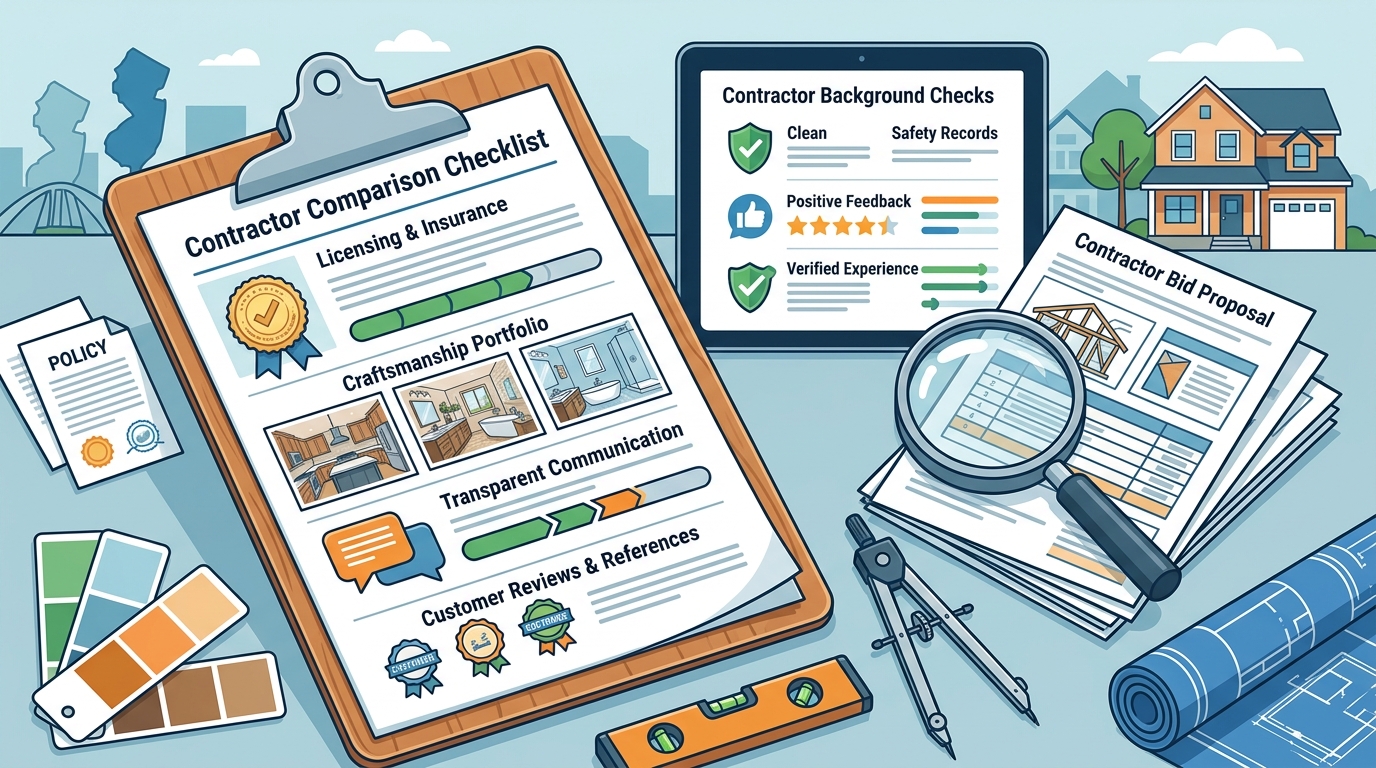
Assess Communication and Professionalism
Communication is the backbone of a successful renovation. From the initial consultation to the final walkthrough, your contractor should be responsive, clear, and proactive. Note how quickly they return calls and emails during the bidding phase. If they are difficult to reach now, they will likely be worse during the project.
Discuss your preferred method of communication and frequency of updates. Some homeowners prefer daily texts, while others want weekly meetings. A reliable contractor will adapt to your preferences and keep you informed of any changes or delays immediately.
Professionalism extends to the contractor's appearance, punctuality, and respect for your property. They should wear appropriate gear, protect your floors and furniture, and clean up daily. A disorganized job site is often a precursor to a disorganized project management style.
Review Contracts and Warranties
A written contract is non-negotiable. It should include the project scope, materials specifications, payment schedule, start and end dates, and warranty information. Avoid contractors who insist on large upfront cash payments. A standard payment schedule typically involves a deposit, progress payments tied to milestones, and a final payment upon satisfactory completion.
Understand the warranty terms. Reputable contractors stand behind their work with clear warranties on both labor and materials. This protection gives you peace of mind and ensures that any issues arising after the project is complete will be addressed promptly.
Ensure the contract includes a clause for handling change orders. Changes are common in renovations, but they should be documented in writing with agreed-upon costs before work begins. This prevents disputes and ensures transparency throughout the project.
Key Takeaways
- Verify Licensing: Always check for state registration and insurance to protect against liability.
- Check Experience: Prioritize contractors with decades of experience, such as those with over 40 years in the industry.
- Read Reviews: Consult independent sources like customer reviews for unbiased feedback.
- Compare Bids: Look for detailed, comparable bids rather than the lowest price.
- Assess Communication: Choose a contractor who is responsive and professional from the start.
- Sign a Contract: Ensure all terms, timelines, and warranties are documented in writing.
- Local Expertise: Hire contractors familiar with New Jersey building codes and regional challenges.
Frequently Asked Questions
What is the most important factor when choosing a contractor?
The most important factor is verifying their credentials, including licensing, insurance, and references. This ensures they are legally qualified and financially responsible for your project.
How many bids should I get for a home renovation?
You should obtain at least three detailed bids. This allows you to compare pricing, scope of work, and timelines to make an informed decision.
Why is a written contract necessary?
A written contract protects both parties by clearly defining the scope, costs, timeline, and warranty terms, preventing misunderstandings and disputes.
Can I pay the full amount upfront?
No, reputable contractors typically require a deposit and progress payments. Paying the full amount upfront is a red flag for potential scams or financial instability.
How do I check a contractor's reputation?
Check online reviews, ask for references, and verify their standing with the Better Business Bureau. Visiting past job sites can also provide valuable insights.
What should be included in a contractor's bid?
A bid should include a detailed breakdown of materials, labor, permits, cleanup, and a projected timeline. It should be specific to avoid hidden costs.
Do I need a permit for home renovations?
Yes, most significant renovations require permits. Your contractor should handle the permitting process, but you should verify this in the contract.
Start Your Renovation Journey Today
Choosing the right contractor is the foundation of a successful home renovation. By following these steps, you can ensure your project is completed on time, within budget, and to the highest standards. For expert home remodeling, roofing, and siding services in New Jersey, trust a team with over 40 years of experience and thousands of satisfied customers. Contact American Home Remodeling today to schedule your consultation and transform your home with confidence.