

Home renovation projects involve significant financial investment and structural changes that directly impact your property's long-term value. According to industry data, homeowners who fail to vet contractors thoroughly often face budget overruns exceeding 20% due to hidden fees and scope creep. Selecting the right partner requires more than just comparing quotes; it demands a rigorous evaluation of credentials, communication styles, and historical performance. This guide outlines the critical steps to identifying a trustworthy renovation expert who aligns with your vision and budget. (Home Renovation Statistics) (Customer Reviews for Home)
Verify Credentials and Licensing
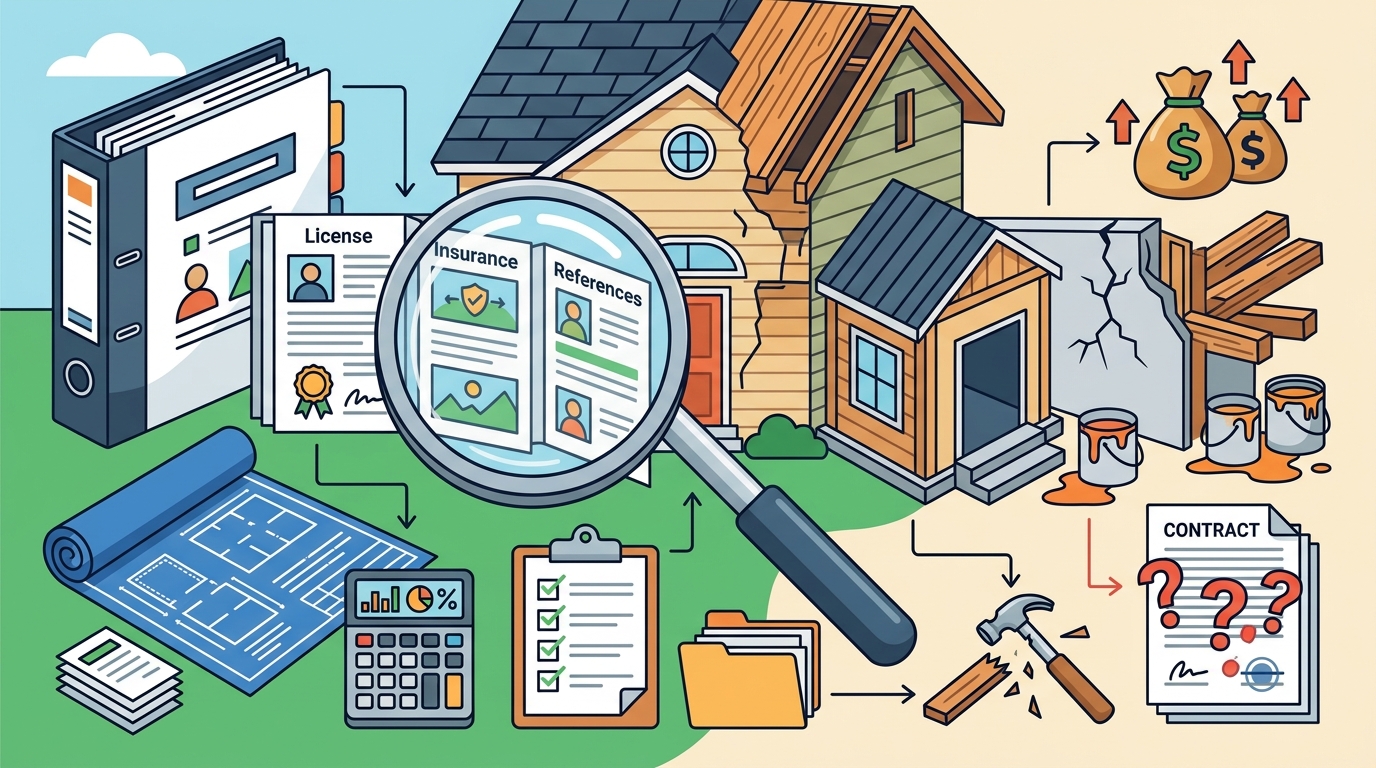
The first step in hiring a reliable contractor is confirming their legal standing and professional qualifications. In New Jersey, home improvement contractors must be registered with the state to operate legally. This registration ensures they have met specific financial and insurance requirements set by the state government. You can verify this status through the New Jersey Division of Consumer Affairs database. Always ask for their contractor registration number and verify it independently.
Beyond state licensing, reputable contractors carry comprehensive insurance coverage. This includes general liability insurance to protect your property from accidental damage during the project and workers' compensation insurance to cover any injuries to their crew on your premises. Request certificates of insurance directly from their providers before signing any agreements. This step shields you from potential liability if an accident occurs on your property.
Additionally, look for industry-specific certifications. Organizations like the National Association of the Remodeling Industry (NARI) offer certifications that demonstrate a contractor's commitment to ethical standards and continuing education. While not always mandatory, these credentials signal a higher level of professionalism and expertise in the field. (Remodeling Real Estate)
Evaluate Experience and Specialization
Not all contractors are created equal, and specialization matters significantly for complex projects. A contractor who excels at kitchen remodeling may not have the structural expertise required for a home addition. Define the scope of your project clearly and seek professionals who specialize in that specific area. For instance, if you are planning a roofing project, ensure the contractor has extensive experience with local weather conditions and material requirements.
Consider the longevity of the business in the community. Companies with decades of experience, such as American Home Remodeling, often have established relationships with suppliers and subcontractors. This network can lead to better pricing and priority scheduling. Furthermore, long-standing businesses are more likely to be available for warranty work and future maintenance needs.
Ask about their project management structure. Will you work directly with the owner or a dedicated project manager? Direct access to decision-makers often results in faster problem-solving and clearer communication. Understanding who will be on-site daily helps you gauge the level of oversight and accountability you can expect throughout the renovation process.
Check References and Past Work
Speaking to past clients is one of the most effective ways to vet a contractor. Ask for at least three recent references for projects similar in scope and budget to yours. Contact these clients and ask specific questions about their experience. Did the contractor stay on schedule? Were there unexpected costs? How did they handle issues that arose during construction?
Reviewing a portfolio of completed projects is equally important. Look for consistency in quality and attention to detail. High-resolution photos or, ideally, in-person visits to completed homes can provide tangible evidence of craftsmanship. Pay attention to the finish work, such as trim, paint, and tile alignment, which often reveal the true skill level of a crew.
Check online reviews on multiple platforms, including Google, Yelp, and the Better Business Bureau. Look for patterns in the feedback rather than isolated incidents. A consistent complaint about poor communication is a red flag, while occasional negative reviews amidst a sea of positive ones may indicate normal project variability. The Better Business Bureau also provides insights into how a company resolves customer disputes.
Analyze Detailed Proposals
A reliable contractor provides a detailed, written proposal that leaves no room for ambiguity. This document should include a breakdown of costs for materials, labor, permits, and waste removal. Vague estimates like "approximately $10,000" are insufficient for major renovations. Instead, look for line items that specify the type, brand, and quantity of materials to be used.
Ensure the proposal outlines the project timeline, including start and completion dates. Ask about the process for handling delays, such as weather-related issues or material shortages. A professional contractor will have contingency plans and will communicate proactively if the schedule is at risk. Transparency about potential challenges builds trust and sets realistic expectations.
Review the payment schedule carefully. Reputable contractors typically require a small deposit to secure the job and schedule materials, with subsequent payments tied to project milestones. Avoid contractors who demand full payment upfront or large sums early in the process. This structure protects your financial interests and ensures the contractor remains motivated to complete the work to your satisfaction.
Assess Communication and Professionalism
Communication is the backbone of a successful renovation. From the initial consultation to the final walkthrough, your contractor should be responsive, clear, and professional. Note how quickly they return calls and emails during the bidding phase. If they are difficult to reach now, they will likely be even more so once the project begins.
Discuss your preferred method of communication. Some homeowners prefer daily updates, while others want weekly summaries. Establishing these expectations early prevents misunderstandings and ensures you are kept informed without feeling micromanaged. A good contractor will also provide a clear point of contact for any questions or concerns that arise during construction.
Professionalism extends to the condition of their office and vehicles. While not a definitive indicator of work quality, a well-maintained business environment often reflects the care they take with their projects. Additionally, observe how they treat you during the estimate process. Do they listen to your needs? Do they offer constructive advice? These interactions provide valuable insights into the working relationship you will have.
Understand Financing and Payment Terms
Home renovations can be expensive, and understanding your financing options is crucial. Many reputable contractors partner with financial institutions to offer flexible payment plans. For example, American Home Remodeling offers 100% financing for qualified customers, with options for 0% interest for up to 18 months. These programs can make high-quality renovations more accessible without straining your immediate cash flow. (Home Renovation Statistics)
Review the terms of any financing offer carefully. Understand the interest rates, repayment periods, and any potential penalties for late payments. If you are using a home equity loan or line of credit, consult with your financial advisor to ensure it aligns with your overall financial strategy. Transparency about financing options is a sign of a contractor who wants to make your project a reality.
Finally, ensure that all financial agreements are documented in the contract. This includes the total cost, payment schedule, and any financing arrangements. Clear financial terms prevent disputes and ensure both parties are aligned on the economic aspects of the project.
Key Takeaways
- Verify contractor registration with the New Jersey Division of Consumer Affairs to ensure legal compliance.
- Request and verify certificates of insurance, including general liability and workers' compensation.
- Check references and online reviews on platforms like BBB and Google for consistent feedback patterns.
- Require detailed written proposals with line-item cost breakdowns and clear timelines.
- Assess communication responsiveness during the bidding phase as an indicator of future service.
- Explore financing options, such as 0% interest plans for up to 18 months, to manage cash flow.
- Look for contractors with decades of experience and specialized expertise in your project type.
Frequently Asked Questions
What is the most important factor when choosing a contractor?
While cost is a consideration, the most important factor is reliability and trustworthiness. A contractor who communicates well, stays on schedule, and delivers quality work is worth the investment. Verify their credentials and check references to ensure they have a track record of success.
How do I verify a contractor's insurance?
Ask the contractor to provide current certificates of insurance directly from their insurance provider. Verify that the policies are active and cover the specific types of work you are having done. You can also contact the insurance company directly to confirm coverage details.
What should be included in a renovation contract?
A comprehensive contract should include the scope of work, detailed cost breakdown, payment schedule, project timeline, warranty information, and procedures for handling changes or disputes. Ensure all verbal agreements are documented in writing.
Is it necessary to hire a local contractor?
Hiring a local contractor is often beneficial because they are familiar with local building codes, permit processes, and weather conditions. They are also more accessible for warranty work and future maintenance needs. Local contractors often have established relationships with suppliers, which can lead to better pricing.
How much should I expect to pay for a home renovation?
Costs vary widely depending on the scope of the project, materials chosen, and regional labor rates. It is essential to get multiple detailed quotes to understand the market rate for your specific needs. Be wary of quotes that are significantly lower than others, as they may indicate subpar materials or hidden costs.
What financing options are available for home renovations?
Common options include home equity loans, home equity lines of credit (HELOCs), personal loans, and contractor-sponsored financing programs. Some contractors, like American Home Remodeling, offer 0% interest financing for qualified customers for up to 18 months. Compare interest rates and terms to find the best option for your financial situation.
Ready to Start Your Renovation?
Choosing the right contractor is a critical decision that impacts the success of your home renovation. By following these steps, you can identify a reliable partner who will deliver quality workmanship and exceptional service. Take the time to verify credentials, check references, and review detailed proposals. When you are ready to transform your home, contact a trusted expert who understands your needs.
For expert home remodeling, roofing, and siding services in New Jersey, contact American Home Remodeling today to schedule your consultation. With over 40 years of experience and a commitment to service beyond expectations, we are here to help you achieve your renovation goals. (Remodeling Real Estate)