
Affordable Siding Alternatives for New Jersey Homes in 2026
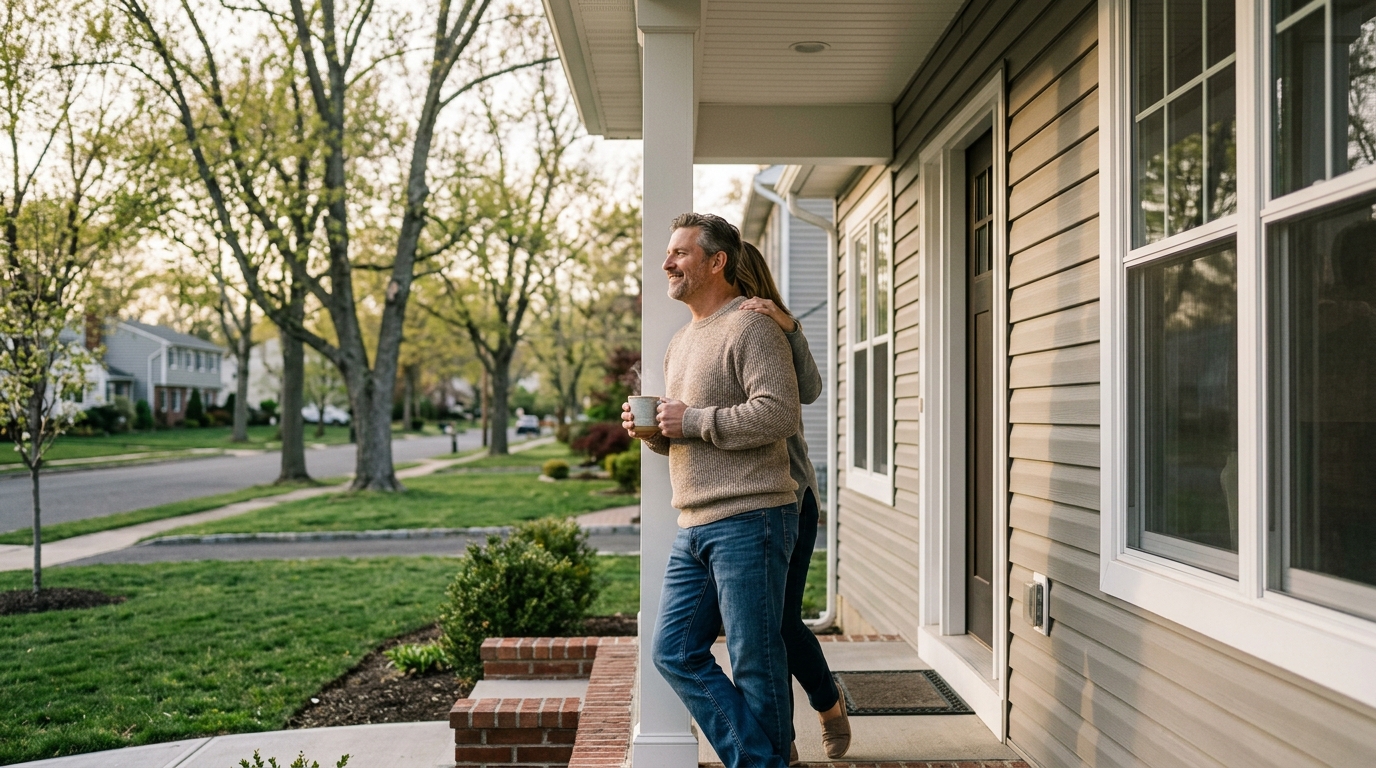
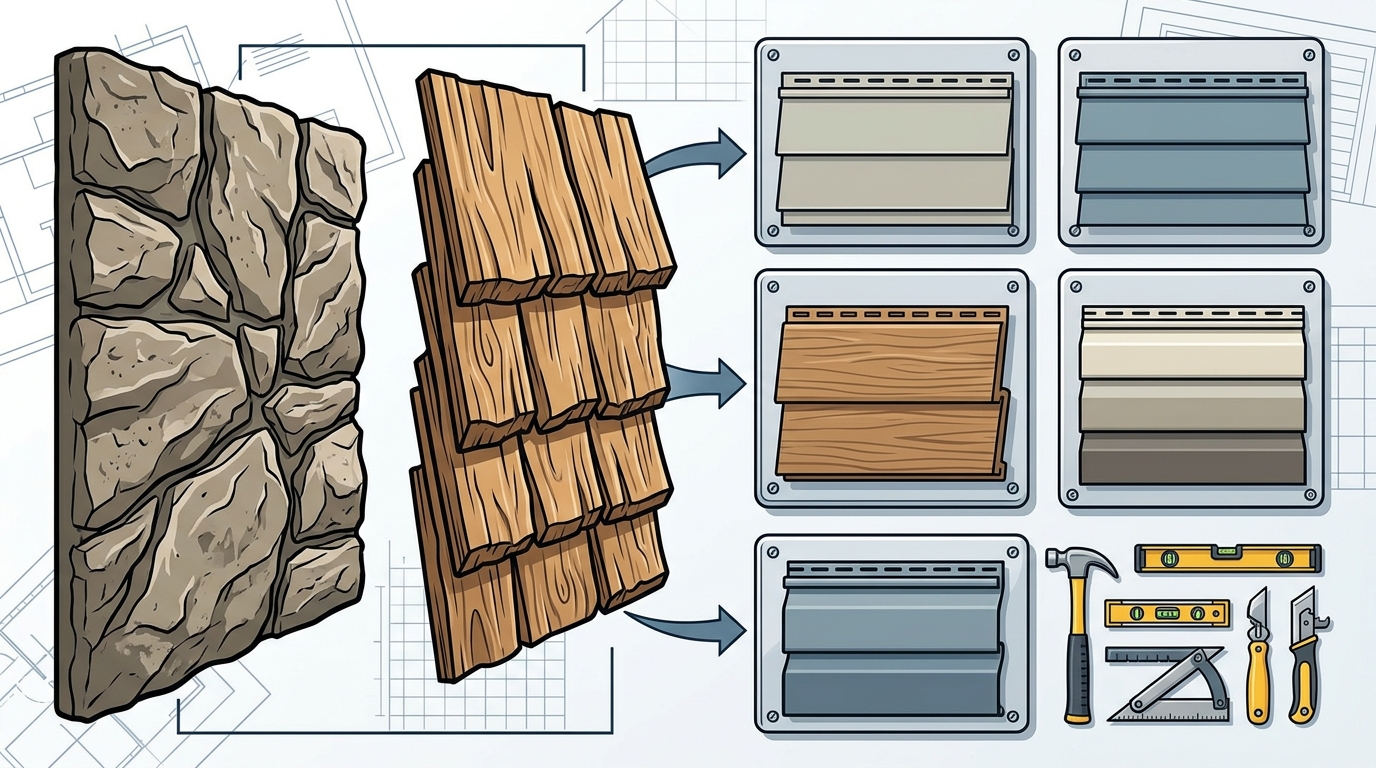
New Jersey homeowners know that siding is not just about curb appeal. It is your home's first line of defense against coastal humidity, freeze-thaw cycles, and seasonal storms. But premium materials like natural stone and cedar can push project costs well past $30,000. The good news? Several budget-friendly siding alternatives deliver strong performance in the Garden State without draining your savings. Below, we break down the most cost-effective options, compare real 2026 pricing, and help you choose the right material for your home and climate.
Why New Jersey's Climate Demands the Right Siding
New Jersey's climate presents unique challenges, including temperature swings, heavy rain, snow, coastal moisture, and seasonal storms. Temperatures regularly cross the freezing threshold dozens of times each winter, creating expansion and contraction that can crack inferior materials. Any siding you choose must handle humidity in summer and ice in winter without warping, rotting, or fading.
That is why material selection matters more here than in milder climates. The right affordable siding should resist moisture, tolerate freeze-thaw cycles, and require minimal ongoing maintenance. Our NJ siding installation team helps homeowners evaluate exactly these factors before committing to a material.
Vinyl Siding: The Most Popular Budget Option
Vinyl siding is a manufactured exterior cladding made from PVC (polyvinyl chloride). It is the most popular siding material in New Jersey and across the Northeast, and for good reason. In 2026, vinyl costs approximately $4.50 to $8.20 per square foot installed, making it the most affordable professional-grade option available.
Why Vinyl Works in New Jersey
Modern vinyl has improved significantly with thicker profiles, realistic wood-grain textures, and better color retention than older generations. It does not rot, rust, or attract insects. It requires zero painting or staining, only occasional cleaning with soap and water. For homeowners planning to sell within 10 to 15 years, vinyl delivers strong ROI with minimal upkeep.
Explore our top FAQs and benefits of vinyl siding for a deeper dive into this material.
Insulated Vinyl Siding: Better Energy Efficiency
Insulated vinyl siding is a variation of standard vinyl that incorporates a rigid foam backing bonded to each panel. This foam layer adds R-value to your walls and can reduce energy bills by up to 20%. In New Jersey, where heating and cooling costs add up quickly, insulated vinyl is a smart middle ground between basic vinyl and premium fiber cement.
Pricing for insulated vinyl typically runs $5 to $10 per square foot installed, according to 2026 NJ contractor estimates. It delivers stronger, more rigid panels that hug your home tighter for greater thermal performance.
Fiber Cement Siding: Mid-Range Durability
Fiber cement siding is a composite material consisting of cement, sand, cellulose fibers, and water. Brands like James Hardie dominate this category with products engineered specifically for freeze-thaw climates. The HZ5 product line is formulated for regions like New Jersey where temperatures swing dramatically.
Cost and Lifespan
Fiber cement costs between $6 and $14 per square foot installed in 2026, with most homeowners paying around $12 per square foot for quality installation. It lasts 30 to 50 years and resists fire, moisture, pests, and impact. While the upfront price is higher than vinyl, fiber cement siding replacement returns approximately 114% of its cost at resale according to the Zonda 2025 Cost vs. Value Report.
Learn more in our guide to the fiber cement siding installation process.
Engineered Wood Siding: Natural Look, Lower Cost
Engineered wood siding is a manufactured product made from wood fibers and resin, designed to mimic the beauty of real wood while resisting moisture, rot, and insects. Brands like LP SmartSide and KWP Eco-Side are popular choices that perform well in New Jersey's inland and suburban areas.
Pricing and Performance
Engineered wood runs approximately $7 to $12 per square foot installed. It is more affordable than traditional cedar, which has seen 15 to 25% price spikes in 2026 due to the 34.5% Canadian softwood lumber tariff. Engineered wood comes in shiplap, clapboard, and cedar shake textures, and it is often made from recycled wood fibers, making it a more sustainable option.
Aluminum Siding: Lightweight and Affordable
Aluminum siding is a metal exterior cladding that offers some similar benefits to vinyl at a comparable price point. It costs approximately $5.60 to $10.30 per square foot installed. Aluminum is durable, rust-resistant, and works well in coastal areas exposed to strong winds and salt air.
The main drawbacks are that aluminum can dent on impact and may fade or chalk over time. Still, for New Jersey shore communities seeking storm protection on a budget, it remains a viable alternative. Pair a siding upgrade with professional roofing services for a complete exterior refresh.
2026 Siding Cost Comparison Table
| Material | Cost Per Sq Ft (Installed) | Lifespan | Maintenance | Best For |
|---|---|---|---|---|
| Vinyl (Standard) | $4.50 - $8.20 | 20 - 40 years | Very Low | Budget-conscious homeowners |
| Insulated Vinyl | $5 - $10 | 20 - 40 years | Very Low | Energy efficiency seekers |
| Fiber Cement (Hardie) | $6 - $14 | 30 - 50 years | Low | Long-term homeowners |
| Engineered Wood | $7 - $12 | 20 - 30 years | Moderate | Natural wood aesthetic |
| Aluminum | $5.60 - $10.30 | 30 - 50 years | Low | Coastal / storm-prone areas |
| Natural Wood (Cedar) | $6 - $20 | 15 - 30 years | High | Traditional charm (premium) |
| Natural Stone | $30 - $48 | 50+ years | Very Low | Luxury projects |
Sources: Modernize, HomeAdvisor, and Hover (2026 data).
Key Takeaways
- Vinyl siding remains the most affordable option for NJ homes at $4.50 to $8.20 per square foot installed.
- Insulated vinyl adds energy savings of up to 20% on heating and cooling bills for a modest price increase.
- Fiber cement (James Hardie HZ5) is the best premium-value choice for NJ's freeze-thaw climate, lasting 30 to 50 years.
- Engineered wood offers the look of natural cedar at a lower price, especially as 2026 tariffs push cedar costs up 15 to 25%.
- Aluminum siding is a solid pick for coastal NJ communities needing wind and salt-air resistance.
- Natural stone and cedar are the costliest options; most homeowners save significantly by choosing alternatives.
- Professional installation is critical regardless of material. Improper installation can trap moisture and cause hidden structural damage.
Frequently Asked Questions
What is the cheapest siding option for a New Jersey home?
Standard vinyl siding is the most affordable option, costing $4.50 to $8.20 per square foot installed in 2026. It requires virtually no maintenance and lasts 20 to 40 years.
Is insulated vinyl siding worth the extra cost?
Yes. The rigid foam backing adds thermal insulation and can reduce energy bills by up to 20%. For NJ homeowners who plan to stay in their home long-term, the energy savings often offset the higher upfront price within a few years.
How does fiber cement siding handle NJ winters?
James Hardie's HZ5 product line is engineered specifically for freeze-thaw climates. Standard fiber cement not rated for freeze-thaw can absorb moisture and crack, so always specify HZ5 for New Jersey installations.
Is engineered wood siding a good alternative to cedar?
Absolutely. Engineered wood mimics the look of natural cedar while offering better resistance to moisture, rot, and insects. It costs significantly less, especially in 2026 as Canadian lumber tariffs have raised cedar prices by 15 to 25%.
Does new siding increase home value in New Jersey?
Yes. Siding replacement is one of the highest-ROI exterior upgrades. Fiber cement siding replacement returns approximately 114% of its cost at resale according to industry reports. Even vinyl siding yields an estimated 80% return on investment.
How long does siding installation take?
The timeline depends on your home's size and the material selected. Most vinyl projects on an average-sized NJ home take 1 to 2 weeks. Fiber cement installations may take slightly longer due to the heavier material and specialized cutting required.
Do I need a permit for siding replacement in New Jersey?
Most NJ municipalities require a building permit for siding replacement, typically costing $50 to $300. Your contractor should handle the permitting process. Learn more about NJ permit requirements in our NJ permit guide.
Can I install siding over existing siding?
In some cases, yes. However, installing over damaged or moisture-compromised siding can hide problems and lead to structural damage. A professional inspection is recommended first. Our vinyl siding replacement guide covers when to overlay versus fully replace.
Get a Free Siding Consultation in New Jersey
Choosing the right siding material can save you thousands over the life of your home. With over 40 years of experience and more than 20,000 satisfied customers, American Home Remodeling installs vinyl, fiber cement, wood, and composite siding across New Jersey. We offer flexible financing options, including 0% interest promotional plans, to make your project accessible regardless of budget.
Call us today at 973-374-6700 or request your free in-home consultation to find the affordable siding solution that fits your home, your climate, and your budget.