
Step-by-Step Checklist for Inspecting Your Home Before New Siding Installation
Homeowners in New Jersey face unique weather challenges that accelerate siding wear. According to recent industry data, improper installation on compromised substrates leads to a 40% higher rate of premature failure in coastal and tri-state regions. This statistic highlights why a thorough pre-installation inspection is not optional but essential for protecting your investment. Before you schedule your next project with American Home Remodeling, understanding the structural integrity of your home's exterior is critical.
Identify Existing Damage and Rot
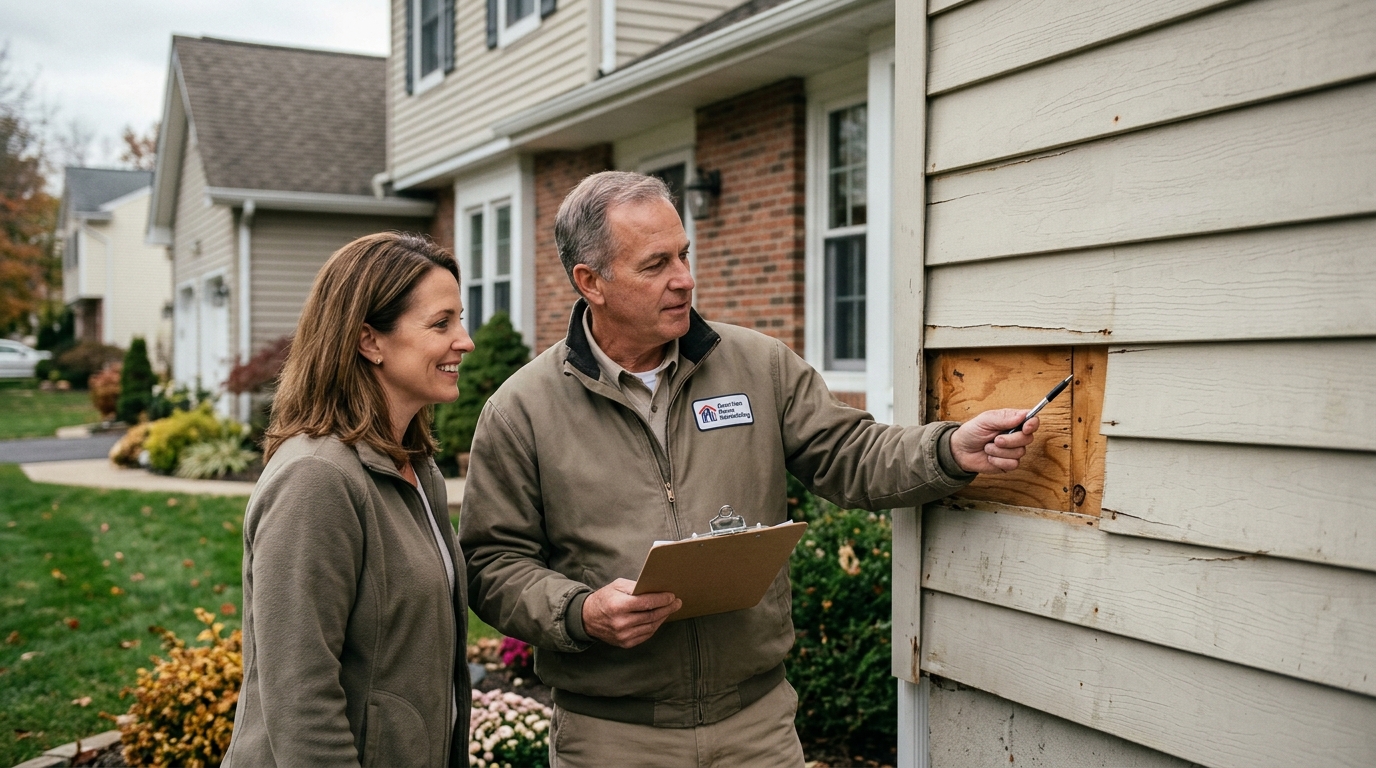
The first step in your inspection is a visual and tactile assessment of the current siding. Look for signs of warping, buckling, or loose panels. These issues often indicate that water has penetrated behind the siding, causing the underlying wood to rot. Rot is the silent destroyer of home exteriors. If you press on the siding and it feels soft or spongy, there is likely significant decay beneath the surface.
Pay close attention to the corners of the house and areas around windows. These are high-risk zones for water intrusion. In New Jersey, where humidity levels fluctuate significantly, moisture traps can develop quickly. If you find extensive rot, it must be addressed before new siding goes up. Ignoring this step can lead to mold growth and structural compromise. For detailed guidance on siding installation and repair, consult with certified professionals who understand local climate impacts.
Check Structural Integrity and Framing
Once surface damage is noted, you must evaluate the framing behind the siding. This requires removing a small section of the existing material or relying on a professional inspection. The framing studs must be straight, solid, and free of insect damage. Termites and carpenter ants are common in the Tri-State area, and they can weaken the structural backbone of your home.
Ensure that the sheathing, the layer between the framing and the siding, is intact. Damaged sheathing reduces the home's ability to resist wind loads and thermal transfer. If the sheathing is compromised, it needs to be replaced with fresh, treated plywood or OSB. This step is crucial for the longevity of your new siding. American Home Remodeling emphasizes that a solid foundation is key to a durable exterior finish.
Evaluate Insulation and Moisture Barriers
Modern siding is not just about aesthetics; it is a critical component of your home's energy efficiency. Check if there is adequate insulation between the studs. Older homes in New Jersey often lack sufficient insulation, leading to higher energy bills. Upgrading to foam board insulation or spray foam during this process can significantly improve your home's R-value.
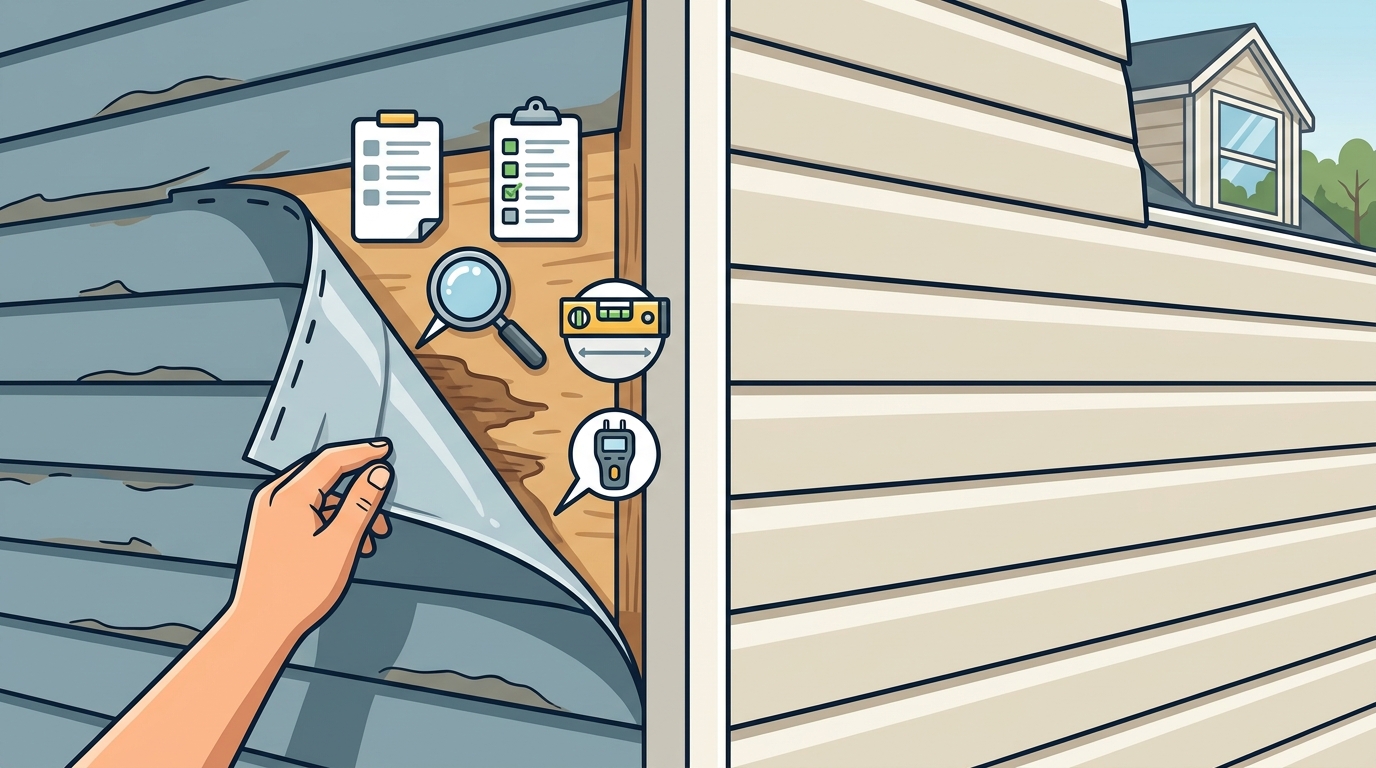
Additionally, inspect the weather-resistant barrier (WRB). This is the layer that protects the sheathing from moisture. If the WRB is torn, missing, or degraded, it must be replaced. A proper WRB ensures that any water that gets behind the siding drains out safely. This is a vital step in preventing future leaks. For more insights on home renovation and additions, consider how insulation upgrades can add value to your property.
Inspect Windows and Doors Integration
Your new siding must integrate seamlessly with your windows and doors. Check the flashing around these openings. Flashing directs water away from the structure. If the flashing is corroded or improperly installed, water will seep into the wall cavity. Look for gaps between the window frame and the siding. These gaps should be sealed with high-quality caulk or foam.
Ensure that the window sills are sloped correctly to shed water away from the house. If the sills are level or sloped inward, water will pool and cause damage. This inspection point is often overlooked but is critical for long-term durability. Proper integration prevents water damage and improves the overall aesthetic. Learn more about our kitchen remodeling services to see how we handle interior-exterior transitions.
Assess Roof Line and Drainage
The condition of your roof and gutters directly impacts your siding. If water is overflowing from clogged gutters, it will run down the siding and cause damage. Inspect the roof edge to ensure that the drip edge is properly installed. The drip edge should direct water into the gutters, not onto the siding.
Check for any overhanging tree branches that could scratch the new siding or drop debris that traps moisture. Trim back any vegetation that is too close to the house. This simple step can prevent significant damage. Proper drainage is essential for maintaining the integrity of your home's exterior. For comprehensive roofing services, ensure your roof is in good condition before starting siding work.
Final Preparation and Contractor Selection
After completing your inspection, compile a list of all necessary repairs. This list will help you get accurate quotes from contractors. Do not skip any steps, even if they seem minor. Small issues can become major problems if left unaddressed. Choose a contractor who specializes in siding installation and has experience with New Jersey homes.
Verify that the contractor is licensed, insured, and offers a warranty. Ask for references and check their reviews. A reputable contractor will perform their own detailed inspection and provide a comprehensive plan. This ensures that your new siding lasts for decades. Contact American Home Remodeling today to schedule your professional inspection.
Key Takeaways
- Inspect for rot and soft spots, especially around corners and windows.
- Ensure framing and sheathing are solid and free of insect damage.
- Upgrade insulation and replace any damaged weather-resistant barriers.
- Check flashing and sealing around windows and doors for water tightness.
- Maintain gutters and roof drip edges to prevent water overflow.
- Compile a repair list before getting contractor quotes.
- Choose a licensed, insured contractor with local experience.
Frequently Asked Questions
How often should I inspect my siding before replacement?
You should inspect your siding annually, preferably before the winter season. Regular inspections help catch small issues before they become costly repairs. Early detection of rot or moisture damage can save you thousands in the long run.
Can I install new siding over old siding?
While it is possible to install new siding over old, it is generally not recommended. Old siding can hide rot and moisture issues. Removing the old siding allows for a thorough inspection and repair of the underlying structure. This ensures a longer-lasting and more durable installation.
What is the most common cause of siding failure?
The most common cause of siding failure is moisture intrusion. Water getting behind the siding leads to rot, mold, and structural damage. Proper installation of weather barriers and flashing is essential to prevent this. Regular maintenance of gutters and downspouts also plays a critical role.
How do I know if my framing is damaged?
Signs of framing damage include sagging walls, uneven siding, and soft spots when pressing on the exterior. If you suspect framing damage, it is crucial to have a professional inspect the area. Structural integrity is vital for the safety and longevity of your home.
What type of siding is best for New Jersey weather?
Fiber cement and vinyl siding are popular choices for New Jersey due to their durability and resistance to moisture. Fiber cement is particularly resistant to rot and insect damage. Vinyl siding offers excellent insulation properties and low maintenance. The best choice depends on your specific needs and budget.
How long does a siding installation take?
A typical siding installation for an average-sized home takes about one to two weeks. This timeline can vary based on the size of the home, the type of siding, and any necessary repairs. Proper preparation and inspection can help avoid delays during the installation process.
Do I need a permit for siding installation?
Permit requirements vary by municipality in New Jersey. Some areas require permits for siding replacement, especially if it involves structural changes or insulation upgrades. It is best to check with your local building department or consult with your contractor. Bathroom remodeling projects often have different permit requirements, so always verify local codes.
Ready to Protect Your Home?
Don't wait for damage to worsen. Start your inspection today and ensure your home is ready for a new siding installation. Contact American Home Remodeling to schedule your professional assessment and get a free quote. Our team is dedicated to delivering service beyond expectations, ensuring your home stands strong against the elements.