
How to Verify a Roofing Contractor's Credentials in New Jersey
Verify a New Jersey roofing contractor by checking their HIC license, insurance, and local reputation. Start with the state registry, confirm liability coverage, and review recent customer feedback. This process protects your home and investment.
Understanding New Jersey HIC Licensing
Home Improvement Contractor (HIC) licensing is a mandatory requirement for most residential work in New Jersey. The state requires contractors to register with the Department of Consumer Affairs. This license ensures the business meets basic legal and financial standards. Without it, you cannot legally hire them for most home improvements. For additional details, review the Contact Us American Home.
You can verify this status through the official state database. Search for the company name to see if the license is active. Check the expiration date and any disciplinary actions. An active license is the first line of defense against unqualified workers. For additional details, review the Customer Reviews for Home.
What the License Covers
The HIC license covers general home improvement services. It does not guarantee specific technical skills in roofing. However, it proves the business is legally operating in the state. Always ask for the license number during your initial consultation.
Confirming Insurance and Bonding
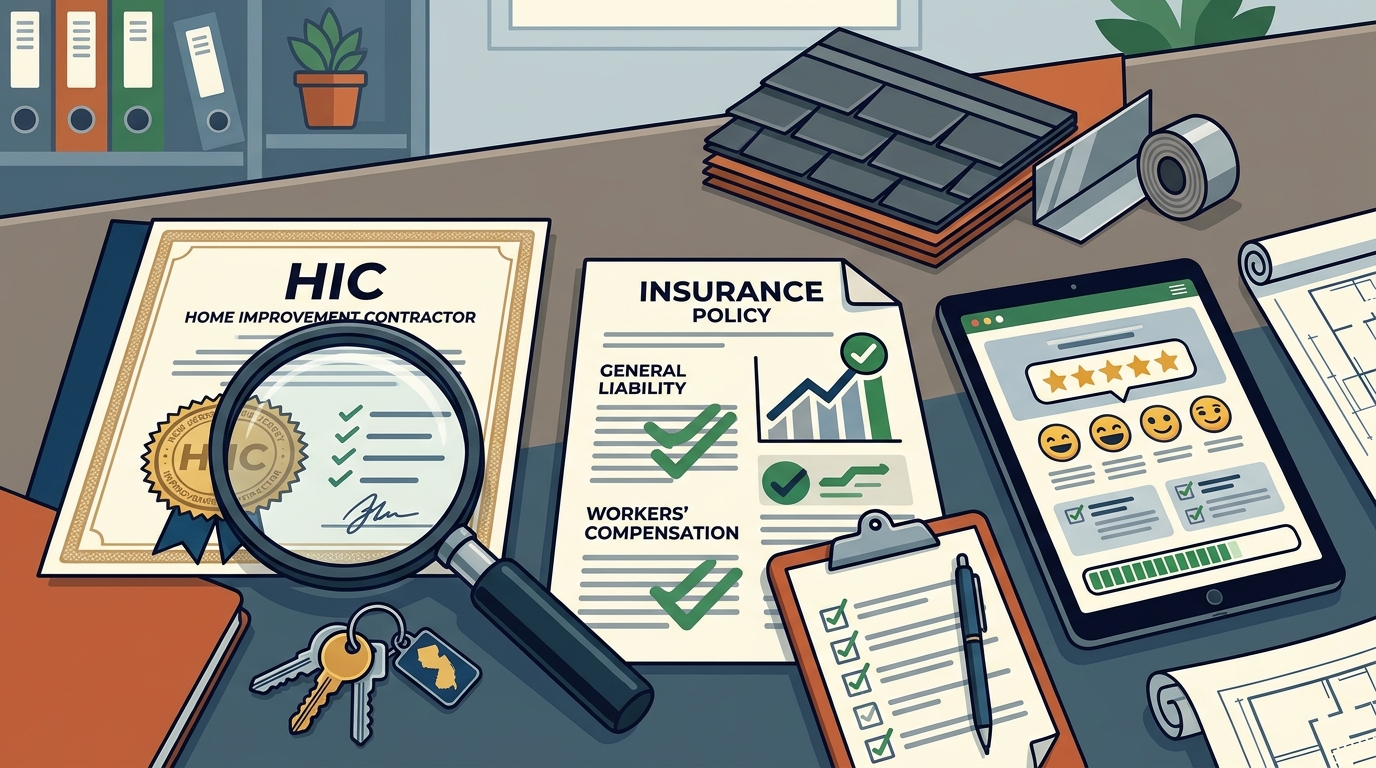
Insurance verification is a critical step in protecting your property. A reputable contractor carries general liability insurance and workers' compensation. General liability covers damage to your home during the project. Workers' compensation protects the contractor's employees if they get injured on your property.
Ask for a Certificate of Insurance (COI) directly from their insurance provider. Do not rely on a verbal promise. The document should list your name as the certificate holder. This ensures the policy is active and covers the specific scope of work.
Why Bonding Matters
Bonding provides financial protection if the contractor fails to complete the job. It is a guarantee that the business will fulfill its contractual obligations. While not always mandatory, bonding is a strong indicator of a serious and stable company.
Evaluating Local Reputation and Reviews
Local reputation is a powerful indicator of a contractor's reliability. In New Jersey, word of mouth still carries significant weight. Check online review platforms for consistent feedback over time. Look for patterns in the comments rather than isolated incidents.
Pay attention to how the company responds to negative reviews. A professional team addresses complaints calmly and offers solutions. This shows accountability and a commitment to customer satisfaction. American Home Remodeling maintains a strong presence in the Tri-State area, reflecting consistent service quality.
Checking for Complaints
Search for the company name alongside words like "complaint" or "lawsuit." This can reveal hidden issues that do not appear in marketing materials. A clean record is a positive sign of ethical business practices.
Assessing Experience and Specialization
Experience is a key factor in the quality of your roofing project. Ask how long the company has been in business. A longer track record often correlates with stability and expertise. Inquire about their specific experience with roofing materials common in New Jersey.
Specialization matters because roofing is a complex trade. A general handyman may not have the same depth of knowledge as a dedicated roofing contractor. Ask for examples of recent projects similar to yours. This helps you gauge their capability and attention to detail.
Local Knowledge
Local knowledge is an often overlooked credential. Contractors familiar with New Jersey weather patterns understand the specific challenges your roof will face. They know which materials perform best in our climate. This expertise can save you money in the long run.
Reviewing Contracts and Guarantees
A detailed contract is the final piece of the verification puzzle. It should outline the scope of work, materials, timeline, and payment schedule. Avoid contractors who only provide vague estimates. A written contract protects both parties and sets clear expectations.
Payment Structures
Be wary of contractors who demand full payment upfront. A standard structure involves a deposit, progress payments, and a final payment upon completion. This aligns the contractor's incentives with your satisfaction. It also reduces your financial risk.
Key Takeaways
- Always verify the HIC license through the official New Jersey state database.
- Request a Certificate of Insurance to confirm liability and workers' comp coverage.
- Check local reviews and complaint records to assess reputation and accountability.
- Ask about specific roofing experience and local climate knowledge.
- Insist on a detailed written contract with clear warranty terms.
- Avoid large upfront payments; use a structured payment schedule instead.
Frequently Asked Questions
Is an HIC license required for all roofing work in New Jersey?
Yes, most residential roofing work requires a Home Improvement Contractor license. This ensures the business is registered and meets state standards.
How do I check if a contractor's insurance is active?
Ask for a Certificate of Insurance from their provider. Verify the policy details and expiration date directly with the insurance company.
What should I look for in online reviews?
Look for consistent positive feedback and professional responses to negative comments. Patterns in reviews are more telling than single incidents.
Why is local experience important for roofing?
Local contractors understand New Jersey weather and building codes. This knowledge helps them choose the right materials and techniques for your home.
What is a bonding guarantee?
Bonding is a financial guarantee that the contractor will complete the job. It protects you if the business fails to fulfill its contract.
How much should I pay upfront for a roofing project?
A standard deposit is usually 10-20% of the total cost. Avoid paying the full amount before the work is completed. Learn more: Contact Us American Home.