
What Insurance Coverage Should Your Home Remodeling Contractor Have?
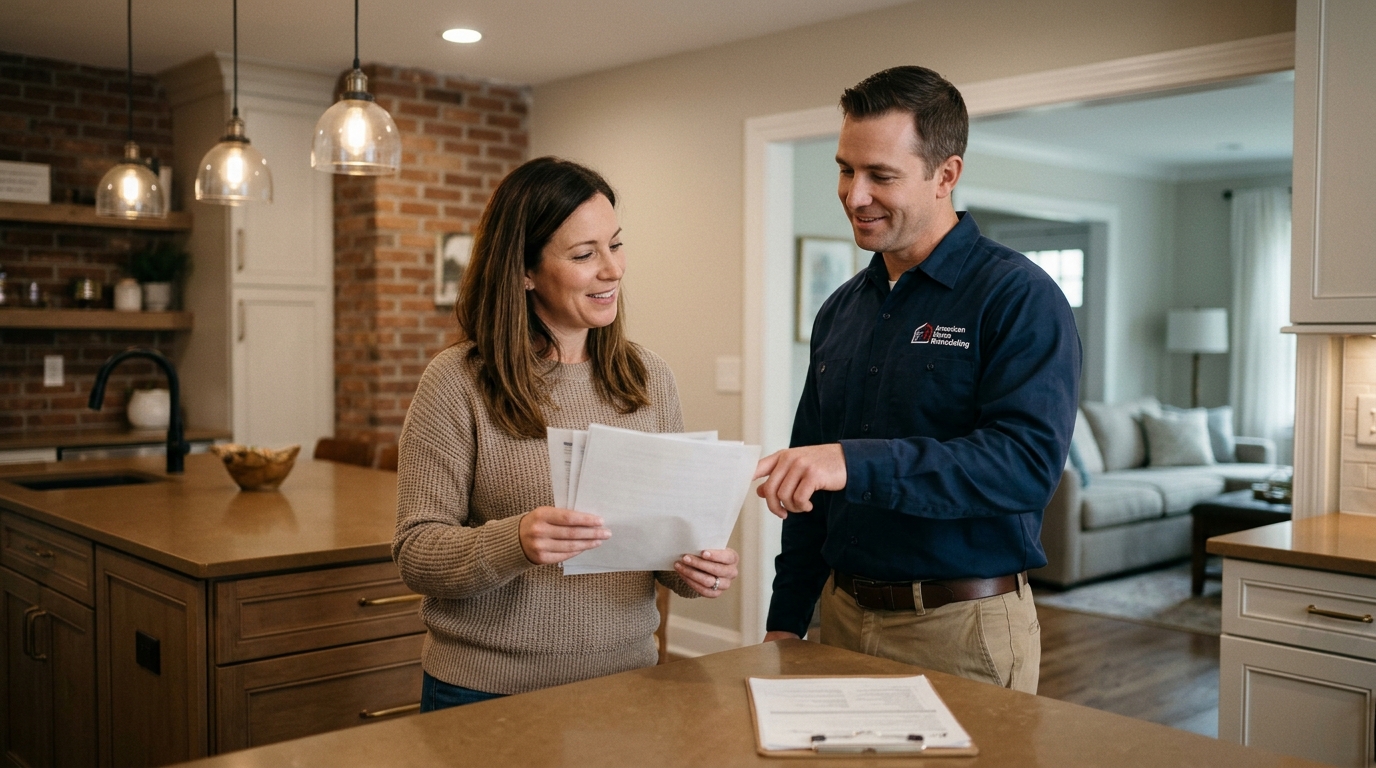
Before any work begins, your contractor must carry general liability, workers' compensation, and commercial auto insurance. These policies protect your property from accidental damage and cover medical costs if a worker is injured on your property. American Home Remodeling ensures all team members are fully insured to keep your project safe and legally compliant. according to Insurance Requirements for
General Liability Insurance Basics
General liability insurance is a policy that covers third-party bodily injury and property damage claims arising from business operations. For a remodeling contractor, this is the most critical coverage because it protects your home if a worker drops a heavy tool or damages your flooring. If a guest slips on a wet floor left by a crew member, this policy pays for their medical bills and legal defense. For additional details, review the Customer Reviews for Home.
Workers' Compensation Requirements
Workers' compensation insurance is a state-mandated policy that provides medical benefits and wage replacement to employees injured on the job. In New Jersey, employers with one or more employees are generally required to carry this coverage. If a contractor skips this policy and a worker is hurt in your home, you could be held liable for their medical expenses and lost wages. For additional details, review the Essential Tips for Successful.
Verifying this coverage is non-negotiable. Ask the contractor to provide a certificate showing active workers' compensation. This protects you from being named in a lawsuit by an injured worker. It also ensures the worker receives the care they need without turning your project into a legal dispute. American Home Remodeling maintains full workers' compensation coverage for all its staff to ensure compliance and safety.
Commercial Auto and Equipment Coverage
Commercial auto insurance is a policy that covers vehicles used for business purposes, including trucks and vans transporting materials. Personal auto policies do not cover business use, so a contractor driving a personal truck to your job site is uninsured. If that truck crashes on the way to your home, the damages are not covered by the contractor's personal policy.
Additionally, contractors should carry equipment or inland marine insurance. This covers tools and materials while in transit or on-site. If a ladder falls and damages your siding, or if a truck carrying new roofing materials is stolen, this coverage helps replace the assets. Asking about these specific policies shows you are a knowledgeable client who values professional standards.
How to Verify Contractor Insurance
Verifying insurance is a simple process that takes only a few minutes. First, request a Certificate of Insurance (COI) directly from the contractor. Do not accept a verbal assurance or a photo of an old policy. The COI must be issued by the insurance carrier and show the policy effective dates.
Consequences of Uninsured Contractors
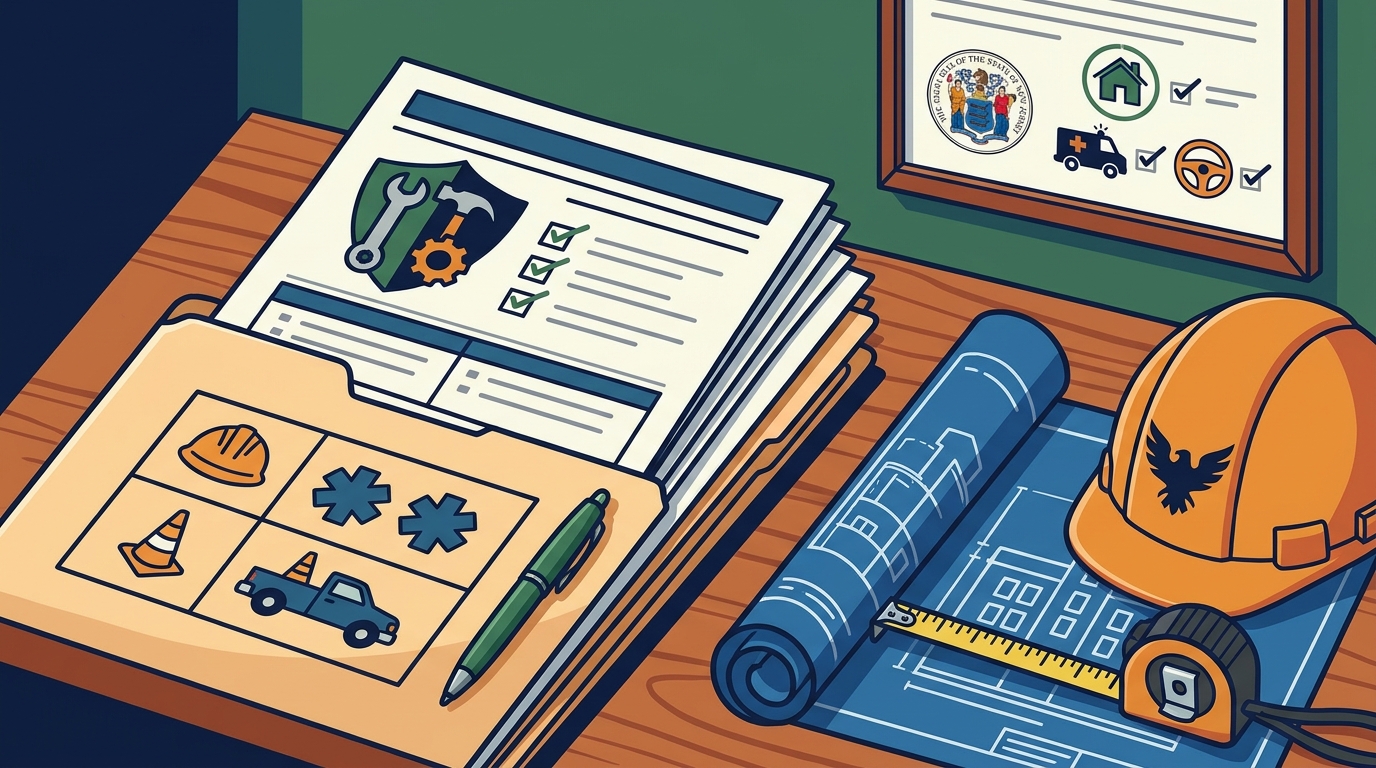
Working with an uninsured contractor creates severe financial and legal risks. If an accident happens, you may be sued for negligence. Courts often hold property owners liable for injuries that occur on their premises, especially if they hired an unlicensed or uninsured worker. This can result in paying thousands of dollars in medical bills and legal fees.
Furthermore, uninsured contractors often cut corners on safety protocols. They may lack proper training or equipment, increasing the likelihood of accidents. This not only endangers workers but also puts your home at risk of damage. By choosing a fully insured contractor like American Home Remodeling, you eliminate these risks and ensure a smooth, professional experience.
Key Takeaways
- General liability insurance protects your property from accidental damage and covers third-party injury claims.
- Workers' compensation is mandatory in New Jersey for employers and protects you from liability for worker injuries.
- Commercial auto insurance covers business vehicles, which personal policies do not.
- Always request a Certificate of Insurance (COI) before signing a contract.
- Verify the policy expiration date covers the entire duration of your project.
- Call the insurance carrier to confirm the policy is active and valid.
Frequently Asked Questions
What is the minimum general liability coverage for a NJ contractor?
Do I need to verify workers' compensation if the contractor is a sole proprietor?
Yes. If the contractor has employees, they must carry workers' compensation. If they are a sole proprietor with no employees, they may be exempt, but you should still ask for proof of general liability insurance to protect your property.
What should I do if a contractor refuses to provide a COI?
Do not hire them. A refusal to provide proof of insurance is a major red flag indicating they are likely uninsured. This exposes you to significant legal and financial risk.
Does my homeowner's insurance cover damage caused by a contractor?
Generally, no. Your homeowner's policy covers damage to your home from covered perils, but it does not cover damage caused by a contractor's negligence. The contractor's general liability insurance is responsible for this.
How often should I check the contractor's insurance?
Check the Certificate of Insurance before work begins and again if your project extends beyond the policy expiration date. Policies can lapse, so regular verification ensures continuous coverage.