
The Thermal Envelope Upgrade
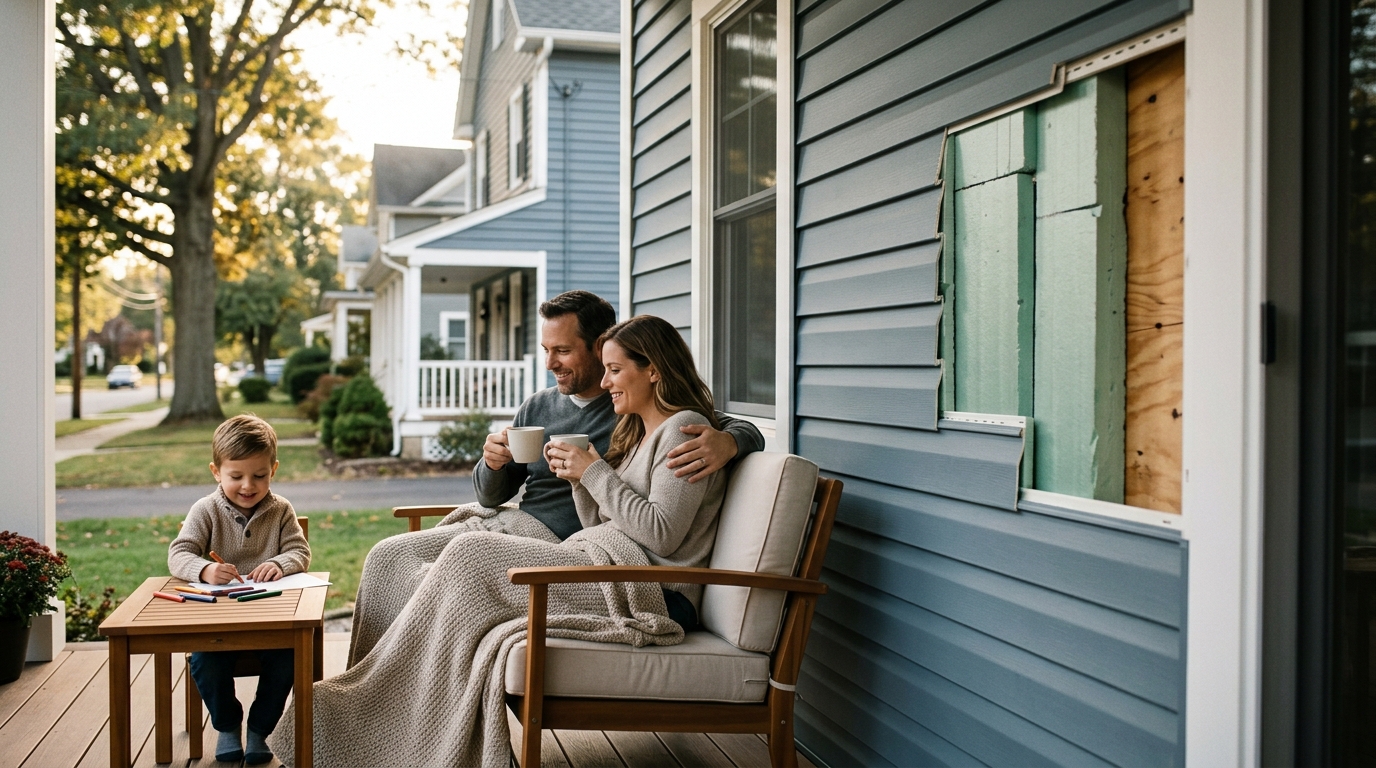
Exterior wall insulation is a critical component of your home's thermal envelope, which acts as a barrier against heat transfer. Many older homes in New Jersey were built with inadequate wall insulation, leading to excessive heat loss in the winter and heat gain in the summer. According to the Building America Solution Center, many home walls have inadequate insulation resulting in excessive heat loss in the winter and heat gain in the summer. By adding rigid foam insulation or spray foam during a re-siding project, you create a continuous layer of resistance that significantly improves your home's R-value.
This upgrade is particularly effective for masonry walls, which are common in the region. The Building America Solution Center notes that masonry walls often lack sufficient insulation, making them prime candidates for exterior upgrades. When you add insulation behind new siding, you are not just changing the look of your home; you are fundamentally altering how it interacts with the outside environment.
Energy Savings and Comfort
The primary financial benefit of adding insulation behind siding is the reduction in utility bills. The U.S. Department of Energy's ENERGY STAR program states that sealing air leaks and adding insulation can help your home be more comfortable and energy efficient. When your walls are better insulated, your HVAC system does not have to work as hard to maintain a consistent indoor temperature. This leads to lower energy consumption and reduced wear and tear on your heating and cooling equipment.
Comfort is another major advantage. Poorly insulated walls can create cold spots in the winter and hot spots in the summer. By adding insulation, you eliminate these temperature variations, creating a more uniform and comfortable living environment. The ENERGY STAR program highlights that sealing leaks and adding insulation can improve the overall comfort of your home and help fix common problems like drafts and humidity issues.
Moisture Control and Durability
Proper insulation installation also plays a crucial role in moisture control. The ENERGY STAR program notes that sealing leaks and adding insulation can help with better humidity control and a lower chance for ice dams on the roof in snowy climates. In New Jersey, where winters can be harsh, ice dams are a common problem that can cause significant damage to your roof and gutters. By improving your home's insulation, you help prevent the temperature fluctuations that lead to ice dam formation.
Installation Methods and Considerations
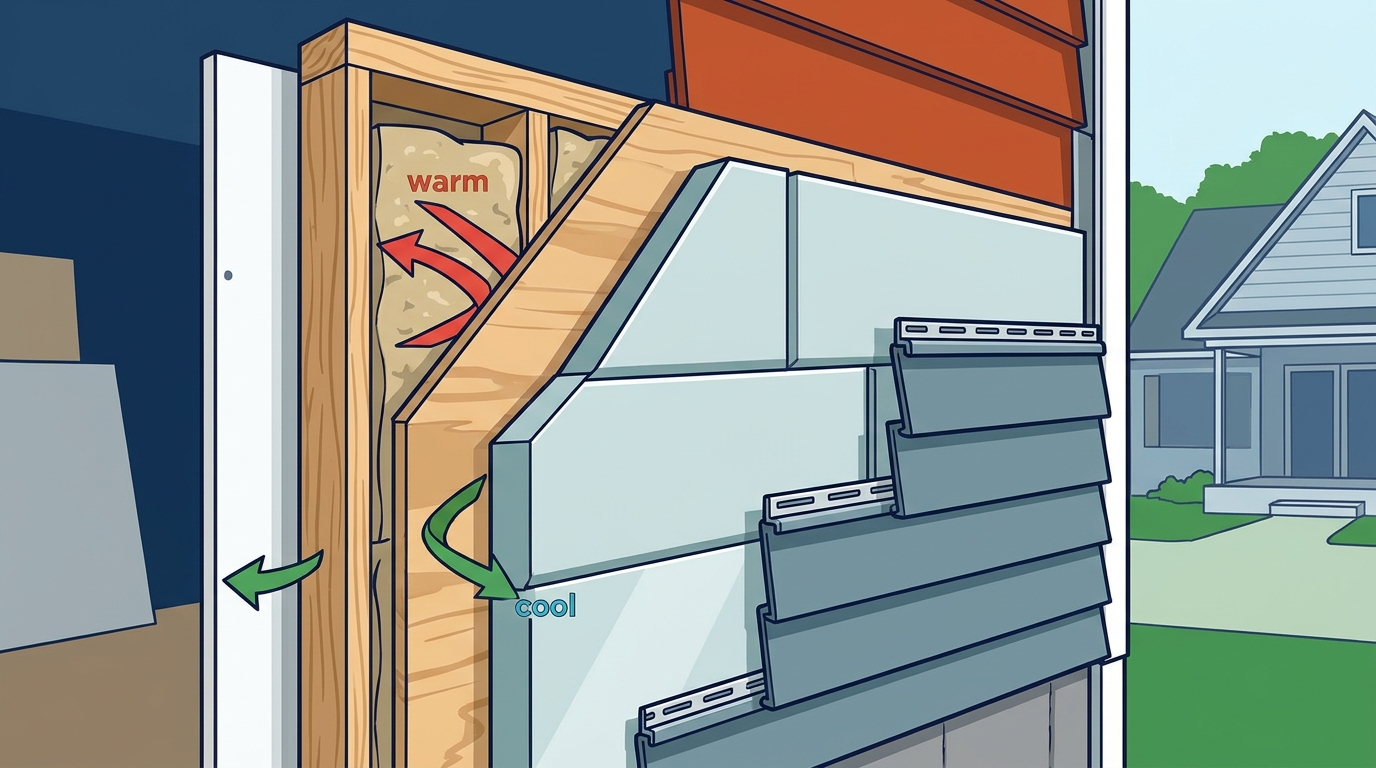
There are several methods for adding insulation behind new siding, each with its own advantages and considerations. One common method is the use of rigid foam insulation, which is installed over the existing exterior walls. The Building America Solution Center describes this method as a way to improve efficiency and comfort during re-siding projects. Rigid foam insulation provides a high R-value per inch and can be easily cut to fit around windows and doors.
Another method is the use of spray foam insulation, which is applied directly to the exterior walls. The Building America Solution Center notes that spray foam insulation can be applied over the siding of existing exterior walls, providing an airtight seal and high R-value. This method is particularly effective for sealing air leaks and providing a continuous layer of insulation. When choosing an installation method, it is important to consider factors such as your budget, the condition of your existing walls, and your long-term energy efficiency goals.
Professional Installation for Optimal Results
While the benefits of adding insulation behind new siding are clear, the installation process requires professional expertise to ensure optimal results. American Home Remodeling has over 40 years of experience in home remodeling and renovation, and our team of experts is well-versed in the latest insulation technologies and installation techniques. We work with homeowners throughout New Jersey to assess their specific needs and recommend the best insulation solutions for their homes.
When you choose American Home Remodeling for your re-siding project, you can be confident that your insulation will be installed correctly and in compliance with local building codes. Our team takes the time to explain the different insulation options available and helps you make an informed decision based on your budget and goals. We also provide a comprehensive warranty on our work, giving you peace of mind knowing that your investment is protected. according to Value Savings Insulation
Key Takeaways
- Adding insulation behind new siding significantly improves your home's energy efficiency and reduces utility bills.
Exterior wall insulation is a critical component of your home's thermal envelope, acting as a barrier against heat transfer.
Proper insulation installation helps with moisture control and prevents issues like ice dams and humidity problems.
There are several methods for adding insulation behind siding, including rigid foam and spray foam, each with its own advantages.
Professional installation is essential to ensure that your insulation performs as intended and complies with local building codes.
American Home Remodeling offers expert re-siding and insulation services for homeowners throughout New Jersey.
Frequently Asked Questions
What is the best type of insulation to add behind new siding?
The best type of insulation depends on your specific needs and budget. Rigid foam insulation is a popular choice for its high R-value and ease of installation, while spray foam insulation provides an airtight seal and is effective for sealing air leaks. American Home Remodeling can help you determine the best option for your home.
How much can I save on my energy bills by adding insulation behind siding?
The amount you save on your energy bills will depend on factors such as your current insulation levels, your climate, and your energy usage. However, the U.S. Department of Energy's ENERGY STAR program states that sealing air leaks and adding insulation can help your home be more comfortable and energy efficient, leading to lower utility bills.
Is it worth adding insulation behind siding if my home is already insulated?
Yes, it can still be worth adding insulation behind siding if your home is already insulated, especially if your current insulation is inadequate or outdated. Upgrading your insulation can further improve your home's energy efficiency and comfort. American Home Remodeling can assess your current insulation levels and recommend the best upgrade options for your home.
How long does it take to add insulation behind new siding?
The time it takes to add insulation behind new siding depends on the size of your home and the method of installation. On average, a re-siding project with insulation can take several days to a week to complete. American Home Remodeling will provide you with a detailed timeline for your project during the initial consultation. according to Recommended Home Insulation
Do I need a permit to add insulation behind new siding?
In most cases, yes, you will need a permit to add insulation behind new siding. Local building codes require that insulation be installed in compliance with specific standards and regulations. American Home Remodeling handles all permit requirements for our clients, ensuring that your project is completed in accordance with local codes.
Conclusion
Adding insulation behind new siding is a smart investment that can significantly improve your home's energy efficiency, comfort, and durability. By upgrading your home's thermal envelope, you can reduce your utility bills, prevent moisture problems, and create a more comfortable living environment. American Home Remodeling is your trusted partner for re-siding and insulation projects in New Jersey. Contact us today to schedule a consultation and learn more about how we can help you transform your home.