
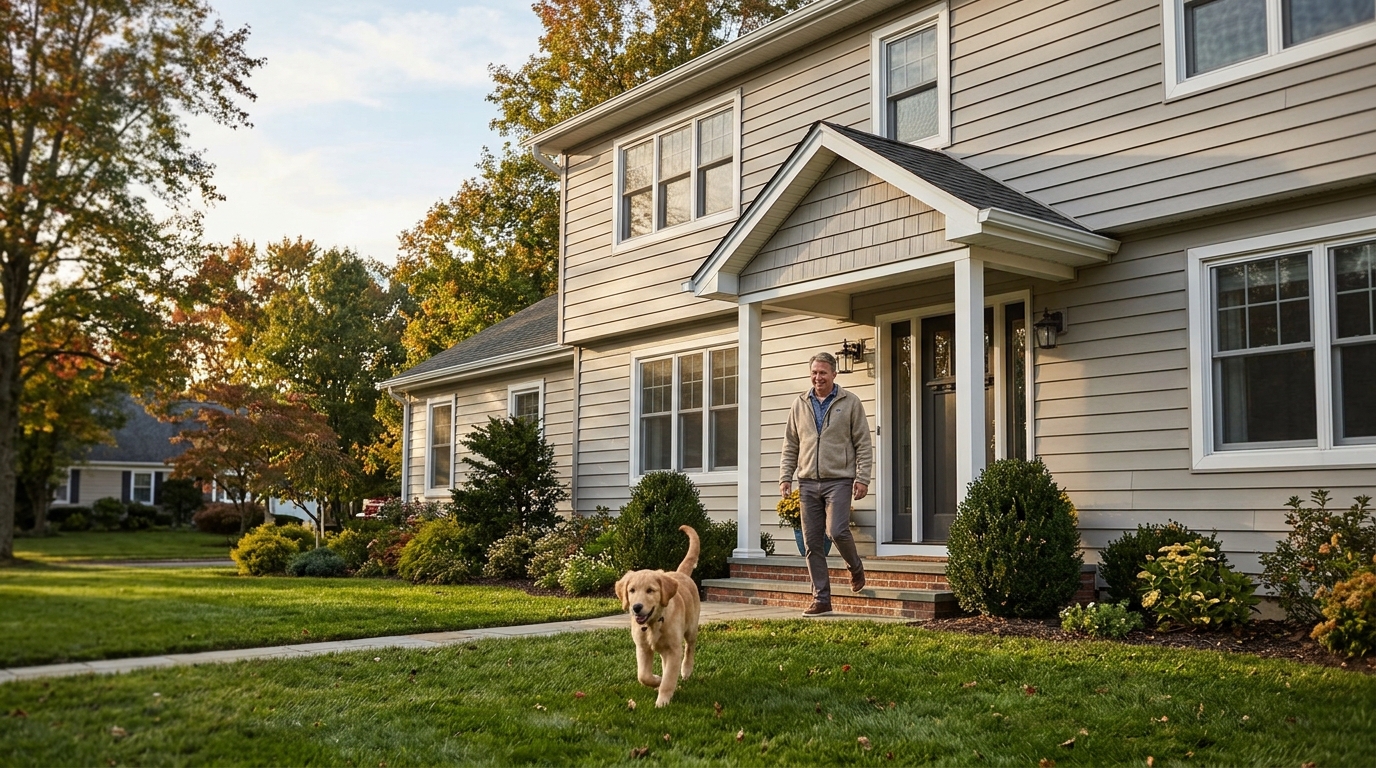
Insulated siding is a composite exterior cladding system that combines a rigid foam insulation layer with a vinyl or aluminum face. For New Jersey homeowners, this product is among the most effective way to improve energy efficiency without the cost of a full exterior wall rebuild. It works best in homes with existing vinyl or aluminum siding that is in good condition, allowing for a direct retrofit that significantly reduces heat loss during the harsh Tri-State winters. For additional details, review the Contact Us American Home.
Understanding the Insulated Siding System
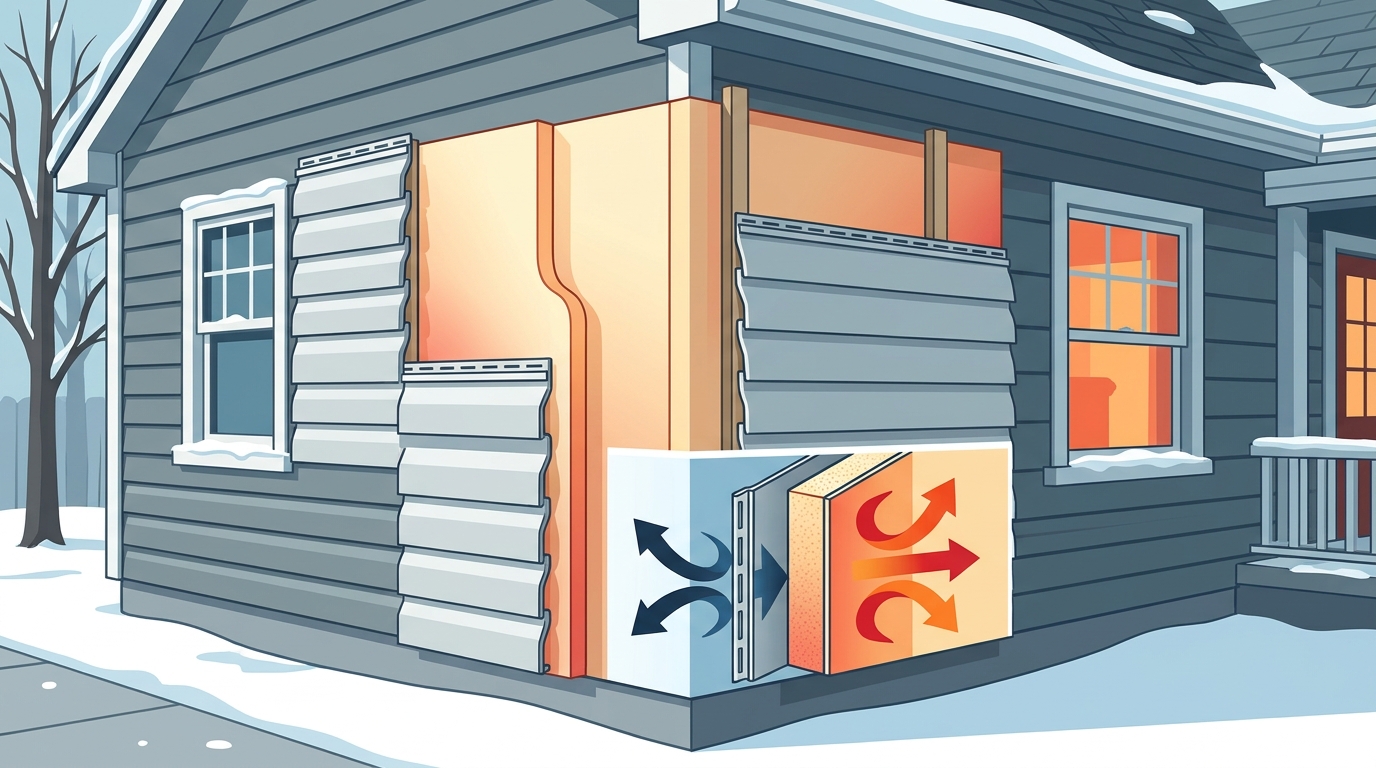
Insulated siding is a factory-attached system where a layer of rigid foam is bonded to the back of the siding panel. This design creates a continuous thermal barrier that breaks the thermal bridge of the studs. In New Jersey, where temperature swings can be extreme, this continuous insulation is critical for maintaining a stable indoor environment. The foam layer also acts as a sound barrier, reducing outside noise from traffic or wind. For additional details, review the Customer Reviews for Home.
The primary benefit of this system is its ability to improve the R-value of the exterior wall. By adding a layer of foam, you are effectively increasing the insulation value of the entire wall assembly. This is particularly useful for older homes in the region that may have outdated or insufficient insulation in the wall cavities. The system is designed to be installed over existing siding, which means you do not need to tear down the entire exterior to achieve these energy savings. For additional details, review the About Us American Home.
R-Value and Climate Suitability
When selecting insulated siding, the R-value is the most important metric to consider. R-value measures the material's resistance to heat flow, with higher numbers indicating better insulation. For New Jersey's climate, which falls into Energy Star Zone 4 or 5, an R-value of 4 to 5 is generally recommended for optimal performance. This level of insulation helps keep heat inside during the winter and outside during the summer. For additional details, review the Essential Tips for Successful.
It is important to note that the R-value of insulated siding is additive to the existing wall insulation. If your home already has fiberglass batts in the walls, the insulated siding adds to that value. This combined effect can lead to significant reductions in heating and cooling costs. Homeowners in colder parts of New Jersey, such as Bergen or Sussex counties, may benefit from the higher R-value options available in the market.
Material Options and Durability
Insulated siding is typically available with either vinyl or aluminum face materials. Vinyl is among the most common choice due to its lower cost and wide range of colors and styles. It is durable and requires minimal maintenance, making it a popular option for New Jersey homeowners. Aluminum, on the other hand, is more resistant to impact and is often chosen for its sleek, modern appearance. It is also more fire-resistant, which can be a consideration for some homeowners.
Installation Considerations for NJ Homes
Installing insulated siding is a specialized task that requires professional expertise. The process involves removing the existing siding, inspecting the sheathing for damage, and then installing the new insulated panels. It is crucial to ensure that the underlying structure is sound before proceeding with the installation. Any signs of rot or water damage should be addressed before the new siding is put in place.
Cost and Return on Investment
Insulated siding is a premium product, and its cost reflects the added value of the integrated insulation. The price per square foot is higher than standard vinyl siding, but the long-term savings on energy bills can offset the initial investment. The exact cost will depend on the size of the home, the type of material chosen, and the complexity of the installation. Homeowners should obtain multiple quotes to ensure they are getting a fair price for the work.
In addition to energy savings, insulated siding can also increase the resale value of your home. Energy efficiency is a major selling point for buyers, and a home with insulated siding is likely to command a higher price on the market. The improved curb appeal and durability of the siding also contribute to its value. For many New Jersey homeowners, the combination of energy savings and increased property value makes insulated siding a worthwhile investment.
Key Takeaways
- Insulated siding is a factory-attached system that combines rigid foam insulation with a vinyl or aluminum face.
- It is most effective in homes with existing vinyl or aluminum siding that is in good condition.
- An R-value of 4 to 5 is generally recommended for New Jersey's climate to achieve optimal energy efficiency.
- The R-value of insulated siding is additive to the existing wall insulation, leading to greater overall performance.
- Professional installation is essential to ensure proper sealing and fastening, which is critical for moisture protection.
- The long-term energy savings and increased property value can offset the higher upfront cost of insulated siding.
Frequently Asked Questions
Can I install insulated siding over my existing wood siding?
Generally, no. Insulated siding is designed to be installed over existing vinyl or aluminum siding. Wood siding is not a suitable base for this type of product. If you have wood siding, you would need to remove it and install a new substrate before applying insulated siding.
How much can I save on my energy bills with insulated siding?
The amount of savings will vary depending on your current insulation levels, the R-value of the new siding, and your local energy rates. However, many homeowners report a reduction in heating and cooling costs of 10% to 20% after installing insulated siding.
Is insulated siding more expensive than standard vinyl siding?
Yes, insulated siding is more expensive than standard vinyl siding due to the added cost of the foam insulation layer. However, the long-term energy savings can help offset the higher initial investment over time.
Does insulated siding require special maintenance?
No, insulated siding requires the same minimal maintenance as standard vinyl or aluminum siding. Regular cleaning with water and a mild detergent is usually sufficient to keep it looking its best.
Will insulated siding help with soundproofing?
Yes, the foam insulation layer in insulated siding acts as a sound barrier, which can help reduce outside noise from traffic, wind, or other sources. This can be a significant benefit for homes located near busy roads or in windy areas.
Conclusion
Choosing the right insulated siding for your New Jersey home is a significant decision that can impact your comfort, energy costs, and property value. By understanding the different material options, R-values, and installation considerations, you can make an informed choice that meets your specific needs. For expert guidance and high-quality installation, American Home Remodeling offers professional siding services across the Tri-State area, ensuring your home is protected and energy-efficient for years to come.