
Understanding the Core Siding Material Categories
Climate Resilience in New Jersey
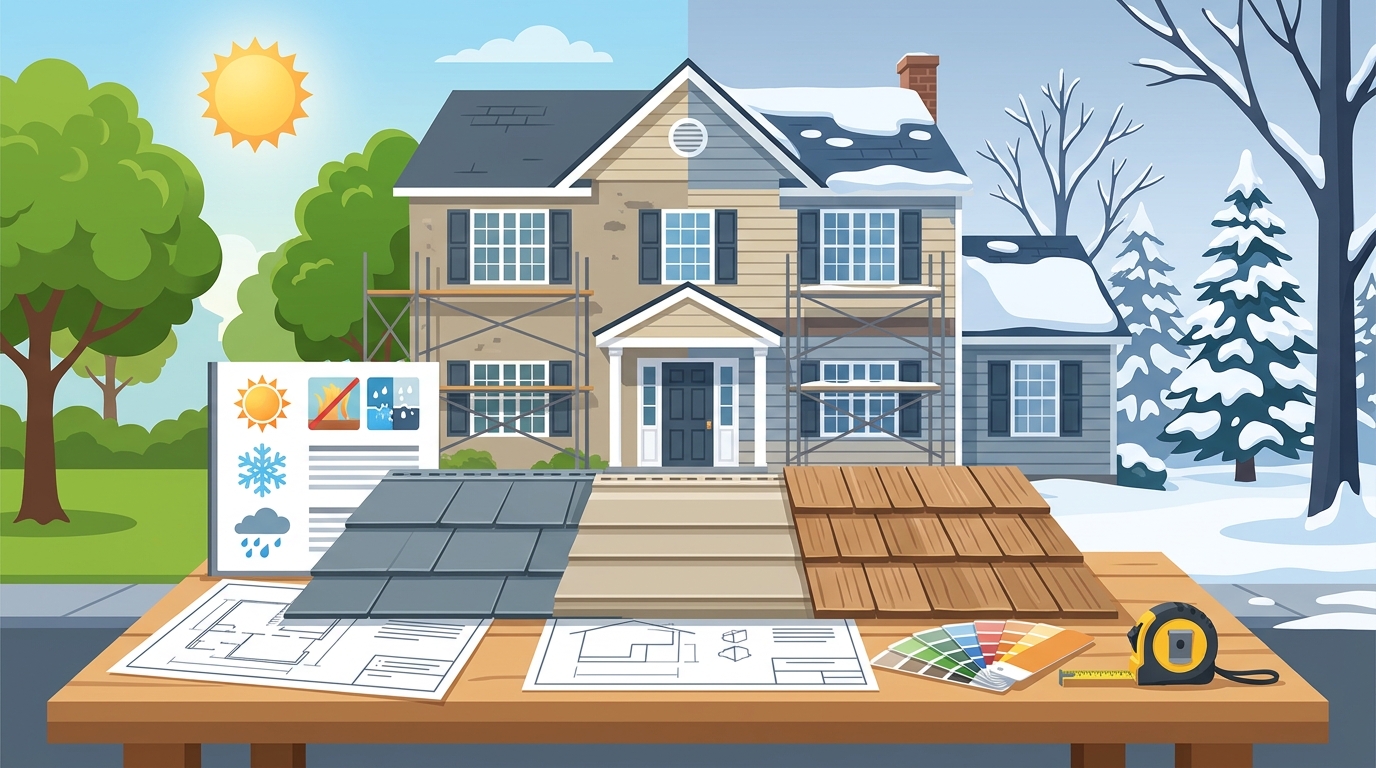
New Jersey's climate presents unique challenges for exterior cladding. The state experiences significant temperature swings, from freezing winters to humid summers. Siding materials must expand and contract without cracking or warping. Fiber cement is particularly well-suited for this environment because it is dimensionally stable and resistant to moisture absorption. Vinyl can become brittle in extreme cold, though modern formulations have improved flexibility. Wood is susceptible to swelling and shrinking, which can lead to gaps and water intrusion if not properly maintained.
Moisture management is another critical factor. New Jersey's humidity levels can promote mold and mildew growth on porous surfaces. Non-porous materials like vinyl and properly sealed fiber cement resist these issues better than untreated wood. When selecting materials, consider the local weather patterns in your specific county, from Bergen to Ocean. American Home Remodeling has extensive experience with these regional variations and can advise on the most resilient options for your location.
Energy Efficiency and Insulation Properties
Improving energy efficiency can lower utility bills and increase comfort. Homeowners should consider the total cost of ownership, including potential energy savings. A more expensive material that reduces heating and cooling costs may pay for itself over time. American Home Remodeling can help you understand the energy implications of different siding choices and how they align with your long-term goals for your home.
Maintenance Commitments and Longevity
The maintenance requirements of siding materials vary significantly. Vinyl siding is the lowest maintenance option, typically requiring only occasional cleaning with water and mild detergent. Fiber cement siding requires periodic repainting every 10 to 15 years to maintain its protective coating and appearance. Wood siding demands the most attention, needing scraping, sanding, and repainting every 3 to 5 years. Engineered wood falls in the middle, requiring less frequent painting than natural wood but more than vinyl.
Longevity is a key consideration. Vinyl siding can last 20 to 40 years, depending on quality and exposure. Fiber cement siding can last 50 years or more with proper maintenance. Wood siding can last decades if meticulously maintained, but neglect leads to rot and structural issues. Understanding these timelines helps you plan for future costs. American Home Remodeling provides clear guidance on maintenance expectations for each material, ensuring you are prepared for the long term.
Cost Considerations and Value
When evaluating cost, consider the total cost of ownership over the material's lifespan. A cheaper material that requires frequent replacement or maintenance may cost more over 30 years than a pricier, durable option. American Home Remodeling provides detailed estimates that break down material and labor costs, helping you make an informed decision based on your budget and long-term value goals.
Key Takeaways
- Vinyl siding is the most affordable and low-maintenance option, suitable for budget-conscious homeowners.
- Wood siding provides a classic aesthetic but requires the highest level of ongoing maintenance.
- Energy efficiency can be enhanced by choosing siding systems with integrated insulation.
- Longevity varies by material, with fiber cement often outlasting vinyl and wood.
- Consult with a local expert to match siding materials to your specific home and climate needs.
Frequently Asked Questions
What is the most durable siding material for New Jersey?
Fiber cement is widely considered the most durable siding material for New Jersey due to its resistance to rot, insects, and moisture. It handles temperature fluctuations well and can last 50 years or more with proper maintenance.
How long does vinyl siding last?
Vinyl siding typically lasts between 20 and 40 years. Its lifespan depends on the quality of the material, the installation process, and exposure to extreme weather conditions.
Is fiber cement siding worth the extra cost?
Can I install siding over my existing siding?
In some cases, new siding can be installed over existing layers, but this depends on the condition of the underlying structure and local building codes. It is best to consult with a professional to assess your specific situation.
What siding material is best for energy efficiency?
How often does wood siding need to be painted?
Wood siding typically requires repainting every 3 to 5 years. The frequency depends on the type of wood, the climate, and the quality of the paint and preparation.
Ready to Transform Your Home?
Choosing the right siding is a significant investment in your home's future. American Home Remodeling brings over 40 years of experience to help you make the best decision. Our team of experts will guide you through the options, ensuring you select a material that fits your budget, aesthetic, and climate needs. To start your project, contact our team for a free consultation and detailed estimate.