
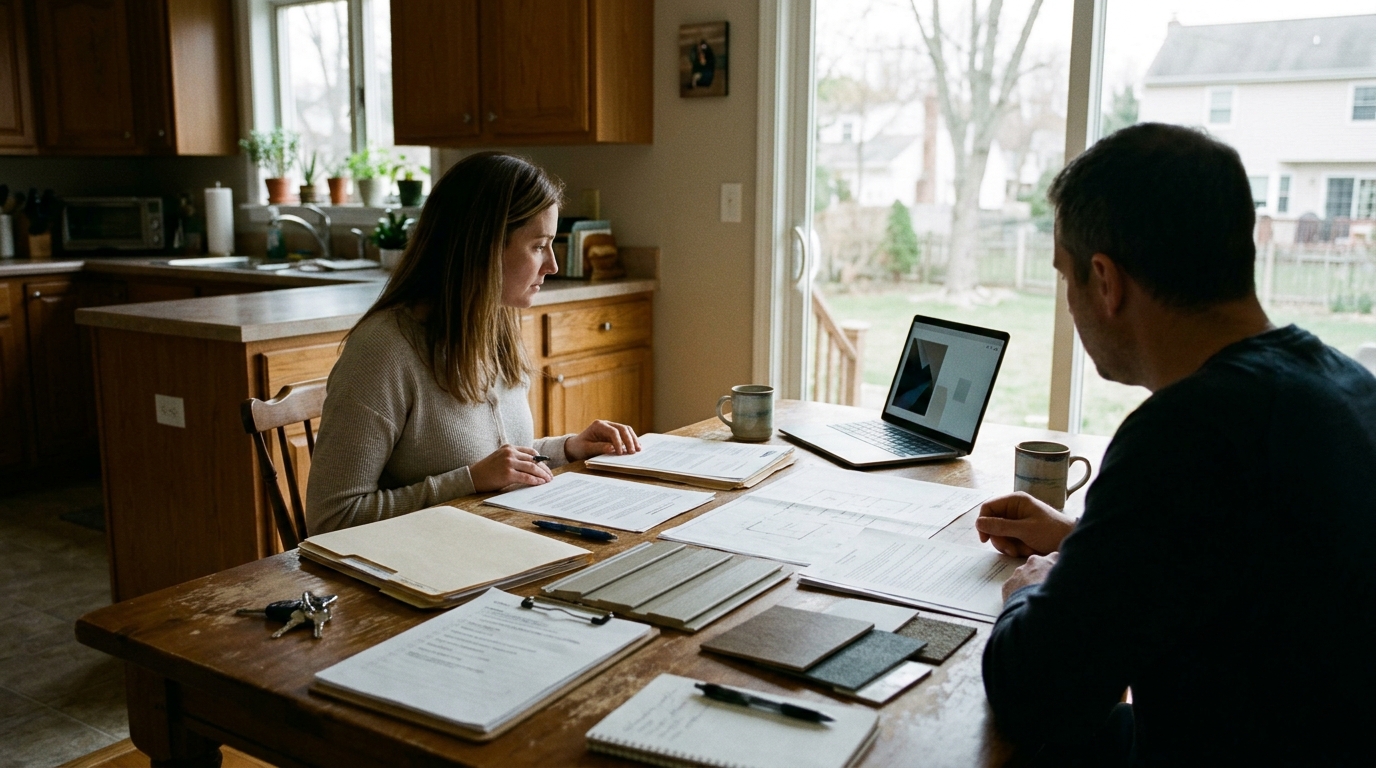
Selecting the right professional for your home renovation requires more than comparing price quotes. You must verify legal standing, financial stability, and technical expertise to protect your investment. American Home Remodeling is a New Jersey home remodeling and renovation contractor, providing the transparency and craftsmanship needed to navigate these critical vetting steps with confidence.
1. Verify State Licensing and Insurance
Confirm the contractor holds a valid New Jersey Home Improvement Contractor (HIC) license.
Every legitimate remodeling company in New Jersey must be registered with the Division of Consumer Affairs. You can verify this status through the state's online database to ensure the business is legally authorized to operate. Additionally, request proof of general liability insurance and workers' compensation coverage. This protects you from financial liability if a worker is injured on your property or if accidental damage occurs during the project.
2. Review Local Project History
Examine a portfolio of completed projects within your specific county.
New Jersey construction varies significantly by region, from the historic homes in Bergen County to the coastal properties in Ocean County. A contractor who has successfully completed similar projects in your area understands local building codes, soil conditions, and permitting requirements. Ask to see recent photos or visit a completed job site to assess the quality of their finish work and attention to detail.
3. Analyze Written Contract Details
A professional contract should explicitly list materials, brands, and colors, along with a clear timeline for completion. Avoid contractors who demand large upfront payments or work without a written agreement. The payment schedule should align with project milestones, such as the completion of framing or the installation of fixtures, rather than arbitrary dates. This structure ensures you only pay for work that has been verified and completed to your satisfaction.
4. Check for Permits and Code Compliance
Confirm the contractor is responsible for pulling all necessary permits.
Permits are a legal requirement for structural changes, electrical work, and plumbing modifications in New Jersey. A reputable contractor will handle the permit process and ensure all work passes municipal inspections. If a contractor suggests skipping permits to save money, walk away immediately. Unpermitted work can cause serious issues when you eventually sell your home and may violate local safety codes.
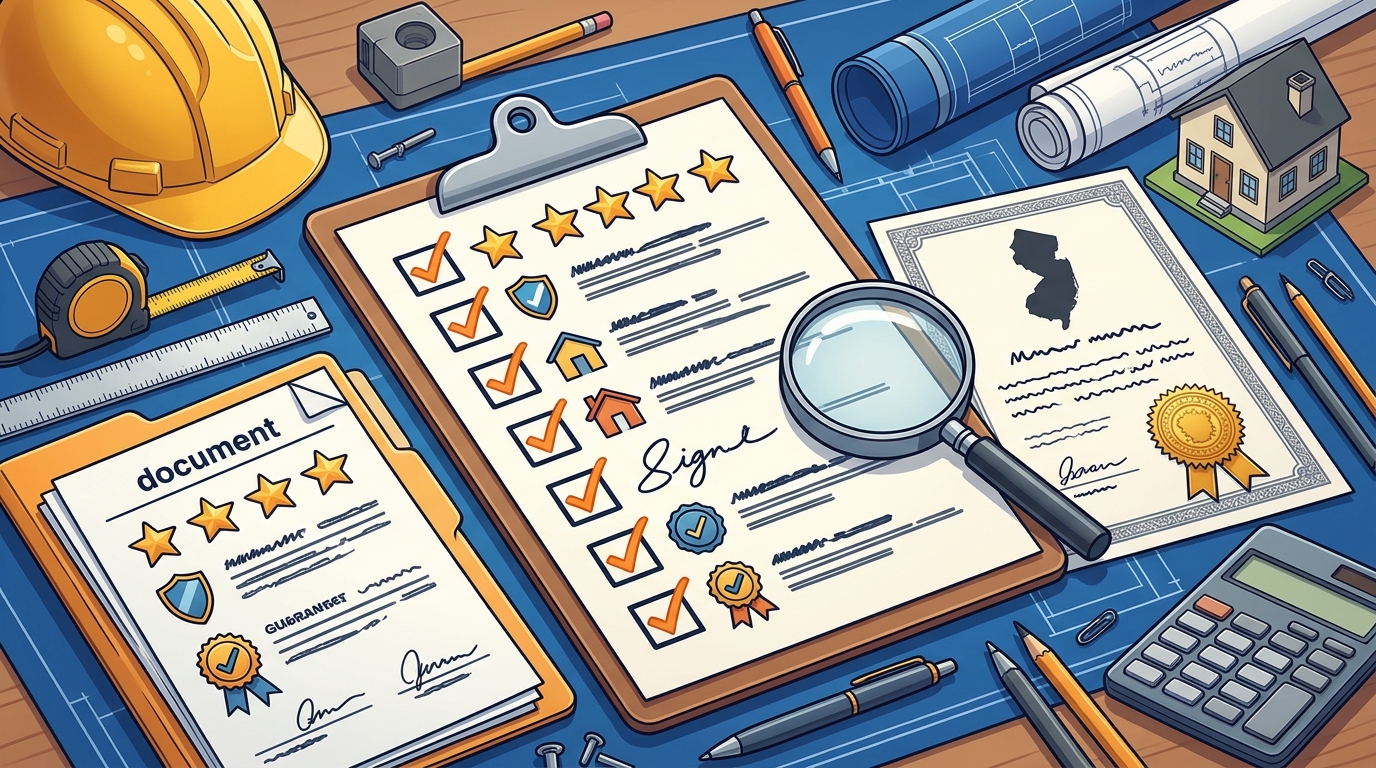
5. Evaluate Communication and Responsiveness
Test how quickly and clearly the team responds to your inquiries.
Effective communication is the backbone of a successful renovation. During the initial consultation, note how promptly they return calls or emails and how clearly they explain technical concepts. A contractor who is difficult to reach before the project starts will likely be even harder to find during critical decision points. You need a partner who keeps you informed of progress, potential delays, and any changes to the plan.
6. Investigate Financial Stability
Research the company's longevity and financial health.
Remodeling projects can take weeks or months to complete. You need a contractor who will still be in business when the job is done. Check how long the company has been operating and look for any history of lawsuits or liens. A stable company with a long track record, such as American Home Remodeling, is less likely to abandon a project or leave you with unfinished work. Financial stability also often correlates with better project management and resource availability.
7. Read Recent Customer Reviews
Look for patterns in feedback regarding professionalism and quality.
Online reviews provide insight into the contractor's day-to-day operations. Read recent reviews to see if customers praise the cleanliness of the job site, the respect shown to the home, and the adherence to the timeline. Pay attention to how the company responds to negative feedback. A professional team will address complaints calmly and offer solutions, demonstrating a commitment to customer satisfaction even when things do not go perfectly.
The Final Rule for Selection
When comparing contractors, prioritize trust and transparency over the lowest bid. The cheapest option often hides risks in subpar materials or unlicensed labor. Choose the professional who provides the clearest answers, the most detailed contract, and the strongest local reputation. Your home is a major investment, and the right partner will treat it with the same care you do.
Frequently Asked Questions
Is a license required for all remodeling work in New Jersey?
Yes, any contractor performing home improvement work in New Jersey must be licensed by the Division of Consumer Affairs. This includes structural changes, roofing, siding, and interior renovations. You can verify a license number through the state's online portal to ensure the contractor is in good standing.
How much should I pay upfront for a remodeling project?
It is generally recommended to keep upfront payments low, often around 10% to 20% of the total contract value. The remainder should be paid in installments tied to completed milestones. Be wary of any contractor who demands full payment before work begins, as this removes your leverage to ensure quality.
What is the difference between a general contractor and a specialty contractor?
A general contractor manages the entire project, coordinating multiple trades and handling permits. A specialty contractor focuses on a specific trade, such as roofing or plumbing. For large renovations, a general contractor is often preferred because they provide a single point of contact and assume responsibility for the overall timeline and coordination.
How can I verify if a contractor has insurance?
Request a Certificate of Insurance (COI) directly from the contractor's insurance provider. This document should list the contractor as the insured party and specify the types of coverage, including general liability and workers' compensation. You can also call the insurance company to verify that the policy is active and covers the specific work being performed.
What should I do if a contractor does not pull permits?
If a contractor refuses to pull permits, you should terminate the contract and report the issue to the local building department. Unpermitted work can result in fines, forced demolition, or difficulties when selling the property. Always insist that permits are a non-negotiable part of the agreement before any work begins.