
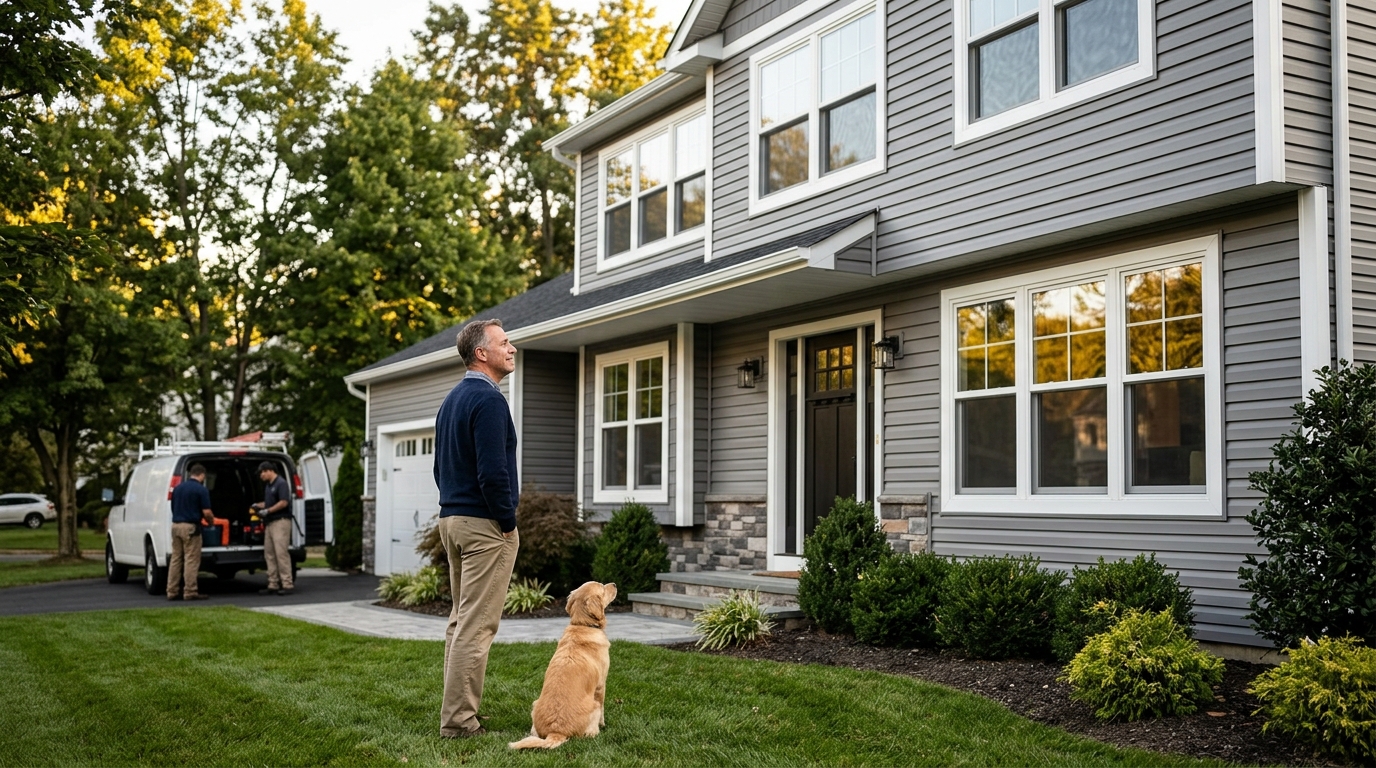
Essential Qualifications and Credentials for Window and Siding Contractors in New Jersey
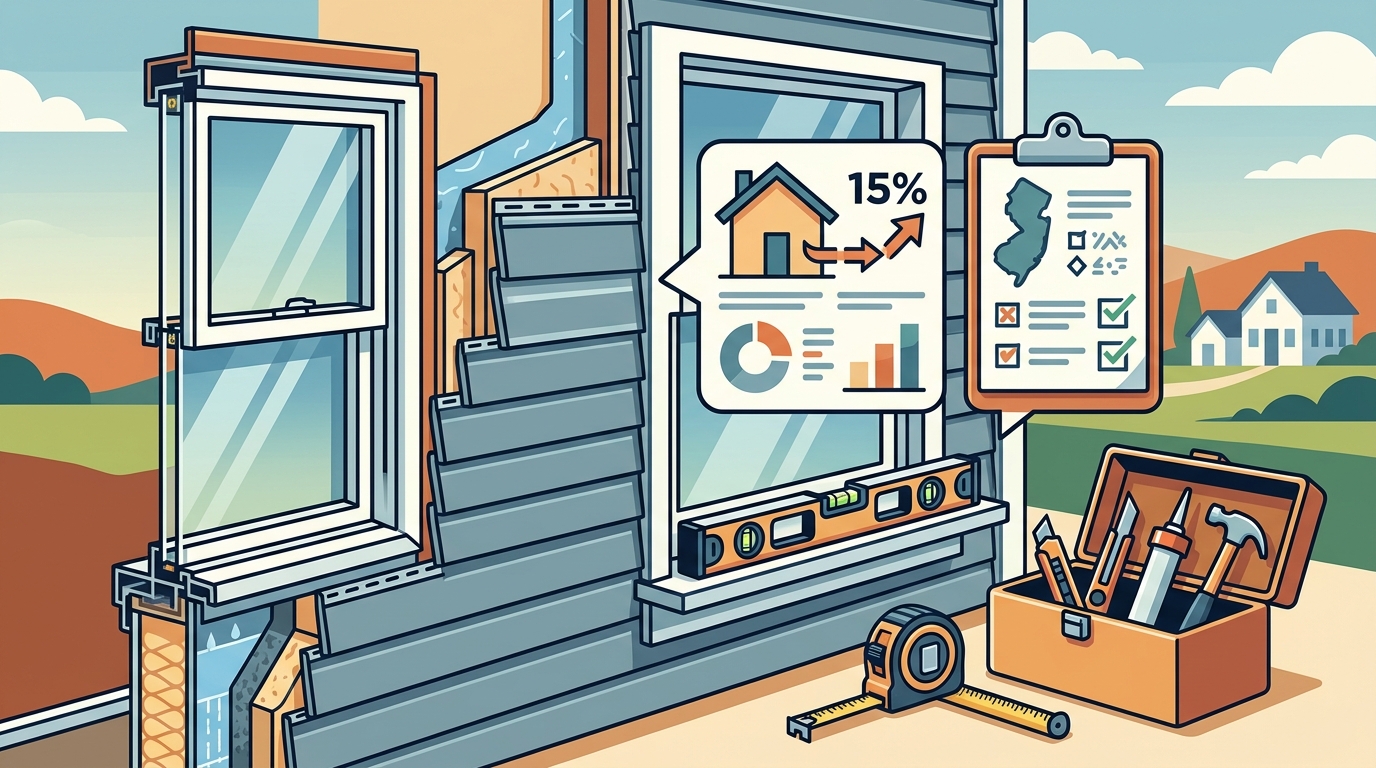
Homeowners in New Jersey face unique environmental challenges that demand rigorous standards for exterior renovations. According to recent industry data, proper installation of siding and windows can reduce energy loss by up to 15 percent, significantly impacting utility bills and home comfort. This statistic highlights why selecting a qualified contractor is not merely a preference but a financial necessity for property preservation. When evaluating potential partners for these critical upgrades, understanding the specific legal and technical requirements in the Garden State is paramount. (Customer Reviews for Home)
Legal and Licensing Requirements
Operating as a home improvement contractor in New Jersey requires strict adherence to state regulations. The New Jersey Home Improvement Contractors Act (HICA) mandates that any business performing work on residential properties must be registered with the state. This registration ensures that the contractor has met specific financial and operational thresholds designed to protect consumers from fraud and substandard work. (Expert Home Remodeling Roofing)
When vetting a company, you should always request their HICA registration number. A valid registration indicates that the business is authorized to operate legally and has posted the required surety bond. This bond serves as a financial safety net, providing recourse if the contractor fails to complete the job or violates consumer protection laws. Without this registration, a company is operating illegally, leaving you with no state-backed protection.
Furthermore, many reputable firms, such as American Home Remodeling, have established long-standing reputations by maintaining active compliance with these regulations for decades. Their history of serving over 20,000 customers demonstrates a commitment to regulatory adherence and customer satisfaction. Always verify that the contractor's license is current and covers the specific type of work you are undertaking, whether it is siding installation or window replacement.
Insurance and Liability Protections
Exterior renovations involve significant risk, from falling debris to potential damage to your existing property structure. Therefore, a qualified contractor must carry comprehensive insurance coverage. This typically includes general liability insurance and workers' compensation insurance. General liability protects your home from accidental damage during the project, while workers' compensation covers medical costs if a worker is injured on your property.
If a contractor lacks workers' compensation insurance, you could be held liable for any injuries sustained by their employees. This scenario can lead to substantial legal fees and medical bills that fall directly on the homeowner. Always ask for a Certificate of Insurance (COI) and verify that the policy is active and sufficient for the scale of your project. A trustworthy provider will provide this documentation without hesitation.
Additionally, look for contractors who offer robust warranty structures. Warranties are not just paperwork; they are a testament to the quality of materials and workmanship. Companies that stand behind their work for extended periods, often covering both materials and labor, demonstrate confidence in their installation processes. This level of assurance is a key indicator of a professional operation versus a fly-by-night crew.
Technical Expertise and Materials
Understanding the technical aspects of siding and windows is crucial for evaluating a contractor's competence. Siding is a weather-resistant barrier that protects the structural integrity of your home from moisture, pests, and temperature fluctuations. Proper installation requires precise flashing, moisture management, and ventilation techniques to prevent rot and mold growth within the wall cavities.
Similarly, windows are critical components of a home's thermal envelope. They regulate heat gain and loss, impacting both comfort and energy efficiency. A qualified contractor must understand the specific requirements for different window types, such as vinyl, fiberglass, or wood, and how they interact with your home's existing framing. They should be able to explain the R-value, U-factor, and Solar Heat Gain Coefficient (SHGC) relevant to your specific climate zone in New Jersey.
Experienced contractors also stay updated on the latest material technologies. For instance, modern siding options offer enhanced durability and aesthetic versatility compared to traditional materials. They should be able to guide you through the pros and cons of various options, such as fiber cement, engineered wood, or premium vinyl. This knowledge ensures that you make informed decisions that align with your budget and long-term maintenance goals.
Local Compliance and Permits
New Jersey municipalities have varying building codes and permit requirements. A qualified contractor must be familiar with the local regulations in your specific township or county. This includes understanding zoning laws, historical district restrictions, and energy code compliance. Failure to obtain the necessary permits can result in fines, forced removal of the work, and complications when selling your home.
Professional contractors handle the permit acquisition process on your behalf. They ensure that the installation meets all local building codes, which are designed to ensure safety and structural integrity. For example, in areas prone to high winds, specific anchoring and fastening requirements may apply to siding and windows. A knowledgeable contractor will anticipate these needs and incorporate them into the project plan.
Moreover, local compliance extends to waste disposal and environmental regulations. Proper disposal of old siding and windows is essential to prevent environmental contamination. Reputable companies follow strict protocols for recycling and disposing of construction debris, ensuring that your project does not negatively impact the local ecosystem.
Financing and Warranty Structures
Home improvement projects often require significant financial investment. Qualified contractors should offer transparent and flexible financing options to make these upgrades accessible. This might include partnerships with lending institutions to provide low-interest loans or deferred payment plans. Understanding the terms of these financing options is crucial for managing your household budget effectively.
For instance, some companies offer 100 percent financing for qualified customers, with options for 0 percent interest for a specified period. This can alleviate the immediate financial burden and allow homeowners to proceed with necessary upgrades without depleting their savings. Always review the fine print of any financing agreement to understand the total cost and any potential penalties for early payoff.
Warranty structures are another critical component of the financial aspect of your project. A comprehensive warranty should cover both materials and labor. It should clearly define what is covered, the duration of the coverage, and the process for making a claim. A reputable contractor will provide a detailed warranty document that outlines these terms, giving you peace of mind for years to come.
Comparing Contractor Qualifications
To help you evaluate potential contractors, here is a summary of key qualifications to look for:
| Qualification Category | Essential Requirement | Why It Matters |
|---|---|---|
| Licensing | Active NJ HICA Registration | Ensures legal operation and consumer protection via surety bonds. |
| Insurance | General Liability & Workers' Comp | Protects homeowner from liability for injuries or property damage. |
| Experience | Minimum 10+ Years in NJ | Demonstrates familiarity with local climates and building codes. |
| Warranty | Lifetime or Extended Coverage | Provides long-term assurance for materials and workmanship. |
| Financing | Transparent Options Available | Makes high-quality upgrades accessible without upfront capital strain. |
Key Takeaways
- HICA Registration is Mandatory: All home improvement contractors in New Jersey must be registered with the state to operate legally.
- Insurance Verification is Critical: Always request and verify a Certificate of Insurance to protect yourself from liability.
- Local Code Knowledge is Essential: Contractors must understand municipal permit requirements and building codes specific to your area.
- Technical Expertise Varies: Look for contractors who can explain thermal envelopes, flashing techniques, and material properties.
- Warranty Depth Indicates Confidence: Comprehensive warranties covering both labor and materials are a sign of a reputable company.
- Financing Options Aid Accessibility: Flexible financing plans can make essential home improvements more manageable for homeowners.
- Long-Term Reputation Matters: Companies with decades of experience, like those serving NJ for over 40 years, offer proven reliability.
Frequently Asked Questions
What is the New Jersey Home Improvement Contractors Act (HICA)?
HICA is a state law that regulates home improvement contractors to protect consumers. It requires contractors to register with the state, post a surety bond, and adhere to specific business practices to ensure fair dealing and quality work.
Do I need a permit for siding or window replacement in New Jersey?
Permit requirements vary by municipality. However, most structural changes or exterior alterations require a building permit. A qualified contractor will typically handle the permit acquisition process to ensure compliance with local codes.
How can I verify a contractor's insurance coverage?
You can request a Certificate of Insurance (COI) directly from the contractor. This document will list the types of coverage, policy limits, and the effective dates. You can also contact the insurance provider directly to verify the policy's validity.
What types of siding materials are best for New Jersey's climate?
Fiber cement, engineered wood, and premium vinyl are popular choices due to their durability and resistance to moisture and temperature fluctuations. The best choice depends on your aesthetic preferences, budget, and specific home requirements.
Why is proper flashing important in siding installation?
Proper flashing directs water away from the home's structure, preventing moisture intrusion that can lead to rot, mold, and structural damage. It is a critical component of the weather-resistant barrier system.
What should a comprehensive warranty cover?
A comprehensive warranty should cover both materials and labor. It should specify the duration of coverage, what is excluded, and the process for filing a claim. This ensures that you are protected against defects and installation errors.
How does window efficiency impact home value?
Energy-efficient windows can reduce utility bills and improve comfort, which are attractive features for potential buyers. They also enhance the overall aesthetic and structural integrity of the home, contributing to a higher property value.
Schedule Your Expert Consultation Today
Choosing the right contractor for your window and siding project is a decision that impacts your home's safety, efficiency, and value for years to come. By prioritizing contractors with proper licensing, comprehensive insurance, and deep local expertise, you ensure a successful outcome. Contact American Home Remodeling to schedule your consultation and experience the difference that decades of dedicated service can make for your New Jersey home.