
Common Siding Installation Mistakes That Undermine Energy Efficiency in NJ Homes
Homeowners in New Jersey face extreme seasonal shifts that place immense stress on exterior building envelopes. Recent industry data indicates that improper siding installation can increase residential heating and cooling costs by up to 25 percent annually. This statistic highlights why professional oversight is critical for maintaining thermal integrity. When siding fails to act as a continuous barrier, conditioned air escapes and outdoor elements penetrate the structure. This article examines the most frequent installation errors that compromise energy performance and how expert craftsmanship prevents them.
The Critical Role of Weather Barriers
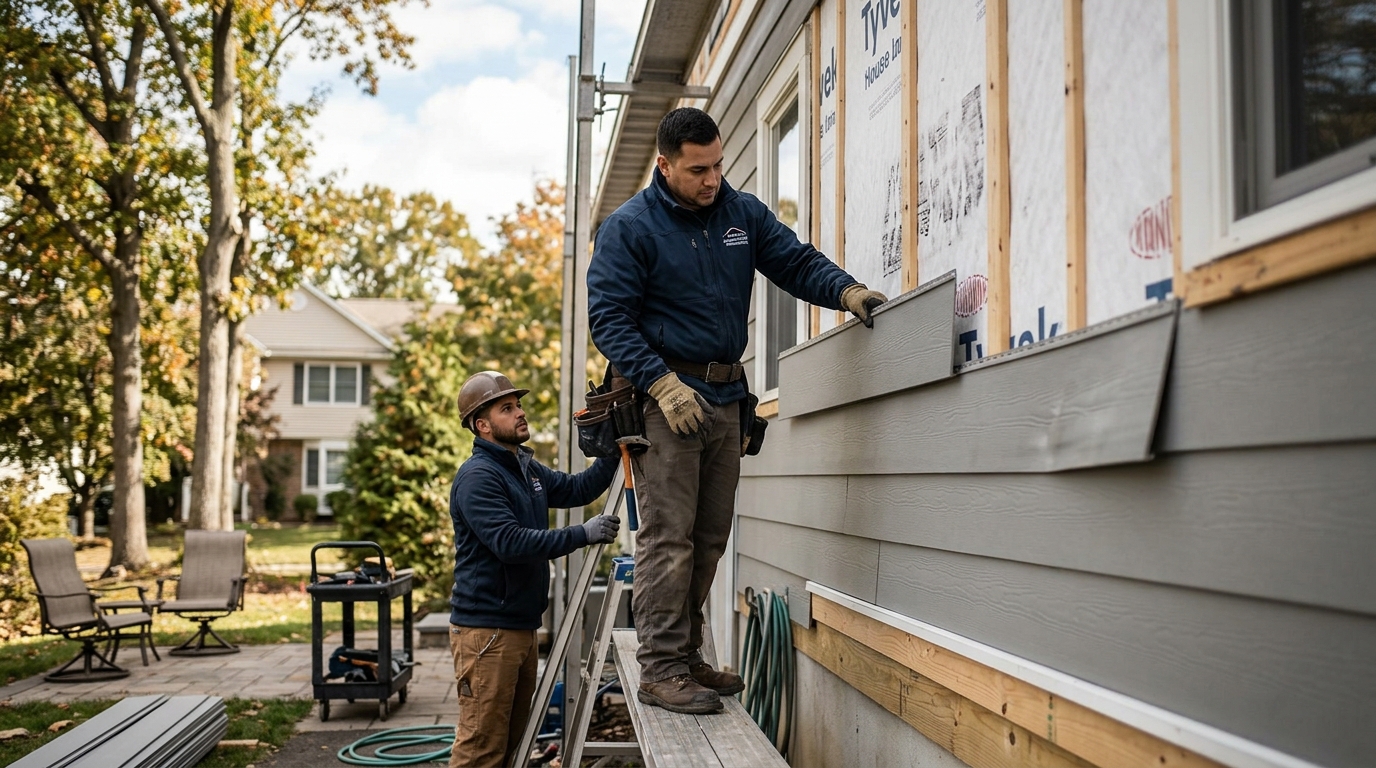
A weather-resistant barrier is the first line of defense against moisture intrusion. Many DIY projects or rushed contractor jobs skip this layer entirely. Without it, wind-driven rain penetrates the siding joints and saturates the sheathing. This moisture leads to rot, mold growth, and significant heat loss. Proper installation requires a continuous house wrap or felt paper that overlaps correctly. This layer allows the wall to breathe while blocking liquid water. American Home Remodeling ensures every project includes this essential component to protect your investment.
Weather barrier is a specialized membrane installed behind siding to prevent water infiltration while allowing vapor to escape. This definition underscores its dual function in moisture management. Ignoring this step voids many manufacturer warranties and compromises the home's structural longevity. Homeowners in Essex County and Bergen County often see accelerated decay when this layer is omitted. Professional installers inspect the sheathing for damage before applying the barrier. This meticulous process ensures a tight seal around windows and doors.
Insulation Gaps and Thermal Bridging
Thermal bridging occurs when heat flows directly through conductive materials like wood studs. This phenomenon bypasses the insulation, creating cold spots on interior walls. Siding installation must account for these gaps to maintain consistent indoor temperatures. Adding rigid foam insulation behind the siding can mitigate this effect significantly. However, improper placement of this foam creates new air leaks. The insulation must be cut precisely to fit around every electrical outlet and pipe penetration.
Thermal bridging is the transfer of heat through a building component that has higher thermal conductivity than the surrounding materials. This process reduces the overall R-value of the wall assembly. When siding is installed without addressing these bridges, energy bills spike during winter months. According to energy efficiency reports, proper insulation integration can reduce heat loss by 15 percent. This reduction translates to direct savings on utility bills for New Jersey residents. Our team uses advanced diagnostic tools to identify these gaps before siding goes up.
Flashing and Water Management Failures
Flashing directs water away from vulnerable areas like windows, doors, and roof intersections. Incorrect flashing installation is a leading cause of water damage behind siding. If flashing is not integrated correctly with the weather barrier, water pools and seeps inward. This pooling leads to rot in the framing and sheathing over time. Proper flashing requires overlapping layers that shed water outward, never inward. Each piece must be sealed with high-quality caulk or tape designed for exterior use.
Flashing is a thin material, usually metal or waterproof membrane, used to prevent water entry at joints and intersections. This definition highlights its role in directing water away from the structure. In New Jersey's heavy rain seasons, failed flashing leads to costly interior repairs. Data shows that water damage is one of the most common reasons for premature siding replacement. We prioritize flashing details to ensure long-term durability. Our craftsmen inspect every joint for proper water shedding angles.
Ignoring Material Expansion and Contraction
Siding materials expand and contract with temperature changes. Vinyl siding, in particular, moves significantly in New Jersey's hot summers and cold winters. If installed too tightly, the siding will buckle, warp, or pull away from the house. This movement creates gaps that allow air and moisture infiltration. Proper installation requires leaving a specific gap at each fastener. The siding must be able to slide freely within the nailing flange.
Expansion joints are gaps left in siding installation to accommodate material movement due to temperature fluctuations. This definition explains the necessity of flexibility in rigid materials. Ignoring these gaps leads to cosmetic damage that quickly becomes functional failure. Buckled siding exposes the underlying structure to the elements. Our installers calculate expansion rates based on the specific material and local climate data. This precision prevents the need for premature repairs or replacements.
Sealing and Joint Misalignment
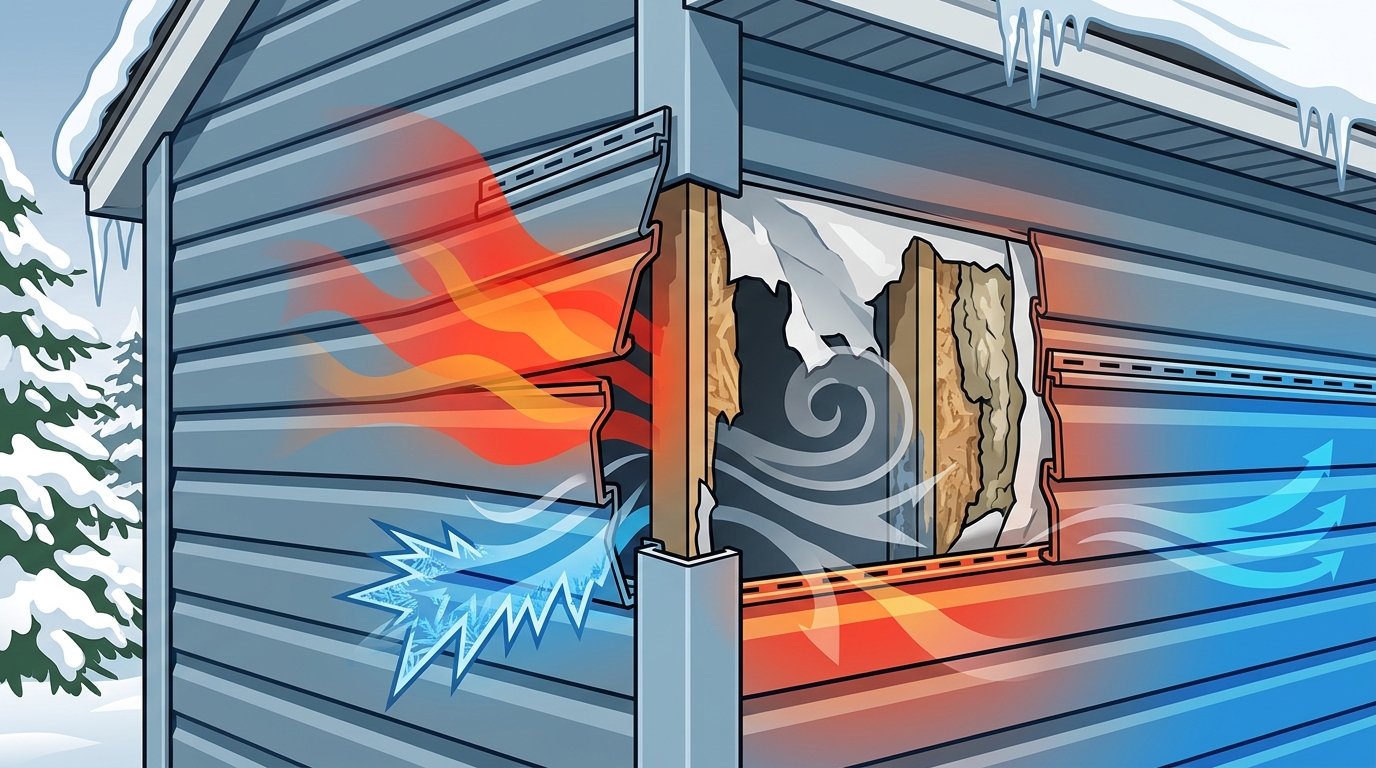
Sealing errors occur when caulk is applied incorrectly or omitted where needed. Gaps between siding panels and trim allow air leakage. This leakage forces HVAC systems to work harder to maintain comfort. Proper sealing requires flexible, paintable caulk that adheres to both siding and trim materials. The caulk must be applied evenly without gaps or bubbles. Misaligned joints also trap moisture, leading to mold growth behind the siding.
Sealing is the process of closing gaps between siding components to prevent air and water infiltration. This definition emphasizes the importance of a continuous barrier. Poor sealing undermines the entire energy efficiency strategy of the installation. Homeowners often notice drafts near windows and doors when sealing is neglected. We use industry-standard sealing techniques to ensure a tight, durable envelope. This attention to detail maximizes the lifespan of your siding system.
Choosing the Right Material for NJ Climate
Different siding materials perform differently under stress. Vinyl is cost-effective but requires careful handling for expansion. Fiber cement is durable but heavier, requiring robust support. Wood is aesthetically pleasing but demands regular maintenance. Choosing the wrong material for your home's specific needs can lead to efficiency losses. Our team helps you select the best option based on your budget and goals. We consider factors like durability, insulation value, and aesthetic appeal.
Material selection is the process of choosing siding based on durability, cost, and energy performance characteristics. This definition guides homeowners toward informed decisions. In New Jersey, fiber cement and insulated vinyl are popular for their efficiency. These materials offer superior resistance to moisture and temperature extremes. We provide transparent comparisons to help you make the best choice. Our expertise ensures your siding enhances your home's value and comfort.
Key Takeaways
- Improper siding installation can increase energy costs by up to 25 percent annually.
- A continuous weather barrier is essential to prevent moisture intrusion and heat loss.
- Thermal bridging through studs reduces insulation effectiveness and creates cold spots.
- Flashing must be integrated correctly to direct water away from vulnerable areas.
- Expansion gaps are critical to prevent buckling and warping in temperature swings.
- Proper sealing prevents air leakage around windows, doors, and trim.
- Material choice impacts long-term durability and energy performance in NJ climates.
Frequently Asked Questions
How does siding affect my home's energy bill?
Siding acts as a primary barrier against outdoor temperatures. Poor installation creates air leaks that force HVAC systems to work harder. This increased workload directly raises energy consumption and costs.
What is the most common siding installation error?
Skipping the weather-resistant barrier is a frequent and costly mistake. This omission leaves the home vulnerable to moisture and air infiltration. It compromises the entire wall assembly's integrity.
Do I need insulation behind my siding?
Insulation behind siding significantly improves thermal performance. It reduces thermal bridging and creates a more consistent indoor temperature. This upgrade is highly recommended for New Jersey homes.
How often should siding be inspected for damage?
Annual inspections are recommended to catch minor issues early. Look for gaps, loose panels, or damaged flashing. Early detection prevents major repairs and maintains efficiency.
Can I install siding myself to save money?
DIY installation often leads to sealing and flashing errors. These mistakes can cost more to fix than professional installation. Expert installers ensure proper technique and material handling.
What is thermal bridging?
Thermal bridging is heat transfer through conductive materials like studs. It bypasses insulation and reduces overall wall efficiency. Addressing this requires careful insulation planning.
Why is flashing important for siding?
Flashing directs water away from joints and intersections. Without it, water pools and causes rot and mold. Proper flashing is critical for long-term durability.
How does expansion affect vinyl siding?
Vinyl expands and contracts with temperature changes. Without proper gaps, it can buckle or warp. This movement must be accommodated during installation.
Schedule Your Consultation
Avoid costly energy inefficiencies and structural damage by choosing expert installers. American Home Remodeling brings over 40 years of experience to every siding project in New Jersey. We ensure proper weather barriers, flashing, and insulation integration. Contact us today to schedule a consultation and protect your home. Visit our Contact Us page to get started. Explore our Siding Services for more details. Read our Customer Reviews to see our work. Learn more about our About Us philosophy. Check our Blog for more home improvement tips.